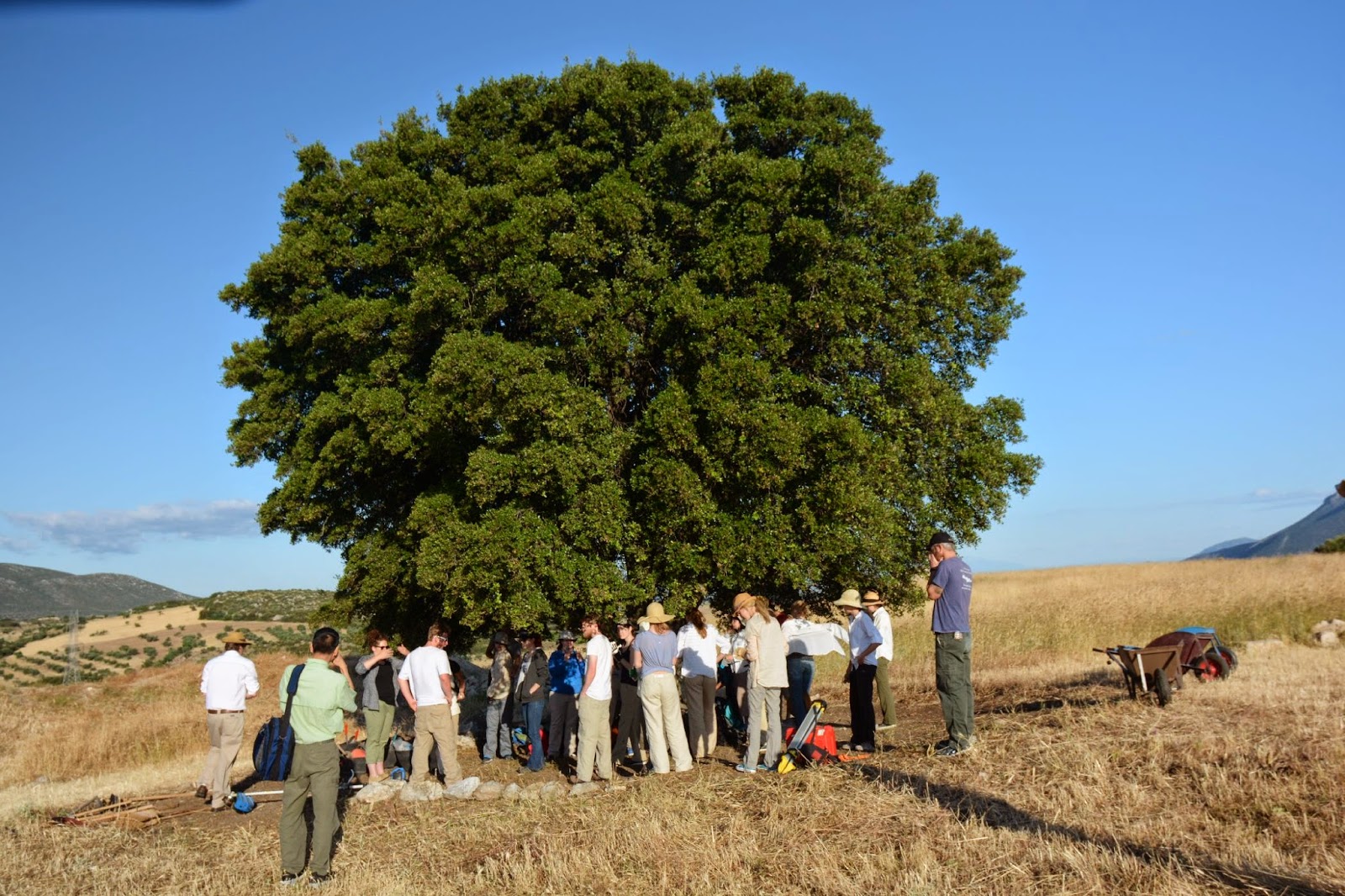
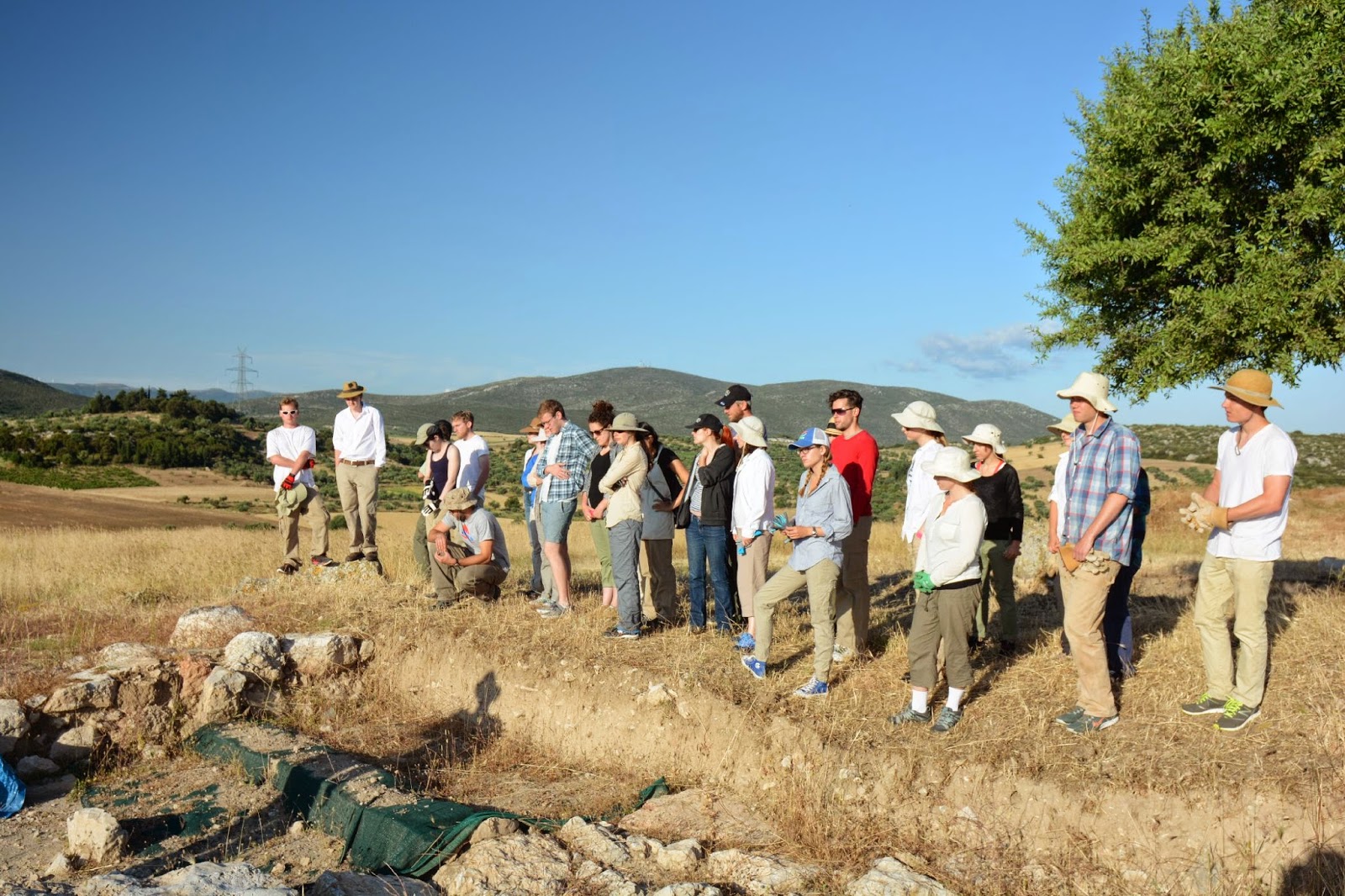

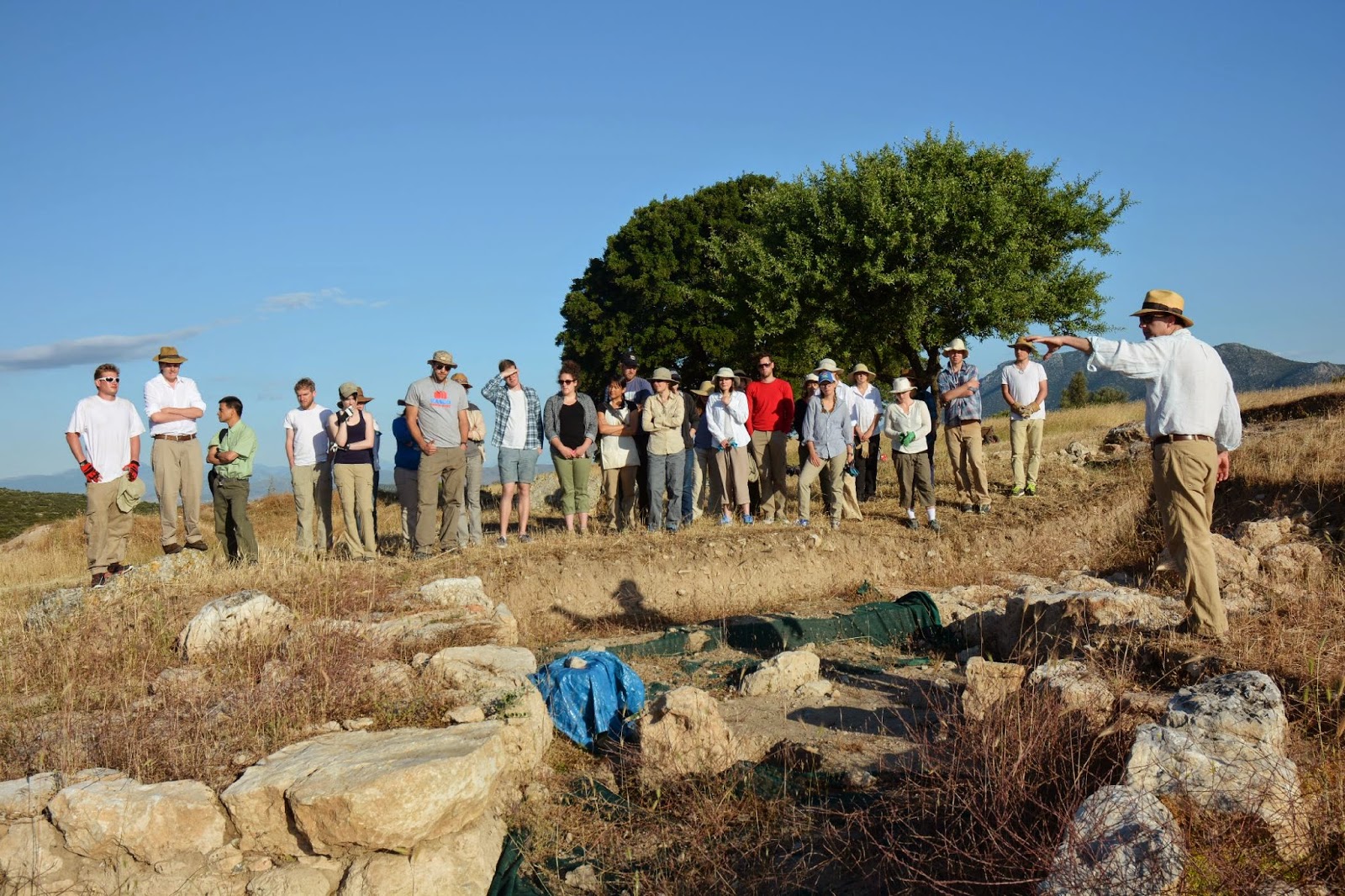
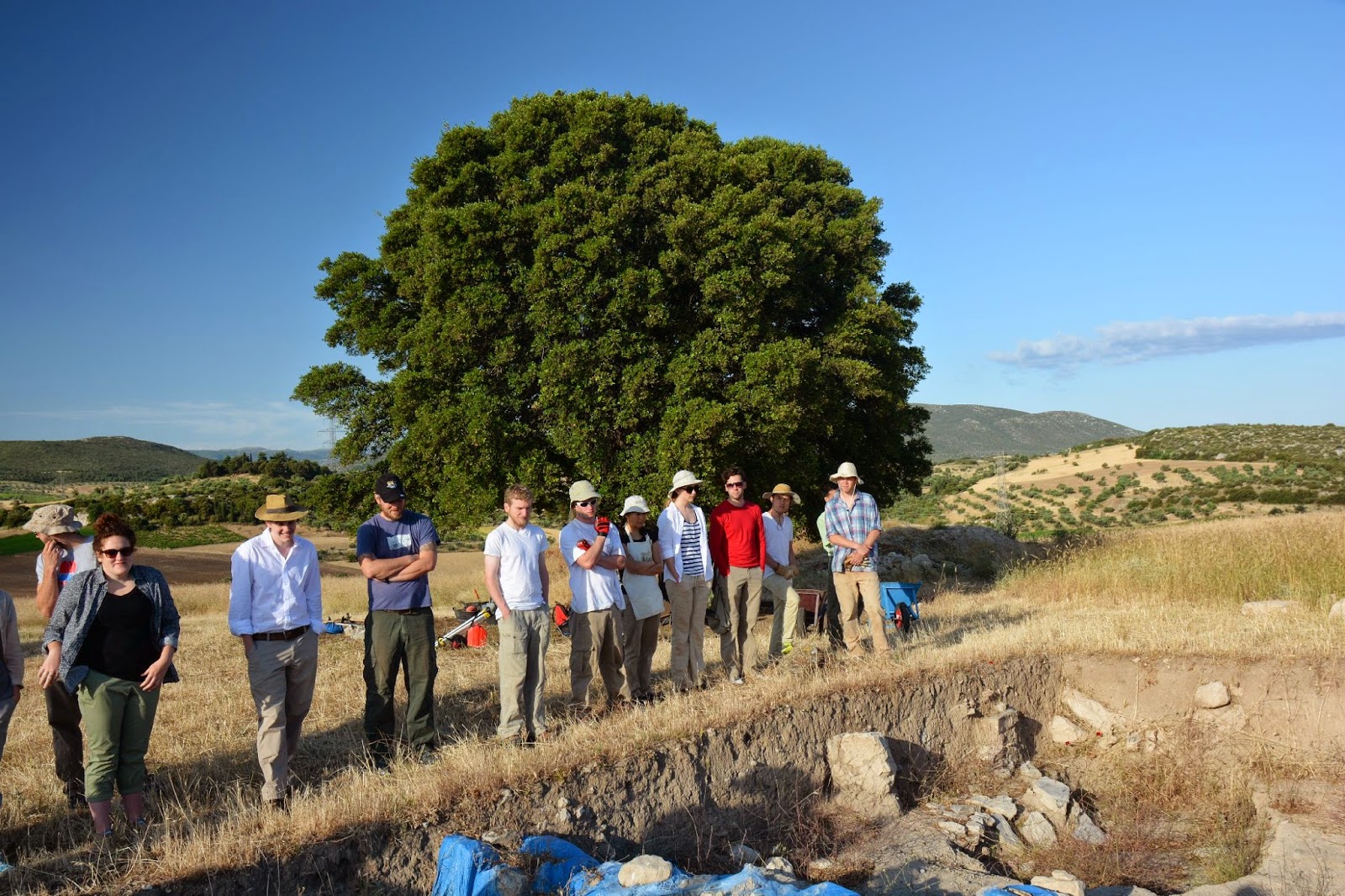
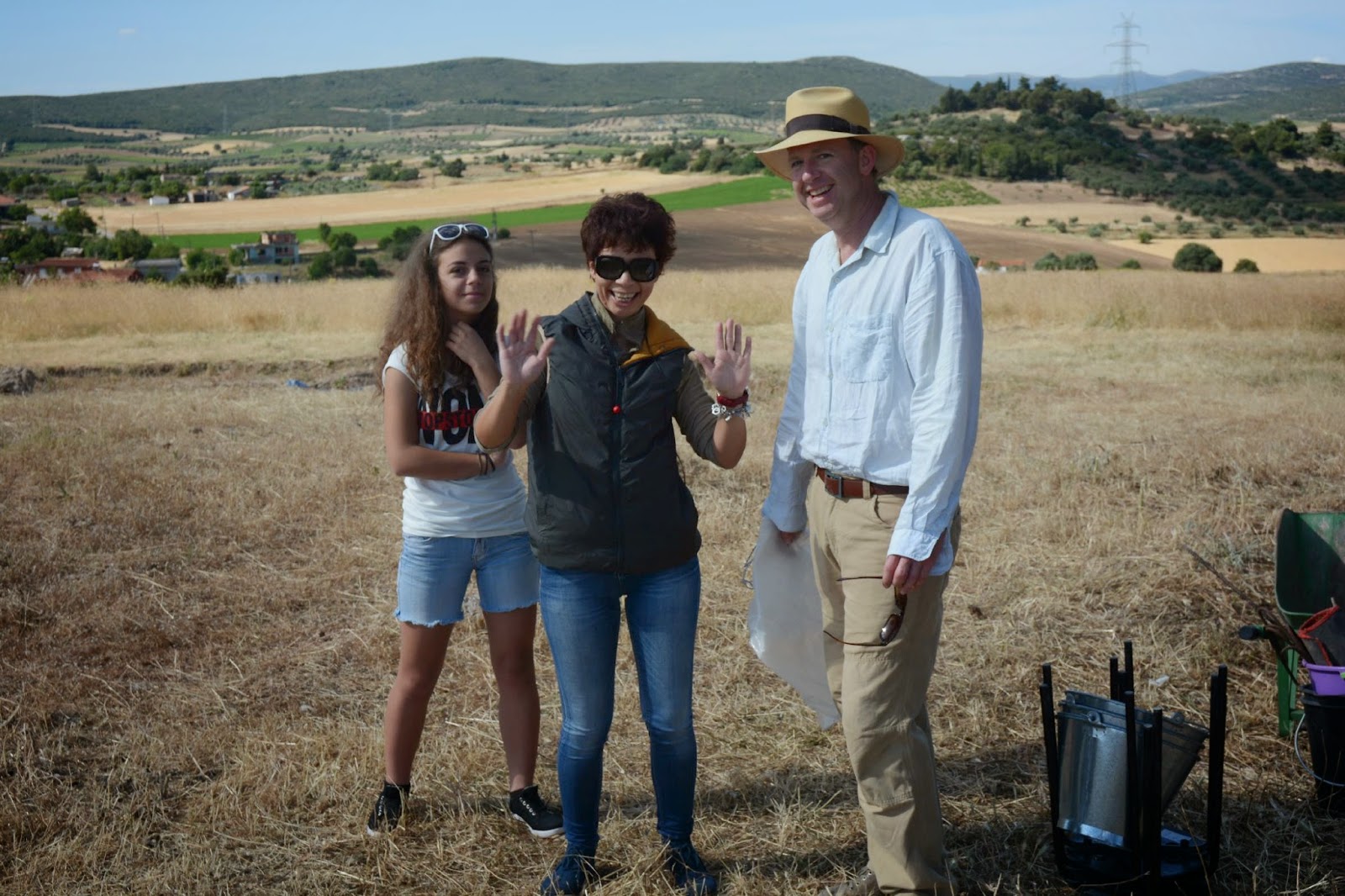
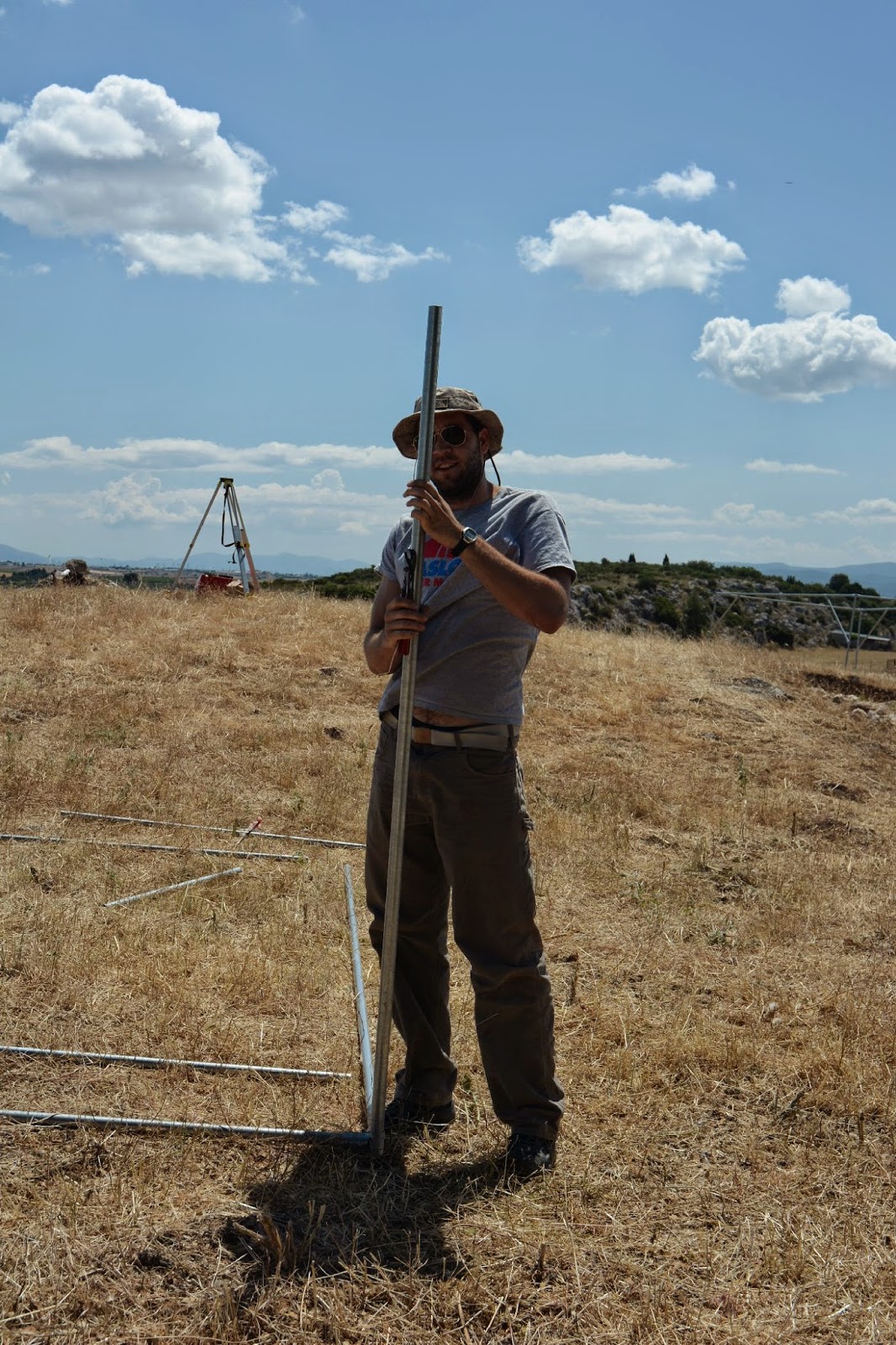
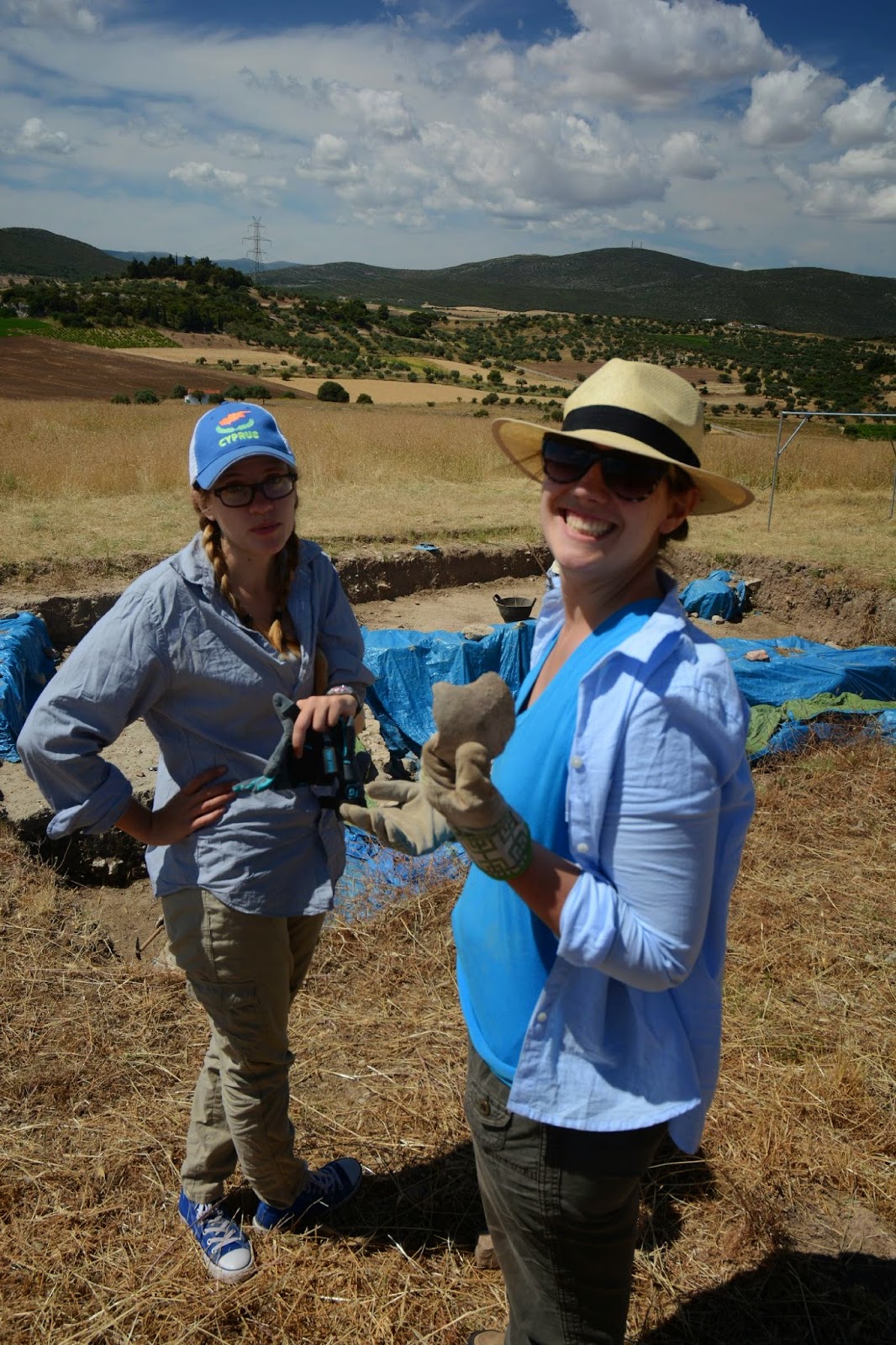
GREAT Day 1. More to come!
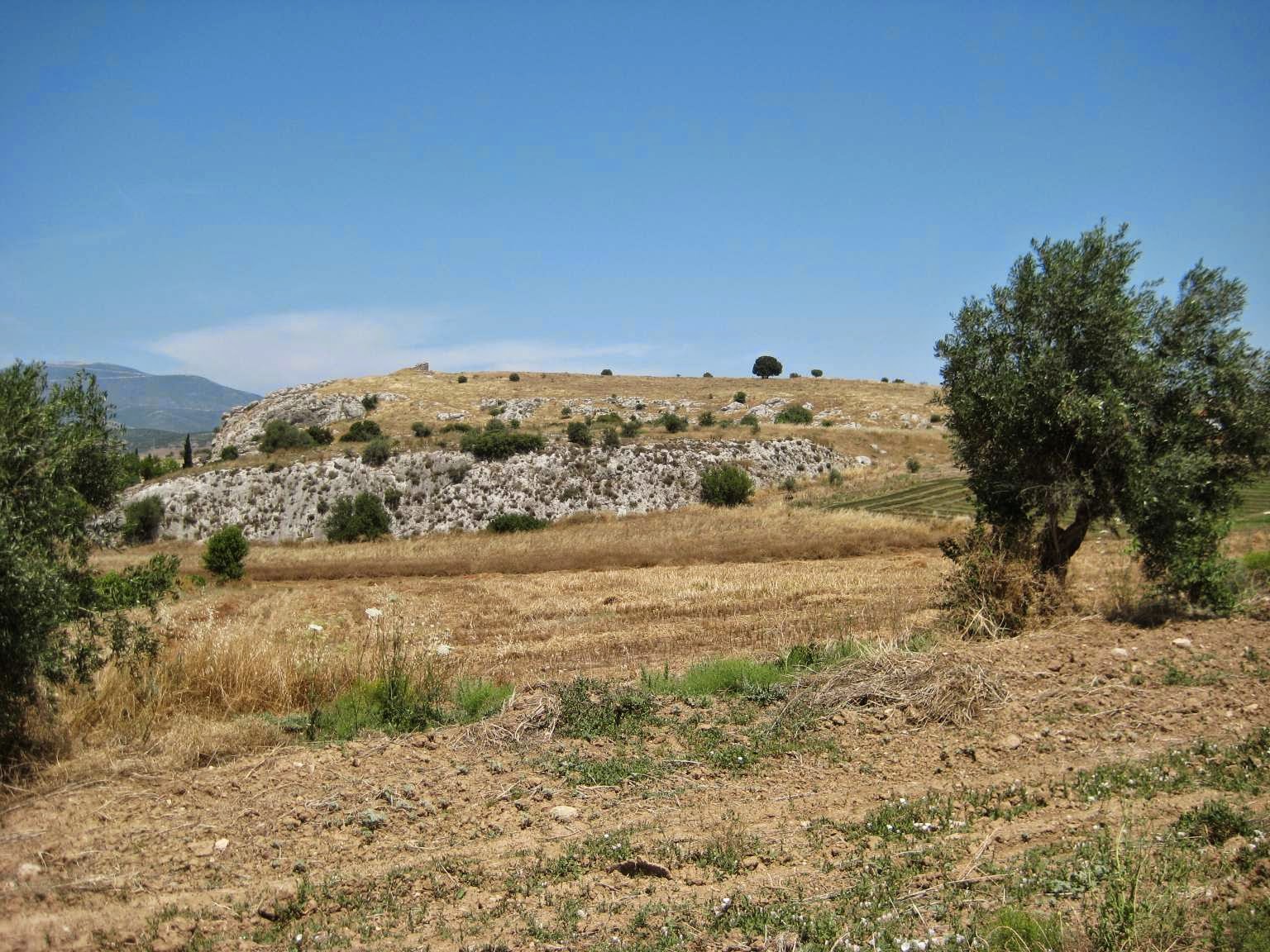

For more information on the excavation, including application material for the 2014 Field School, please visit this link: http://web.uvic.ca/~bburke/EBAP/
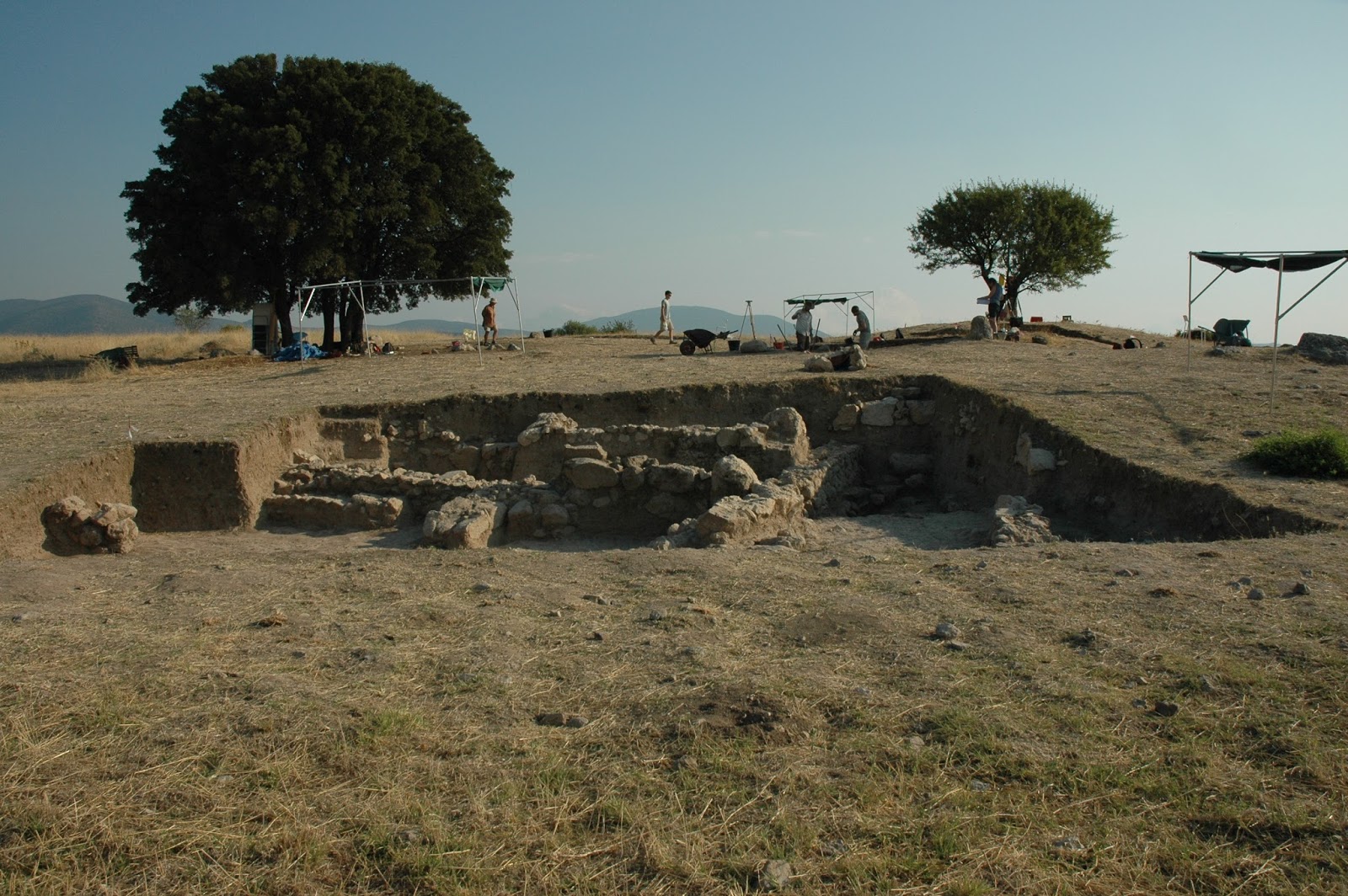

EBAP 2013 excavations have finished and I am sad but ready to be going home. This experience has been incredible and has open up another world for me. I had never been around so many people who know more than I do about classical history and culture. Being part of a project like this has been the most real trip for me because of my personal involvement. Traveling with a purpose is so much more meaningful. It is one thing to visit the ruined civilizations for a day, devoting all your energy for a month into uncovering them is another level of travel I’d like to get into more often.
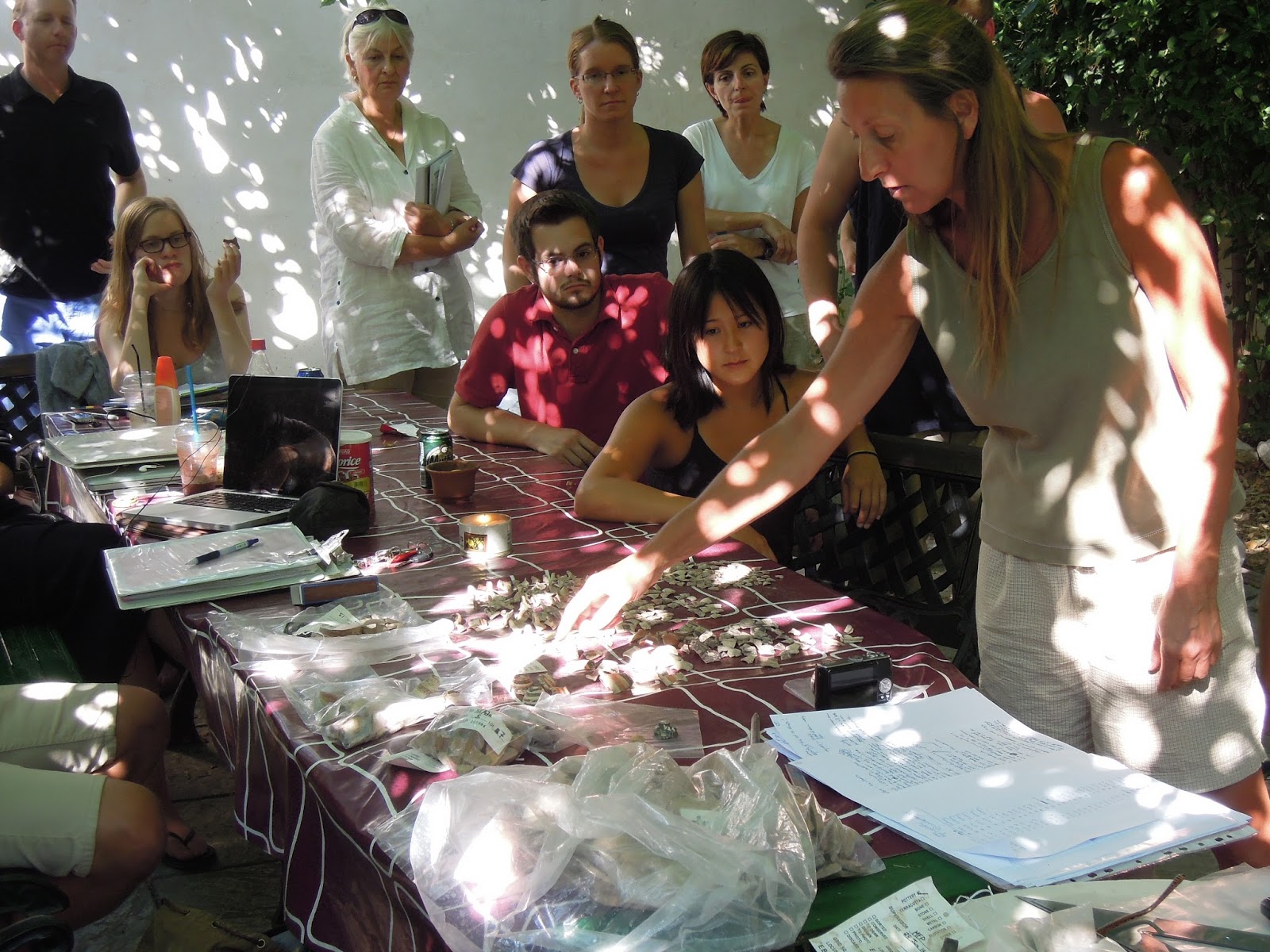
The last week I spent processing the pottery sherds by sorting, weighing, and tagging, which intimately acquainted me with the differing grades and quality of clay in the making of different types of pottery used for cooking, storage, or as a personal drinking cup for example. Other EBAPers were up at the site taking the precautions to preserve our work for continuation next season.
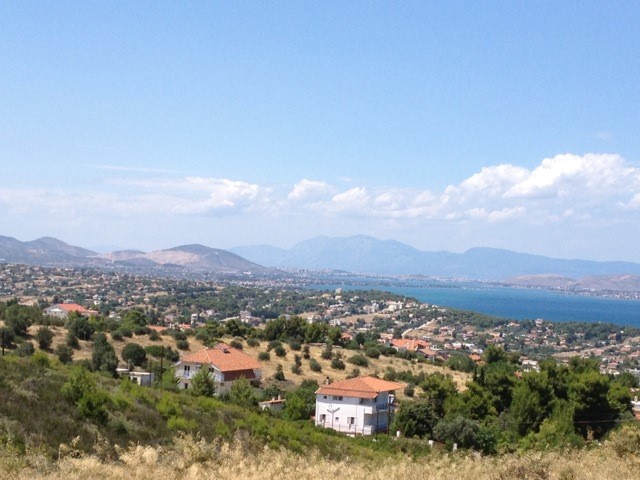
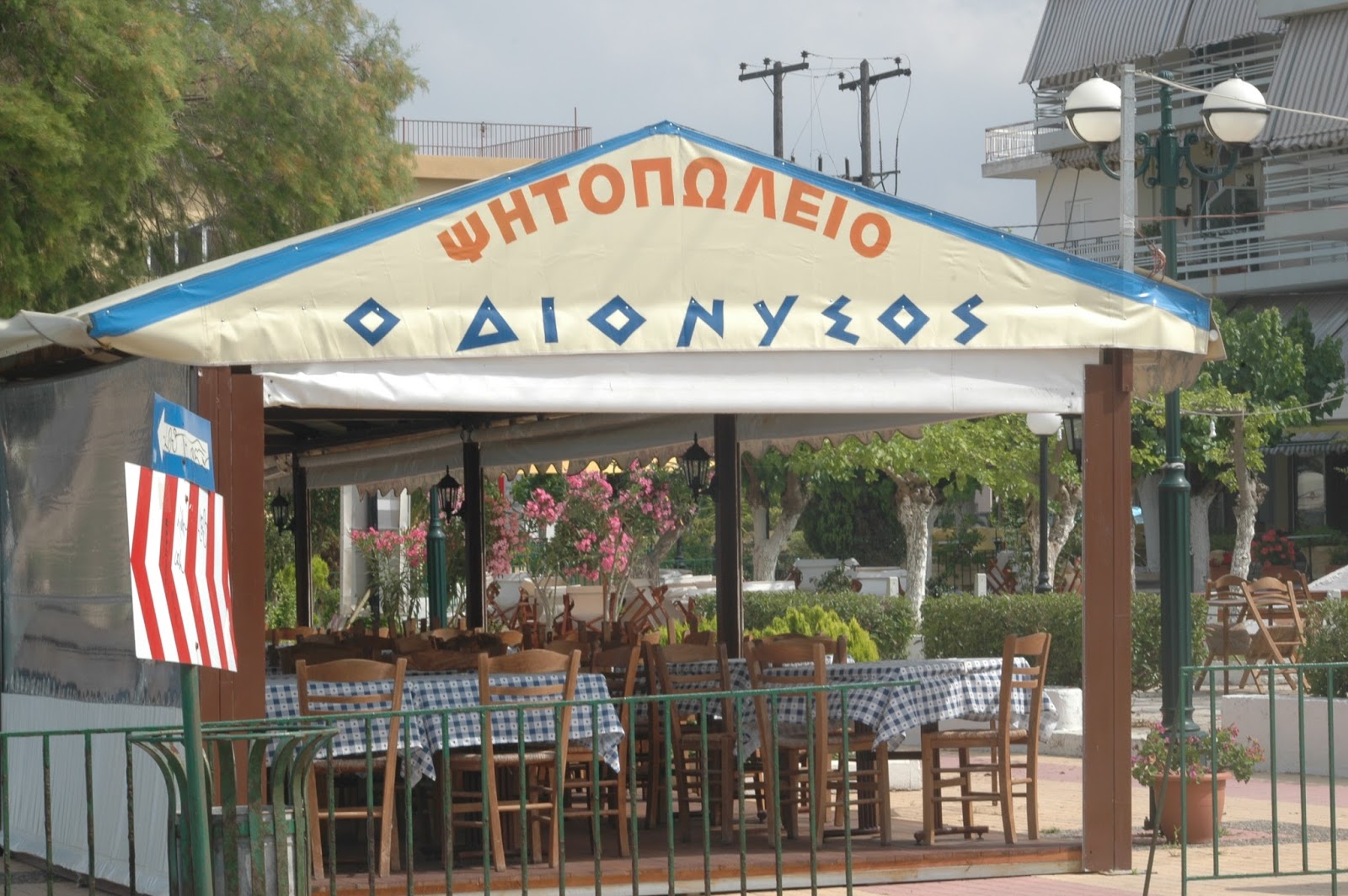
As I sleep on my flight home I expect to awaken on one of the cars driving back to Dilesi after hard work under the Boeotian sun. I still dream of the daily tasks that had to be done while living in Greece. I don’t know how I will go back to eating the tasteless North American food again. I will also miss the physical work that made the days so satisfying. I will surely be coming back to ancient Eleon next summer if I am able to get another chance. Thank you so much Brendan, Bryan and all the EBAPers for an unforgettable archaeological experience!
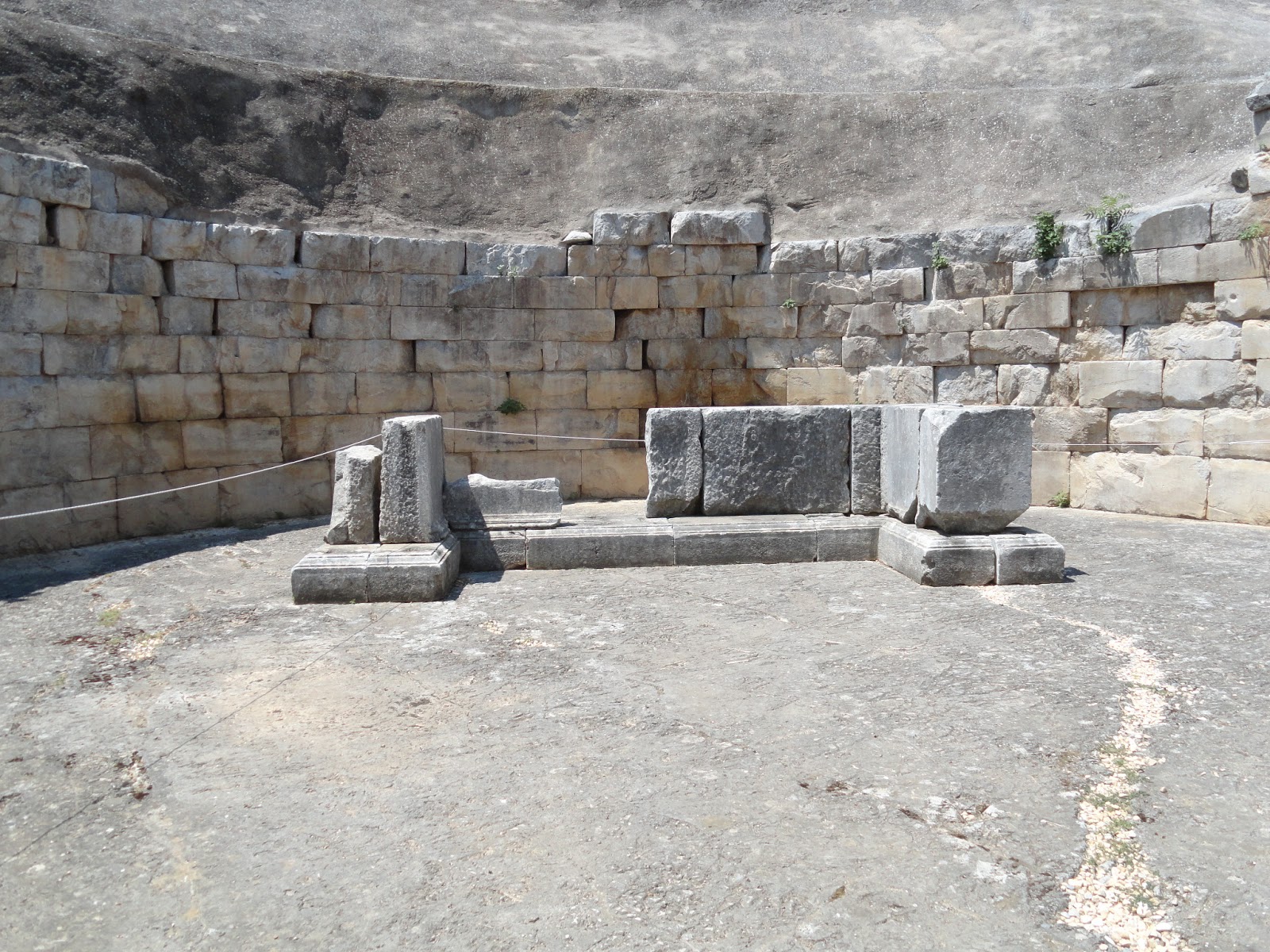 |
| The Tholos Tomb with a Roman altar |
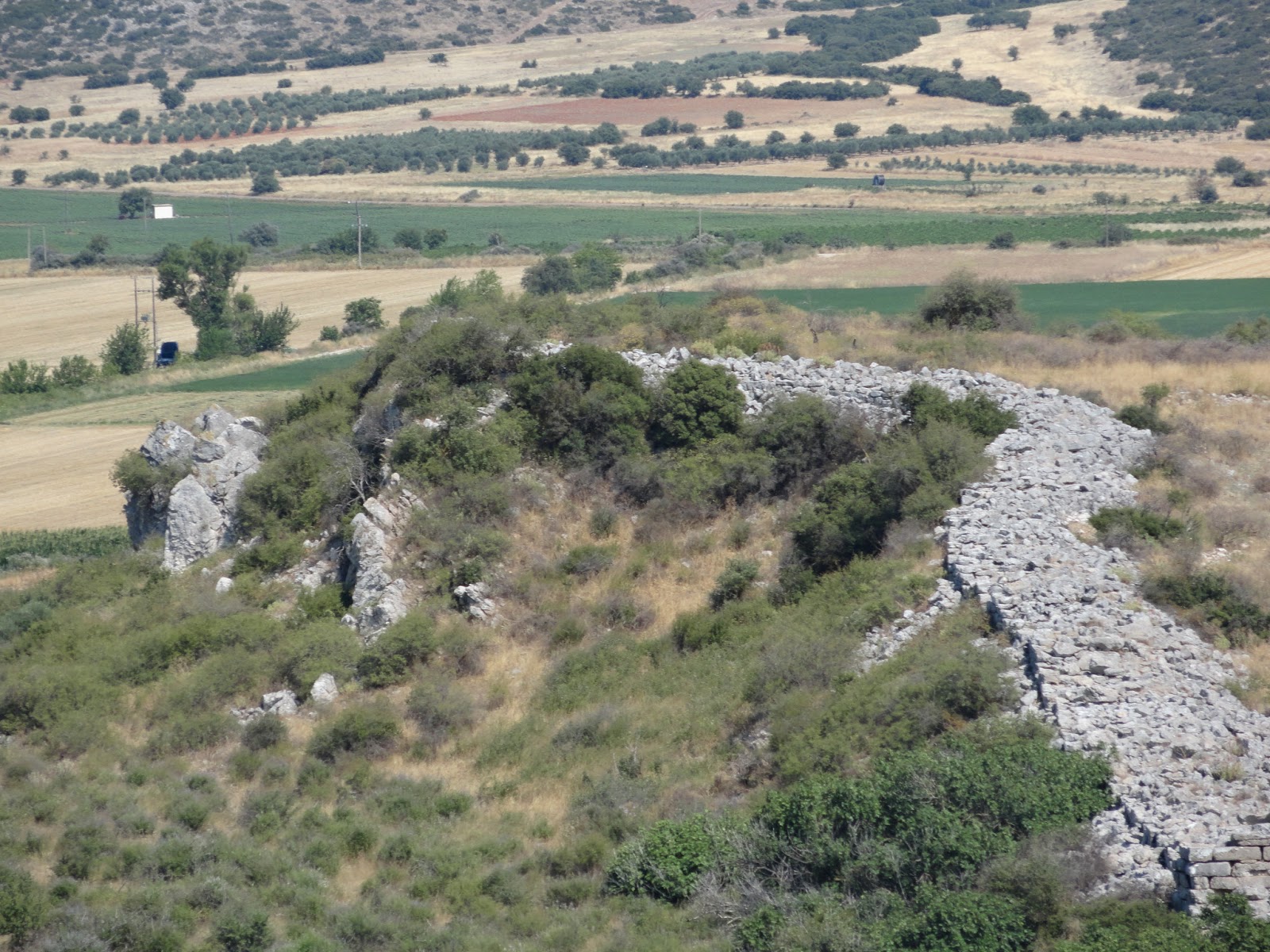 |
| The wall at Gla |
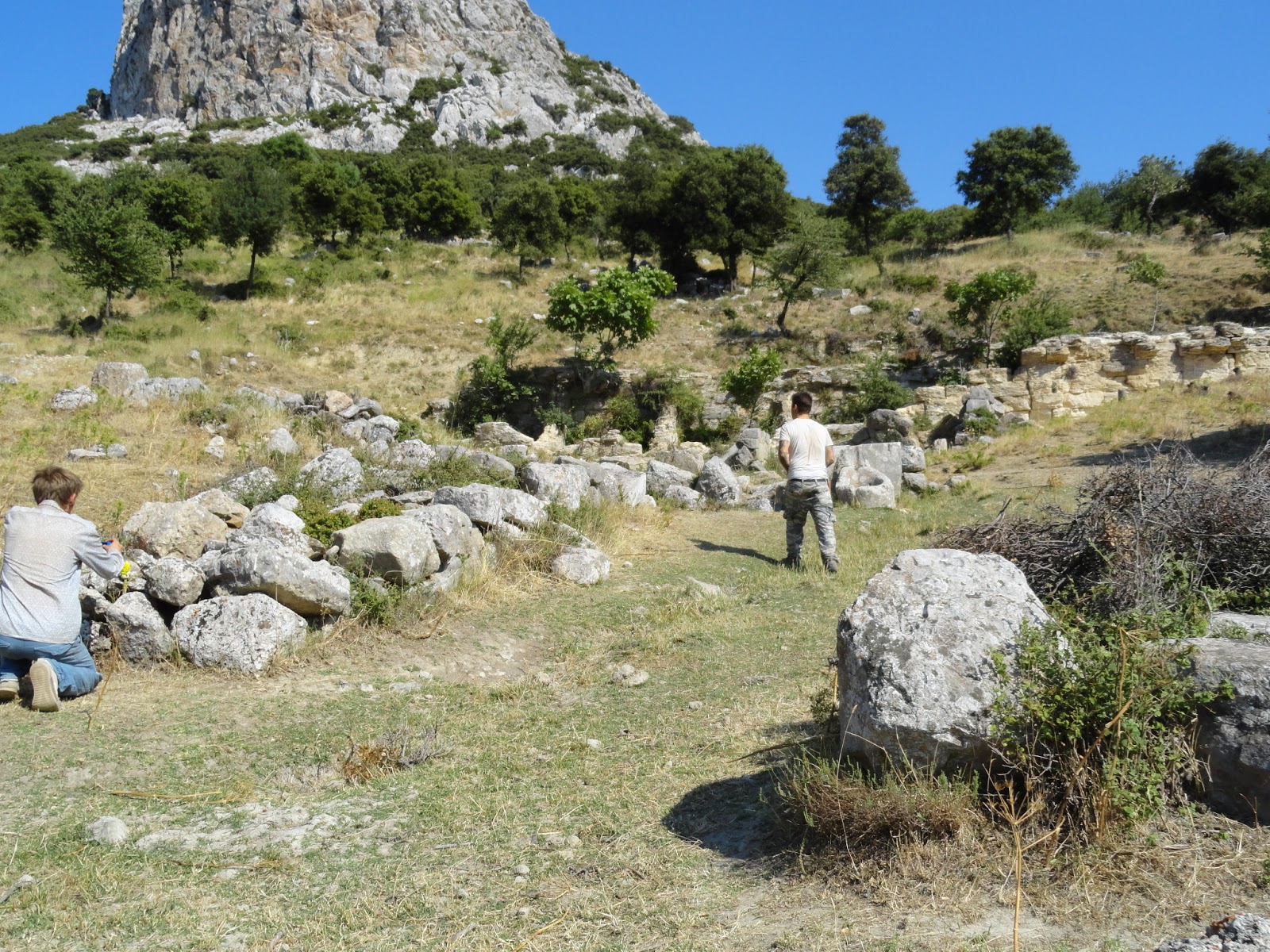 |
| Sanctuary of Apollo Ptoon |
The past four weeks have been very eventful. Each weekend has been wonderful and unique, the highlights are plenty, like visiting the museums, going to the opera, taking a ferry over to Euboea, climbing the Mycenae acropolis, or simply relaxing in the clearest, bluest sea water after a long walk under the blazing sun. There are not enough weekends to do everything. Although, seeing all these ancient remnants of magnificent cities at the sites and museums is not as stimulating as digging them up yourself. It is a fantastic thing to experience the satisfaction of finding something, slowly and carefully uncovering it, and finally being able to pull it out of the ground. The problem is the most fantastic artifacts are not so easily found as in a museum. And once found, does not usually come with the helpful plaque explaining what it is. So it is exciting to overhear the “purple ideas” as to what each significant find could be. Of course, not every object is a mystery, most, we are taught how to identify by type and timeframe. From what we have uncovered so far I am very impressed, Eleon was certainly no hamlet. I will have to remember to return 50 years from now, after many more seasons of study and excavation to see and learn, along with the tourists, the history we do not know yet.
Pottery: Pottery sherds are the most common find at ancient Eleon, and there is a lot of it. Pottery is a great way of dating a site, so it should be handled with as much care now as it would have all those years ago when it was being made. The first thing to do when pottery is present in a trench is to try to not break it with your pick. Whether you don’t see it at all or you see it at the last moment when your pick is about to hit the ground, that sherd with one ancient break can turn into many more little pieces. Sometimes, if youre lucky, a sherd many be buried next to its other pieces, so it can be a good idea to search around the immediate area. After you remove it from the ground, put it in a bucket that has been tagged with the appropriate locus and lot number. After you leave the site, brush the sherds with water and a toothbrush to get the dirt off. They will later be sorted into fine, medium, and coarse wear.
Terra cotta: Terra cotta finds need to be handled with more care than a pottery sherd. When you see one in the ground, brush around it and carefully remove. Then search the immediate area to see if any other pieces are present. Once it is out of the ground, cover it and keep out of sunlight and water because any remaining paint will be destroyed. Wrap it in Tyvek and place in a container. Do not put in a plastic bag because the heat will cause it to sweat. The wonderful ladies on the conservation team will then conserve the artifact from being destroyed after being removed from its micro environment. The dirt will be carefully scrapped off and any breaks will be mended with an adhesive.
Roof tiles: Roof tiles are generally not kept, but the trench supervisor will make note of its appearance by either weighing or counting them according to locus. Some coarse wear can often be confused as roof tiles, so it is useful to double check if you are unsure.
Bone: If a significant amount of bone is present in an area, it is put in the separate bag from pottery according to it’s locus and lot number. It will then be washed in a similar fashion as pottery and then identified. Bone is a useful find because it gives insight into which animals were once present at the site.
 EBAP Excavations