2013 – What a year!
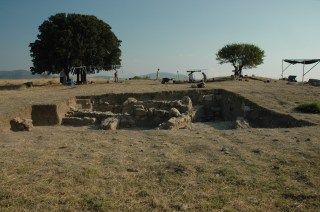
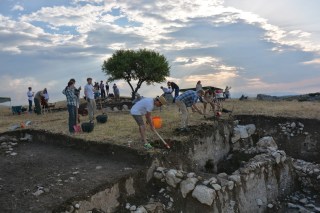
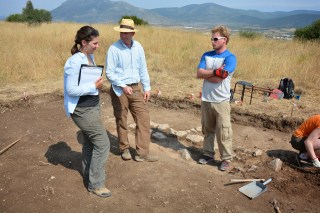
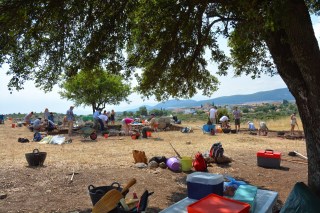
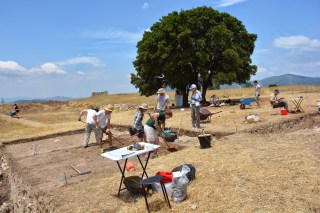
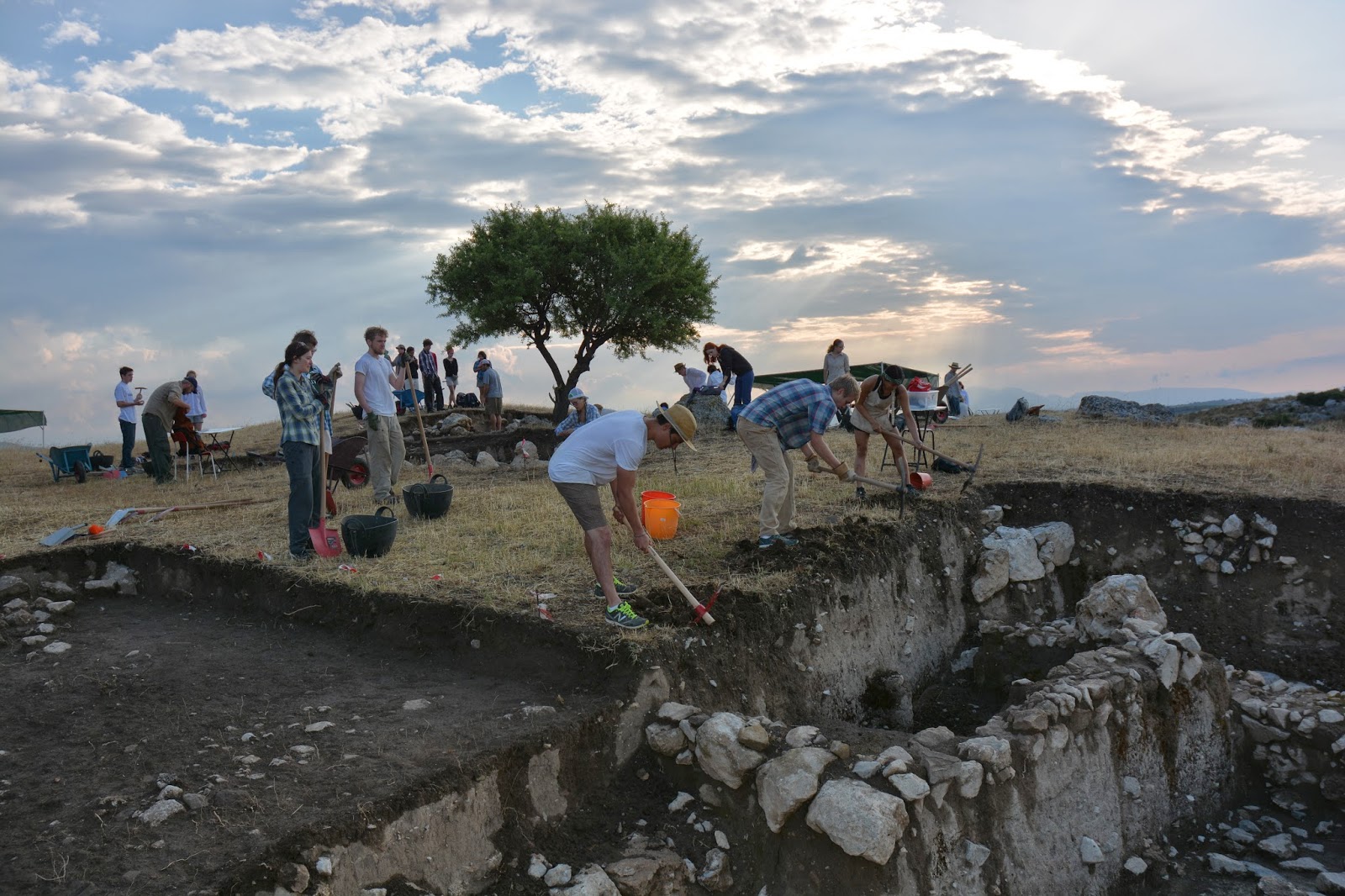
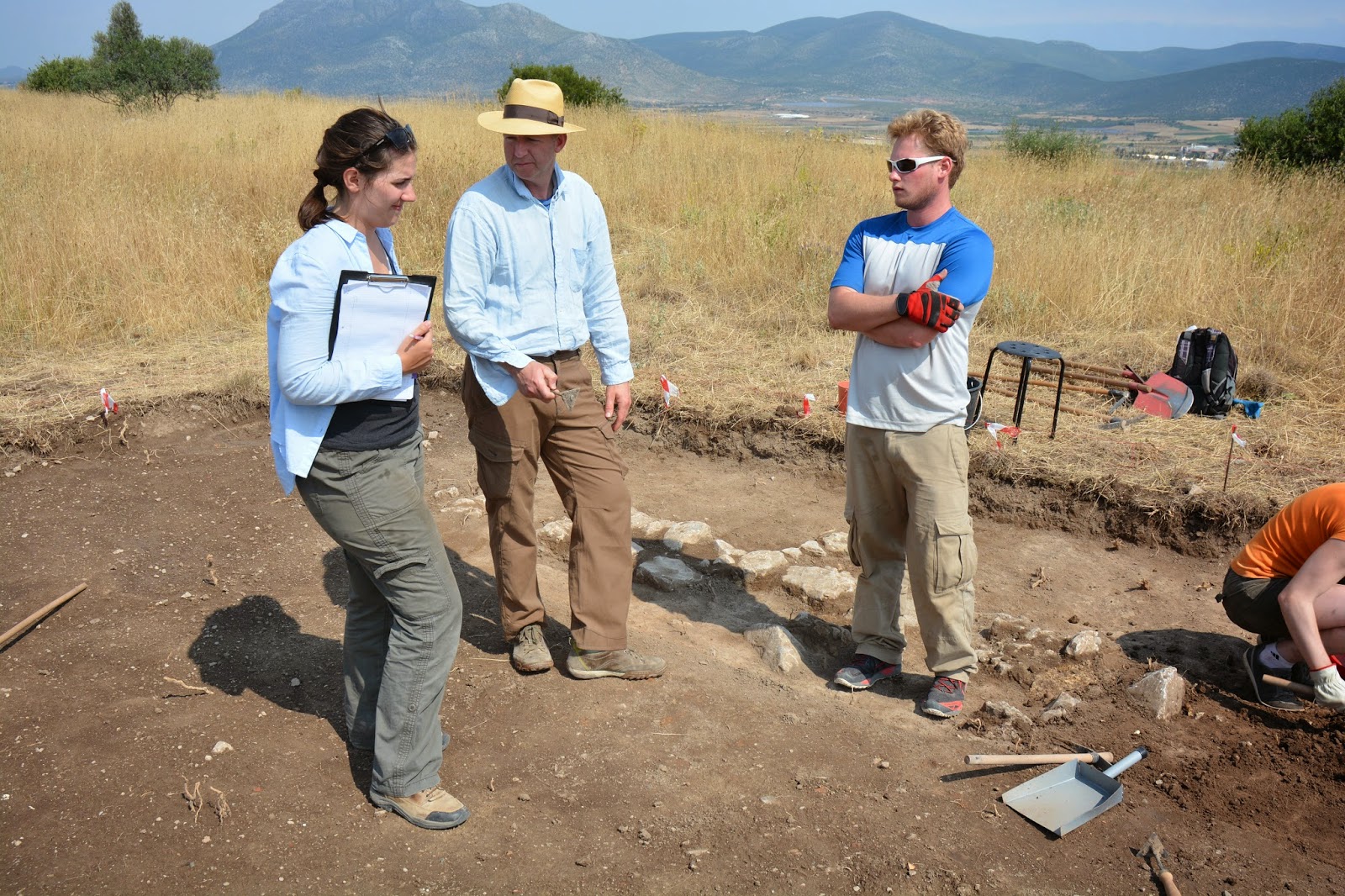
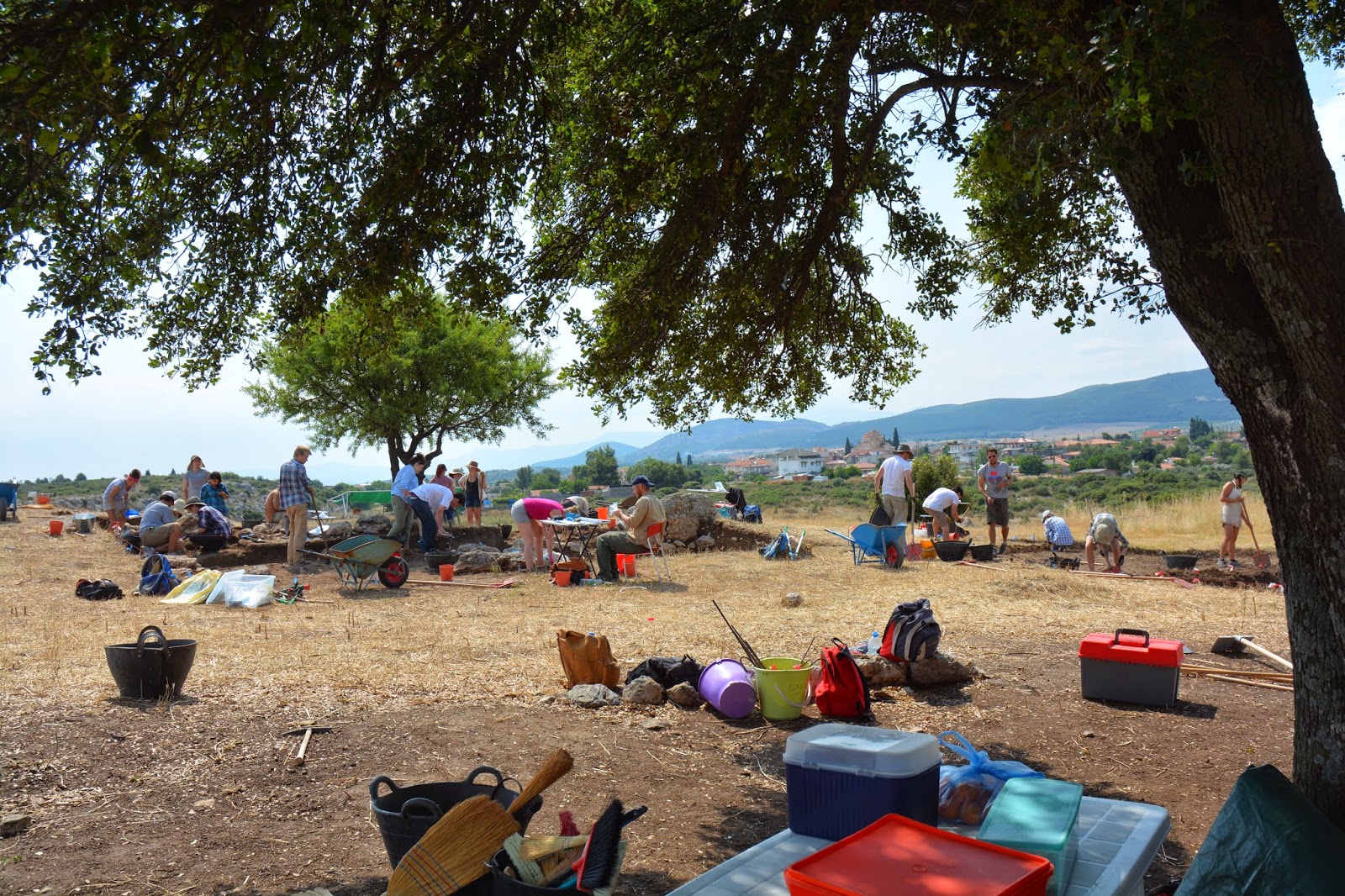
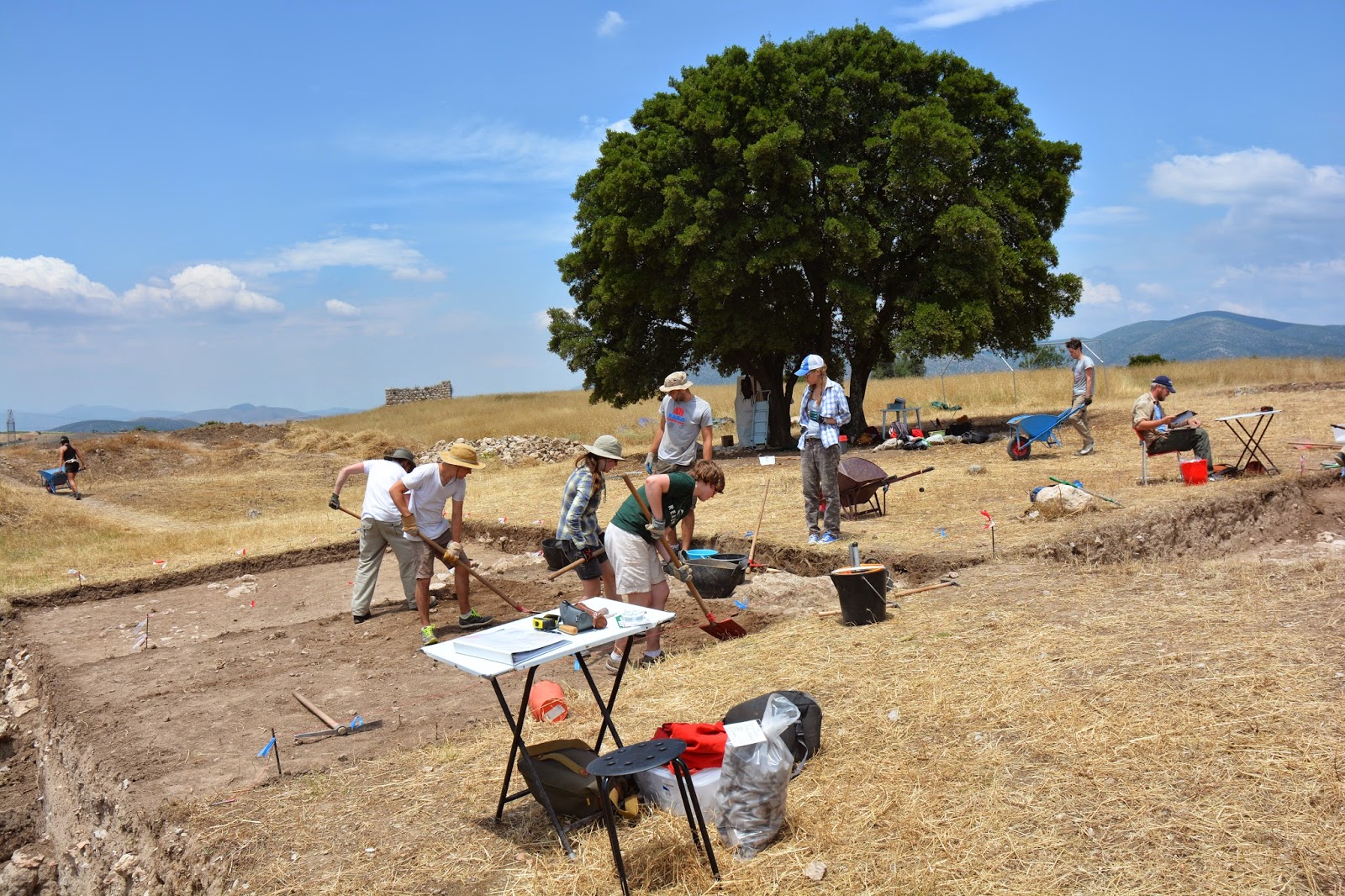
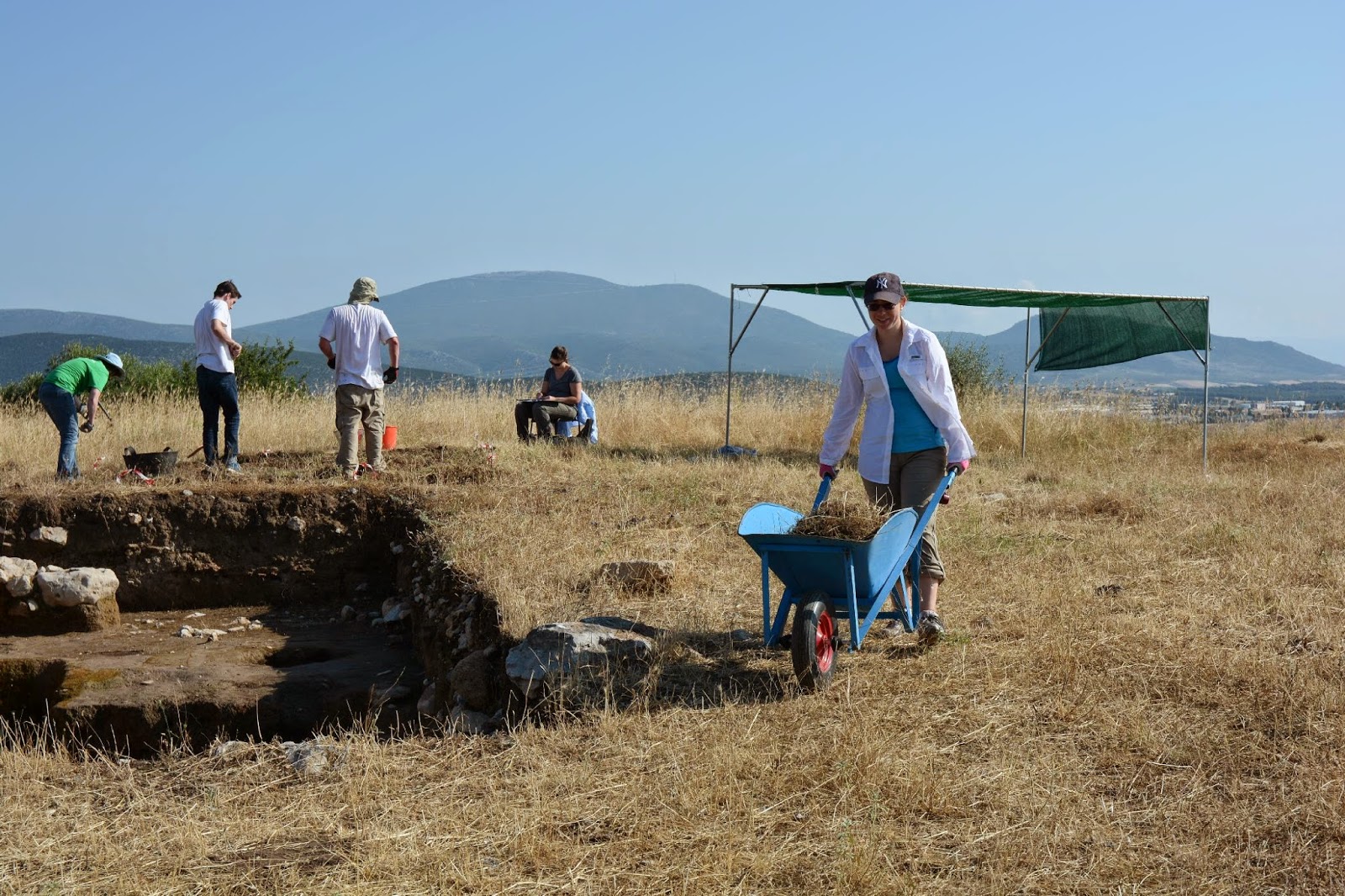
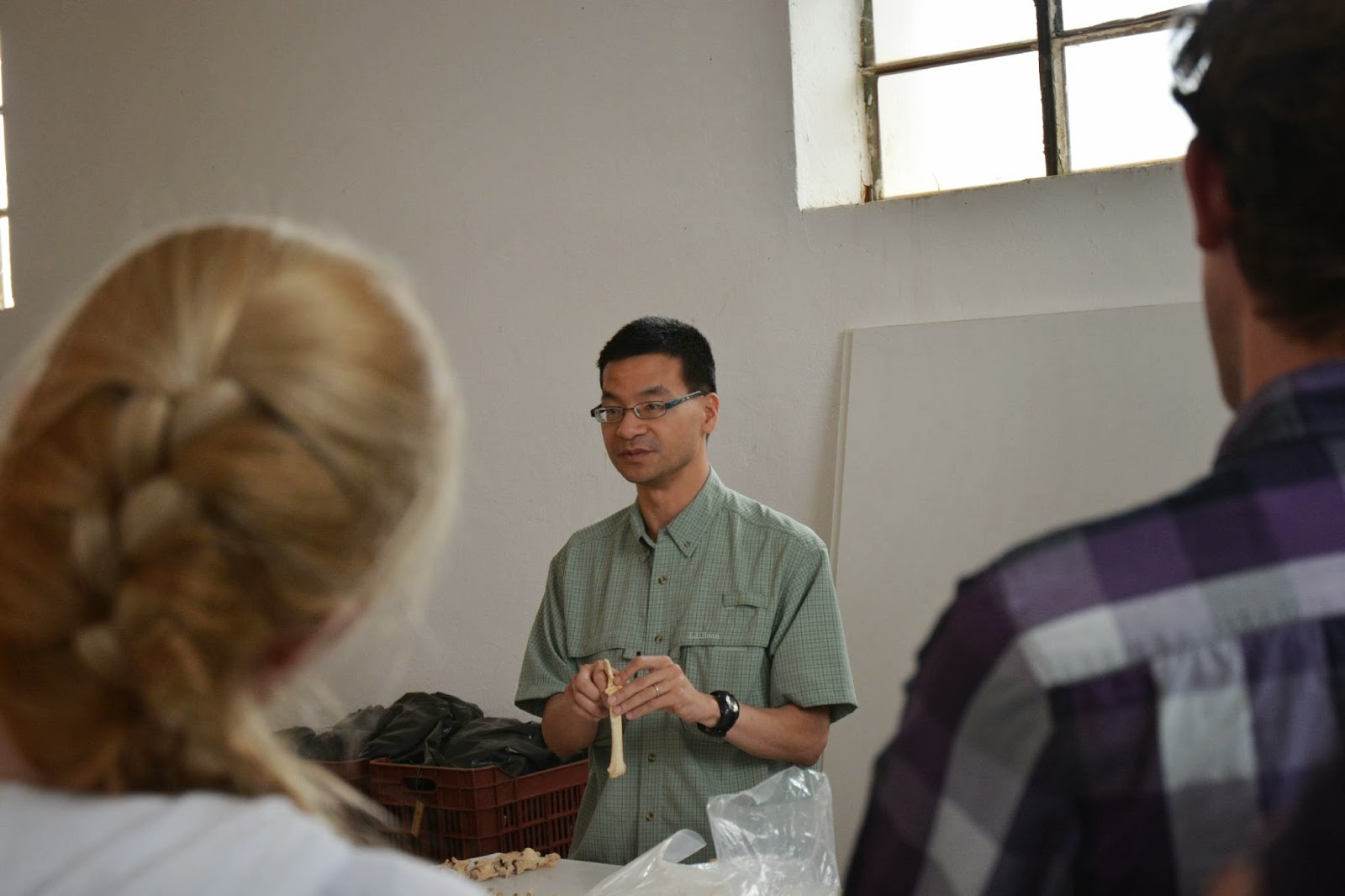
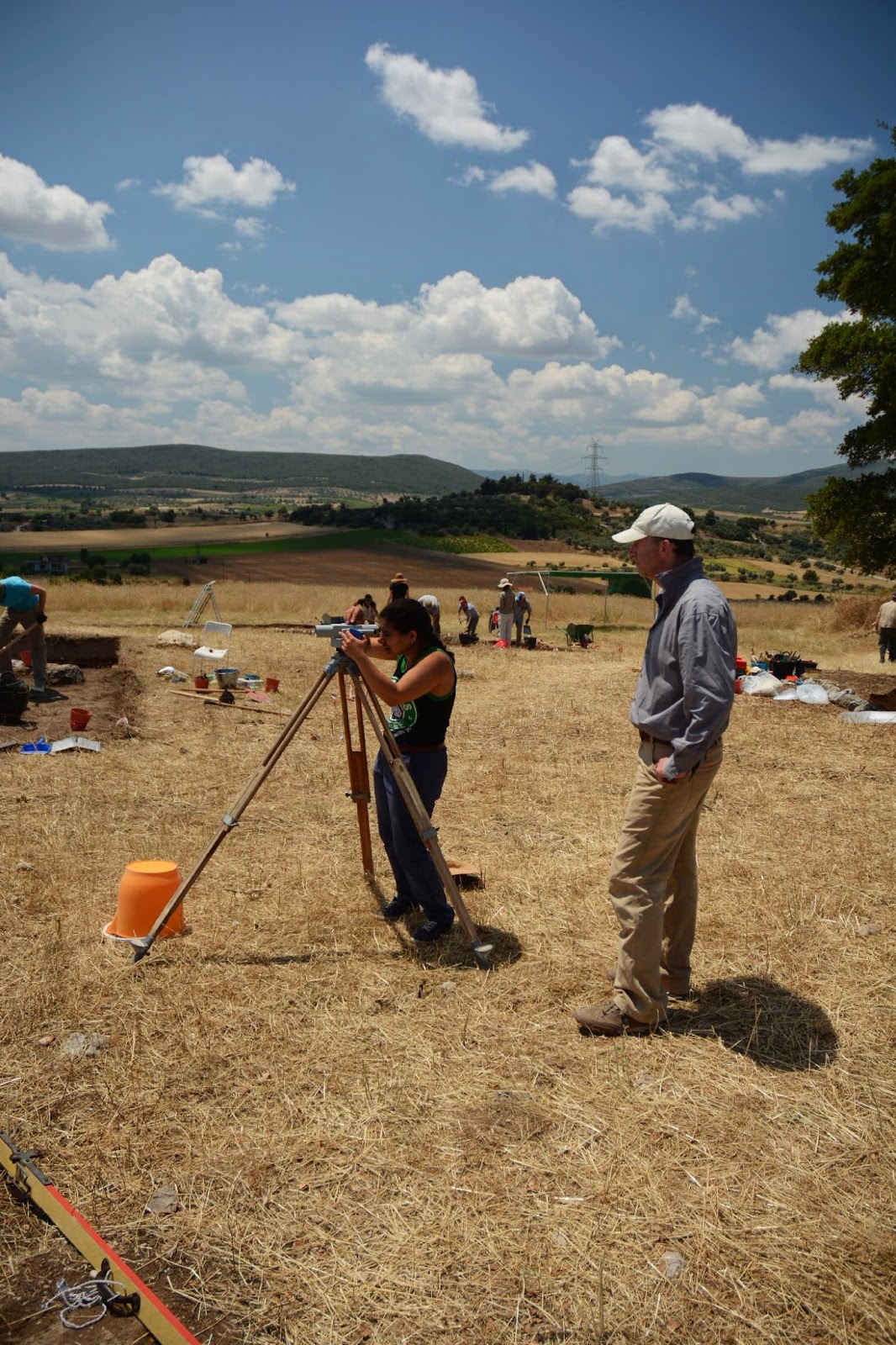
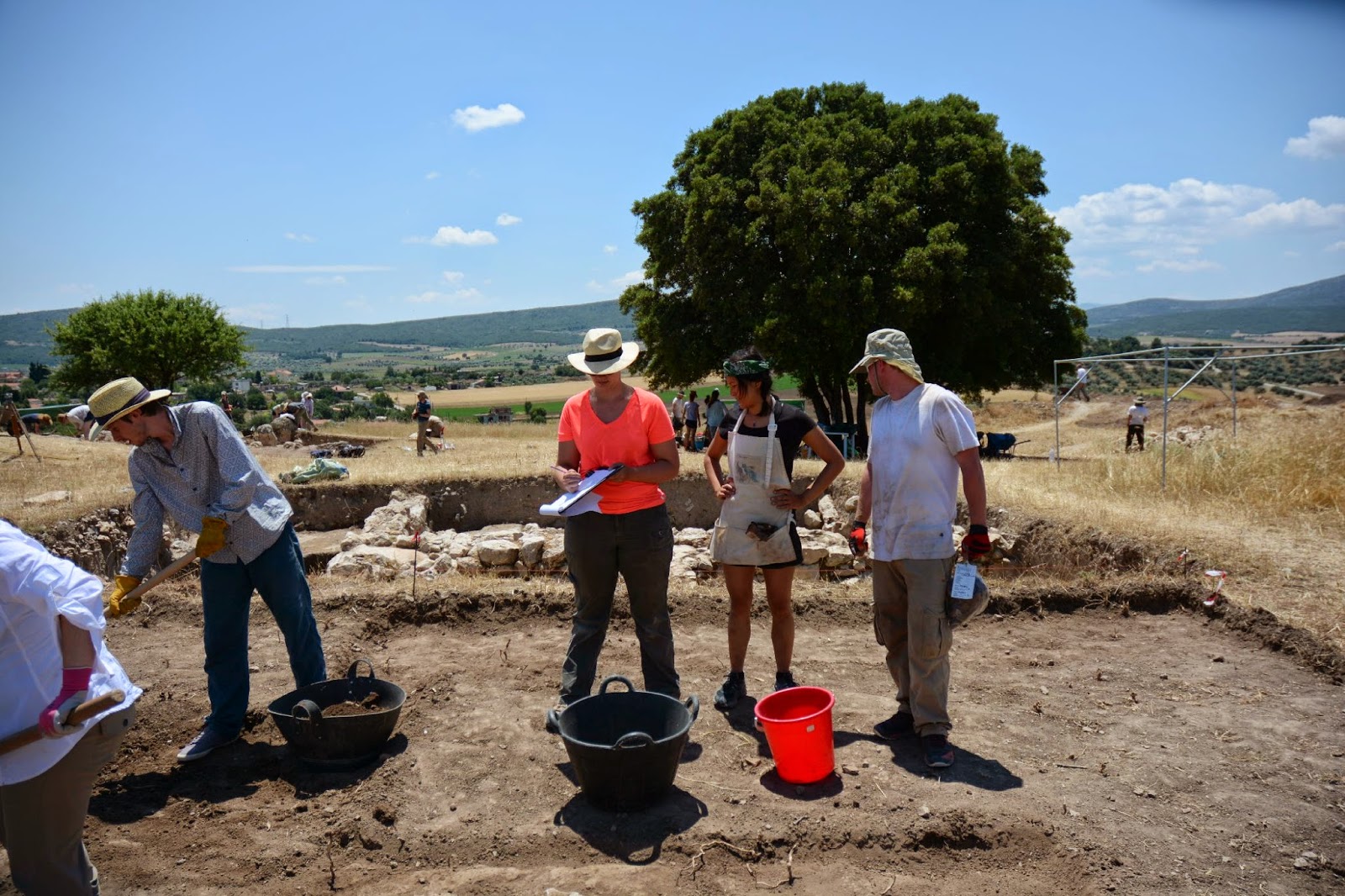
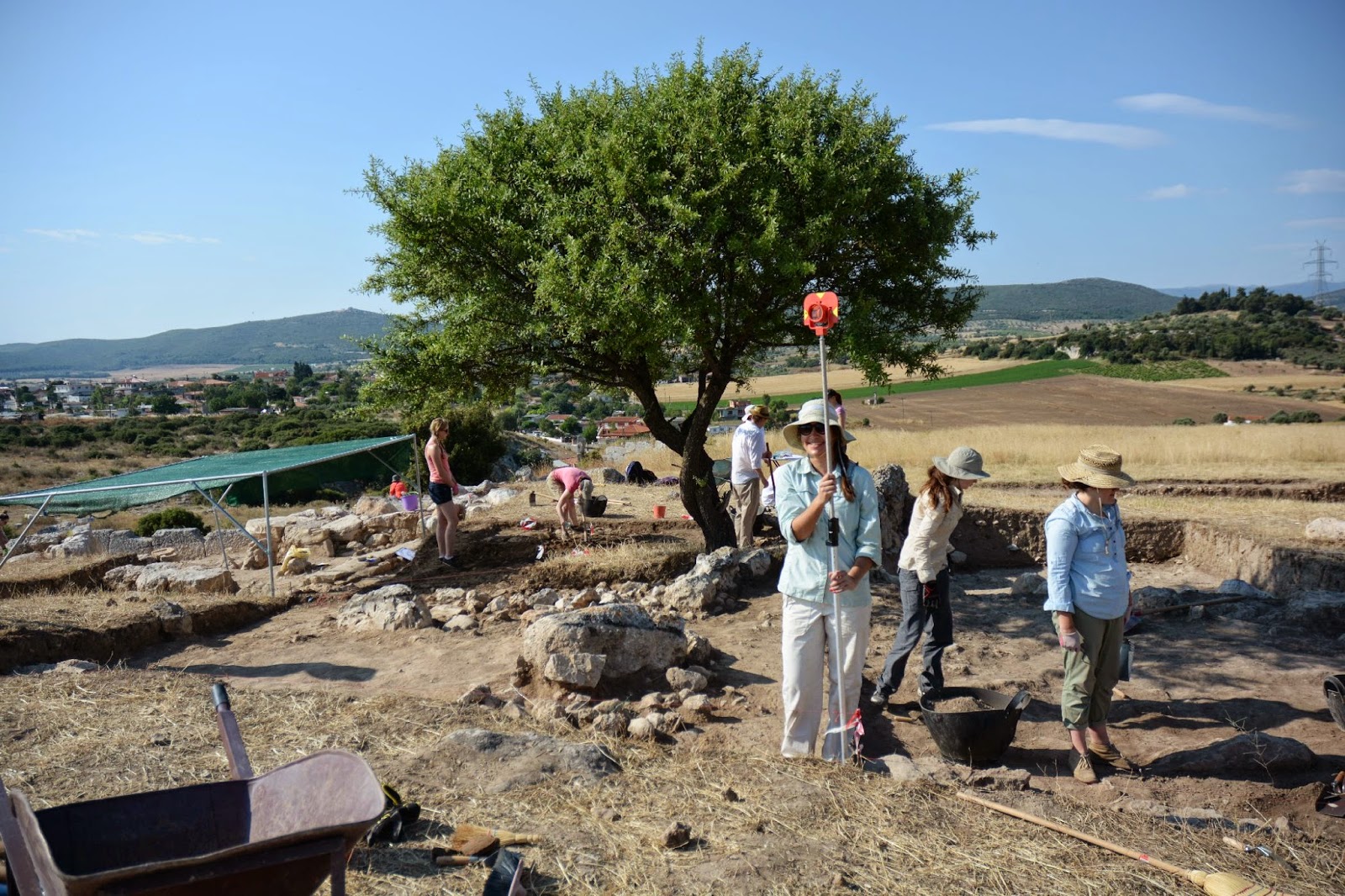
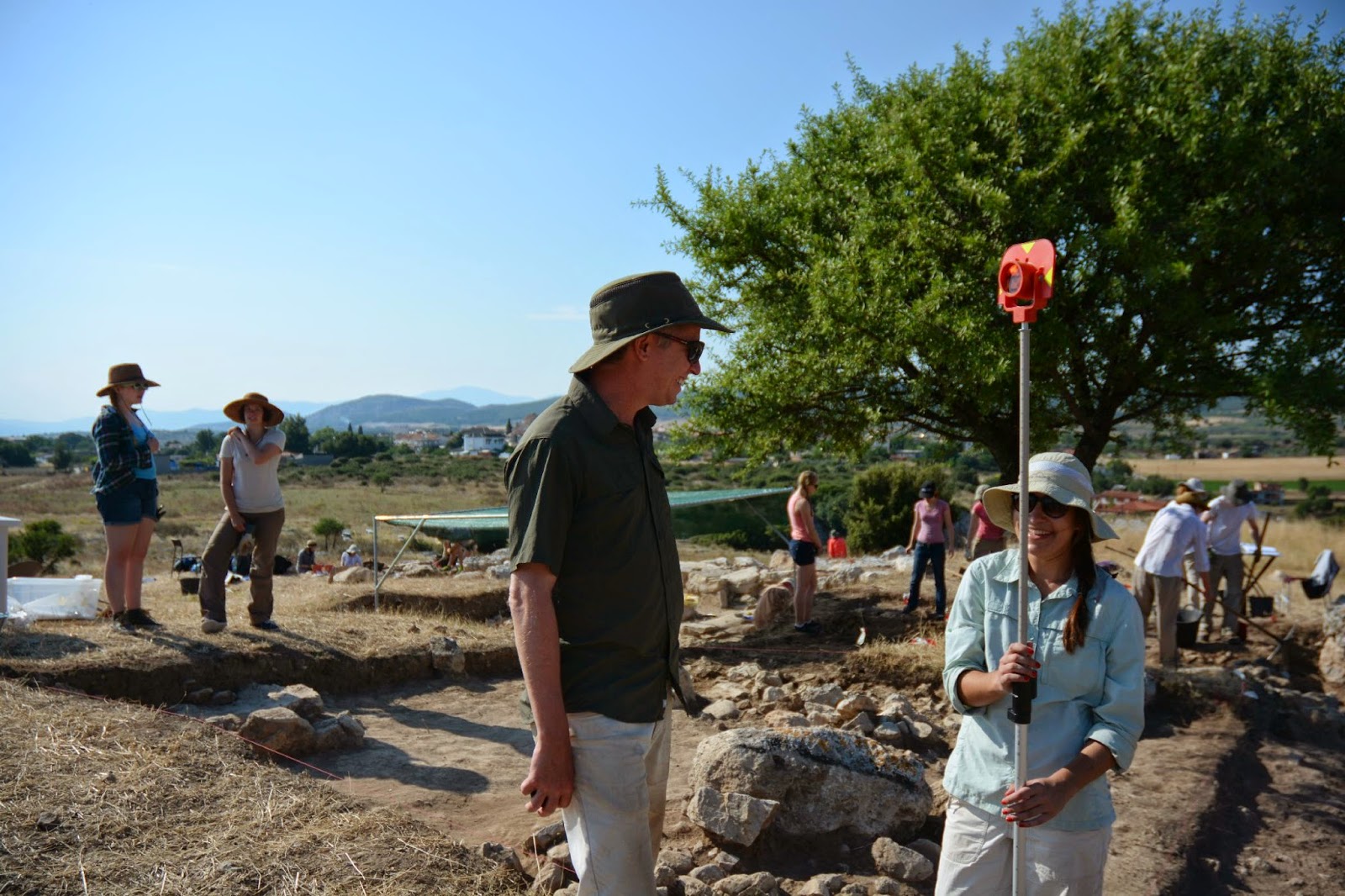
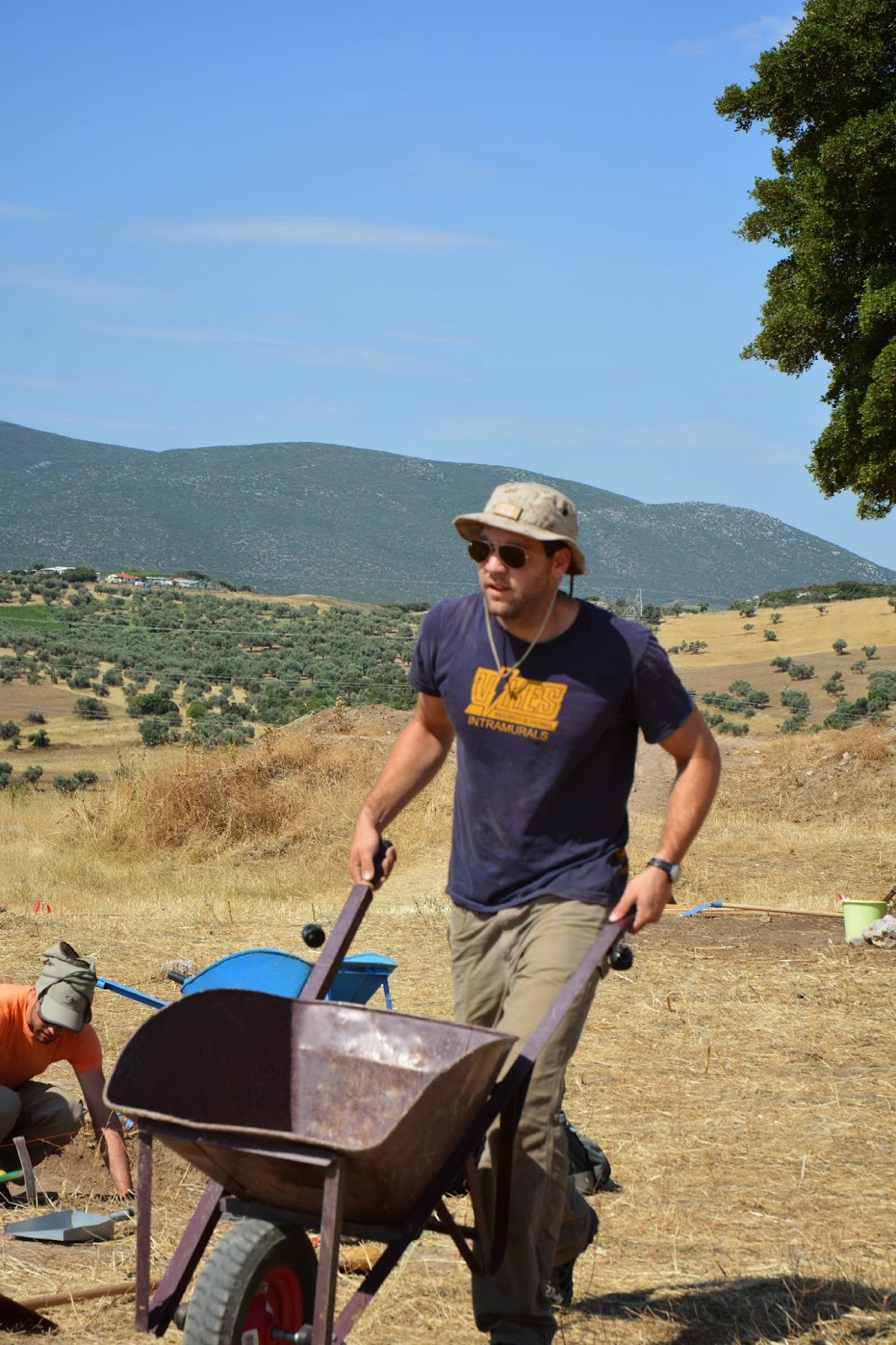
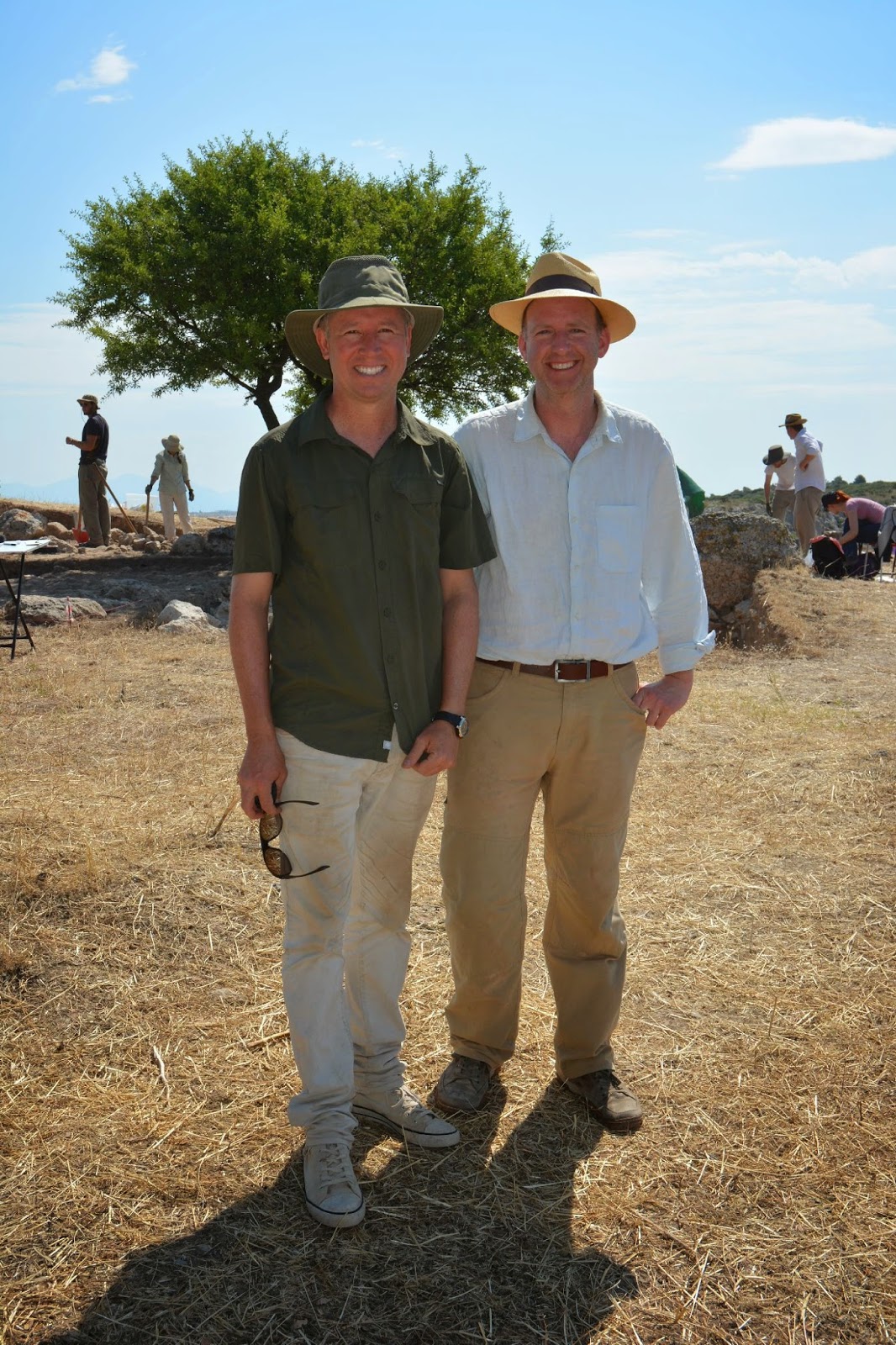
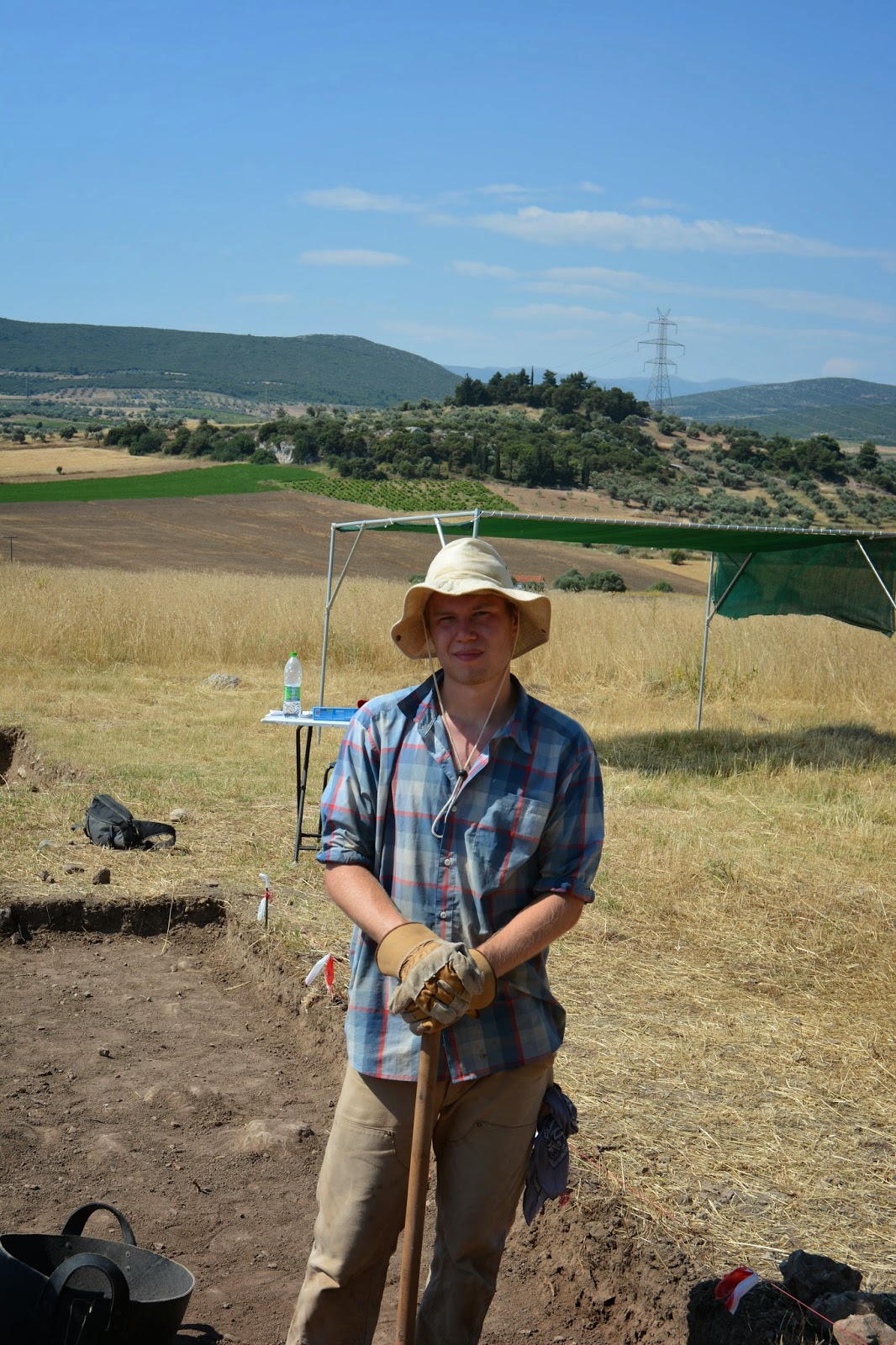
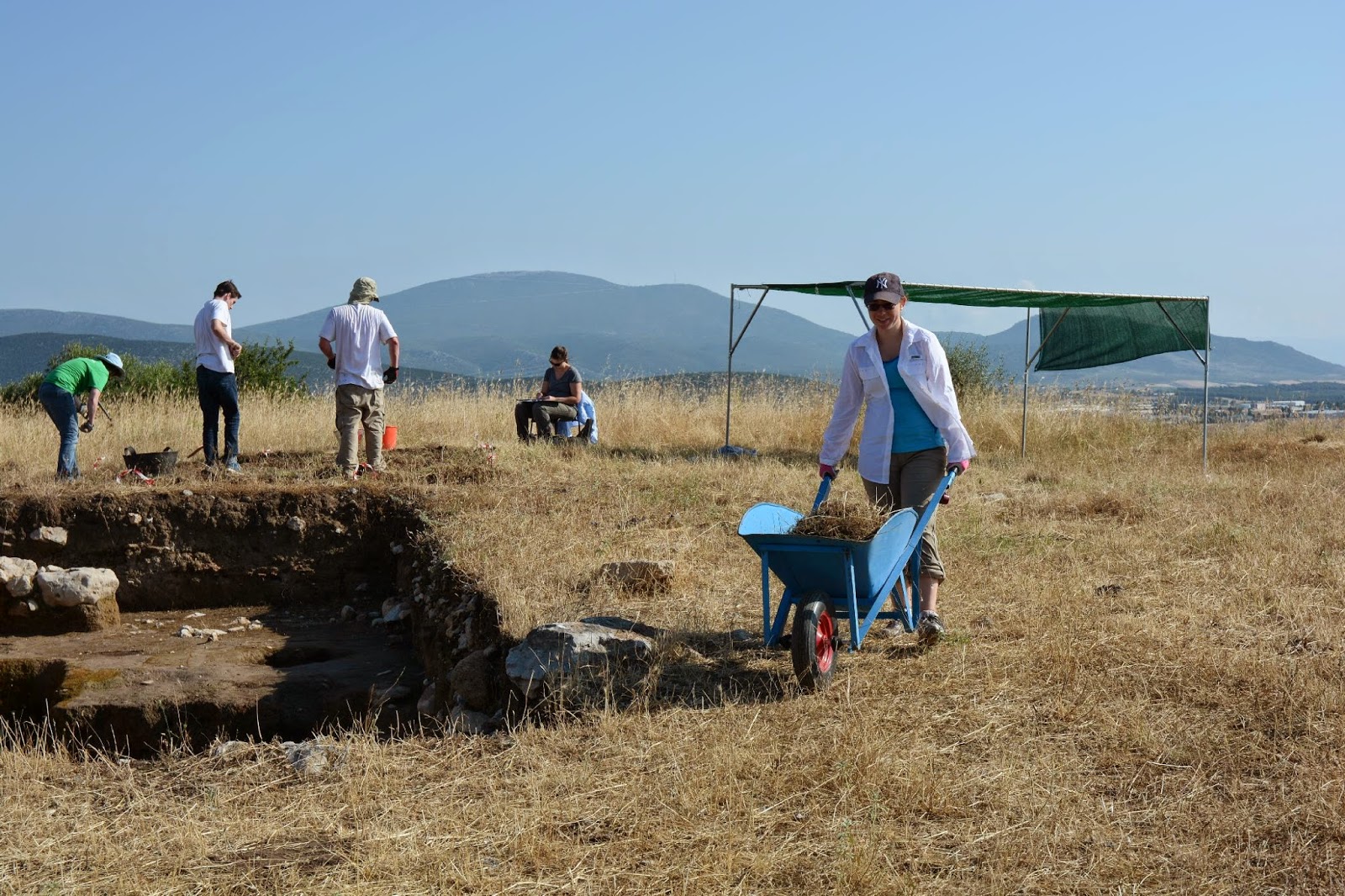
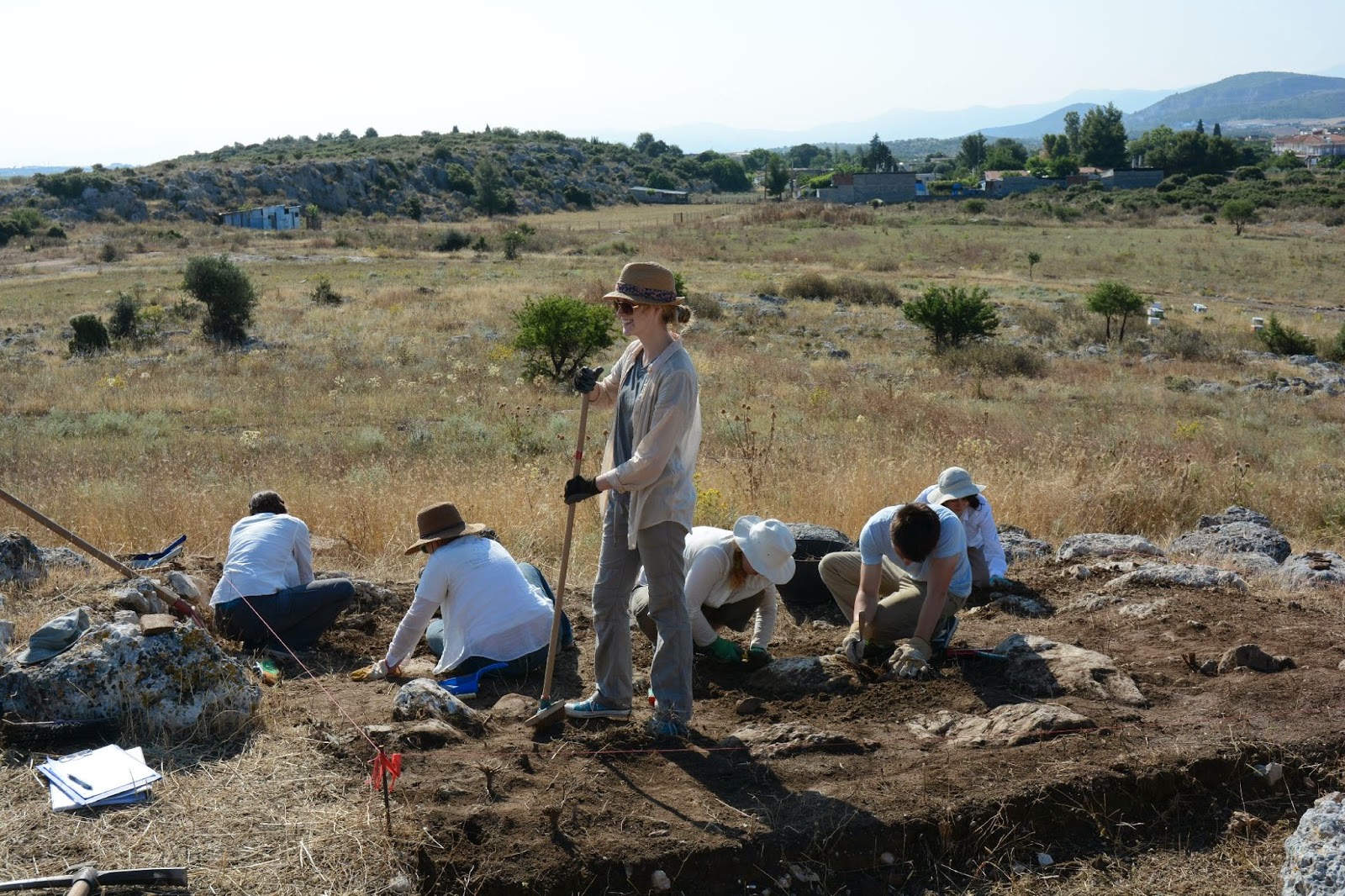
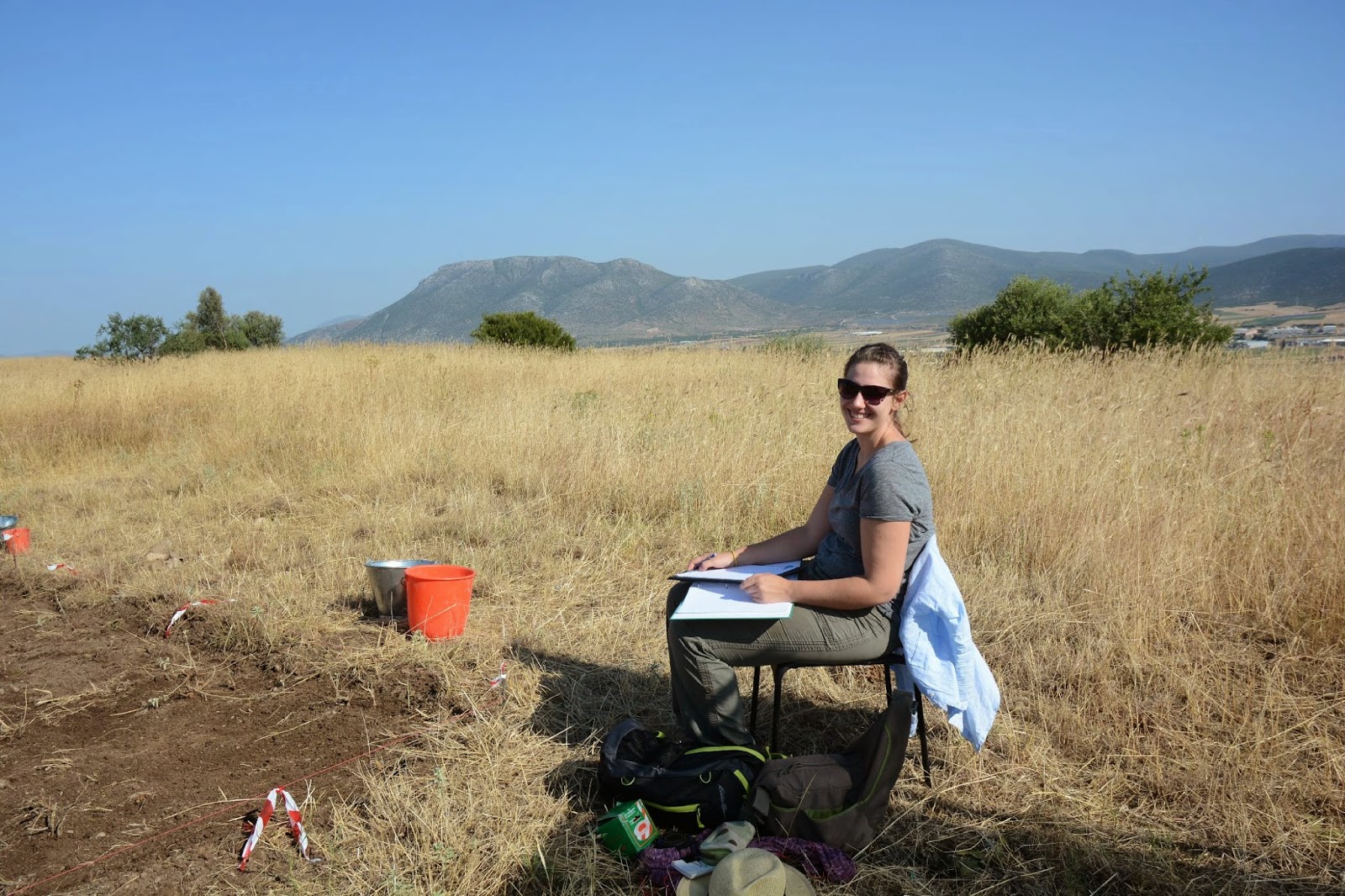
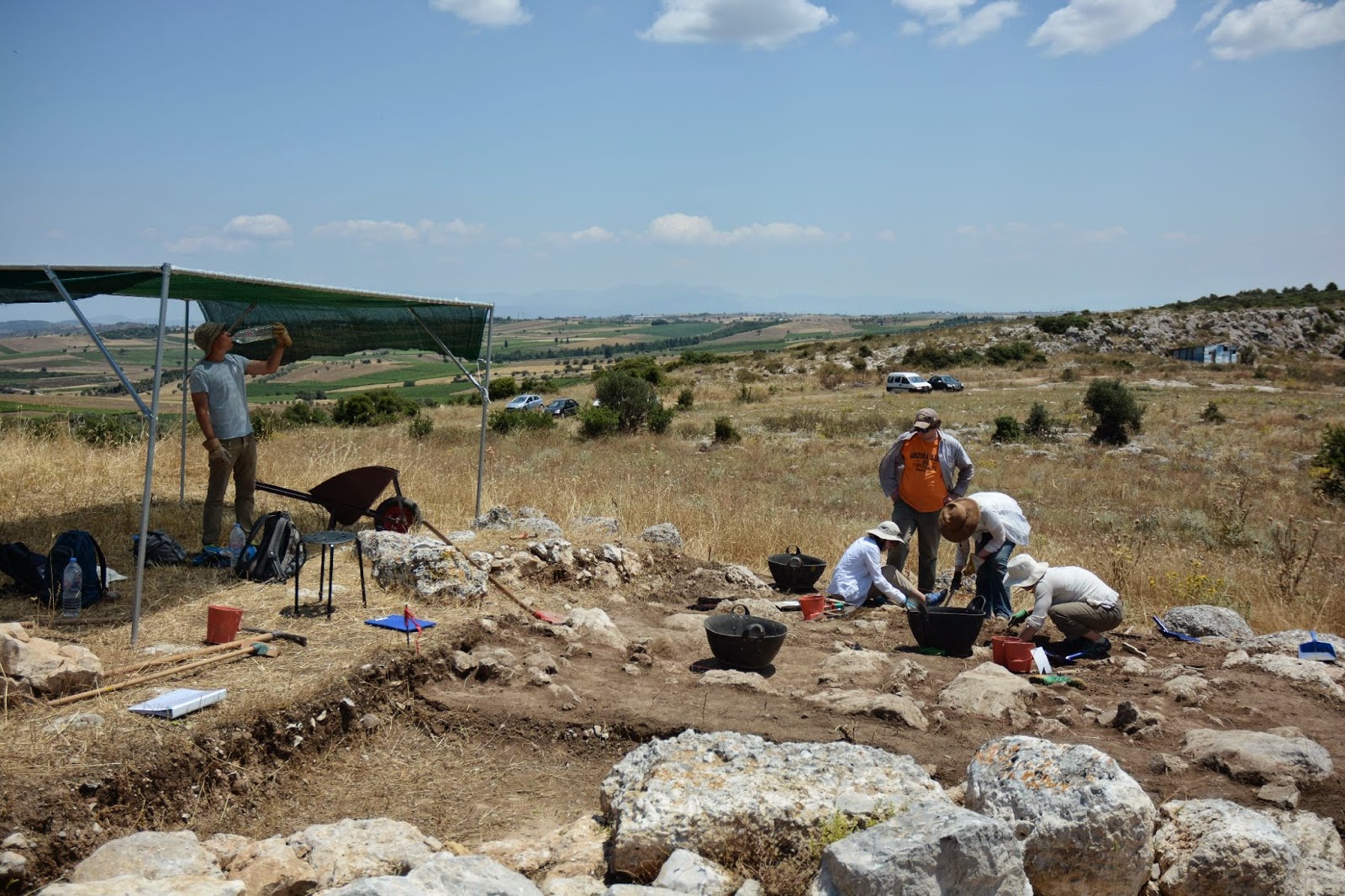
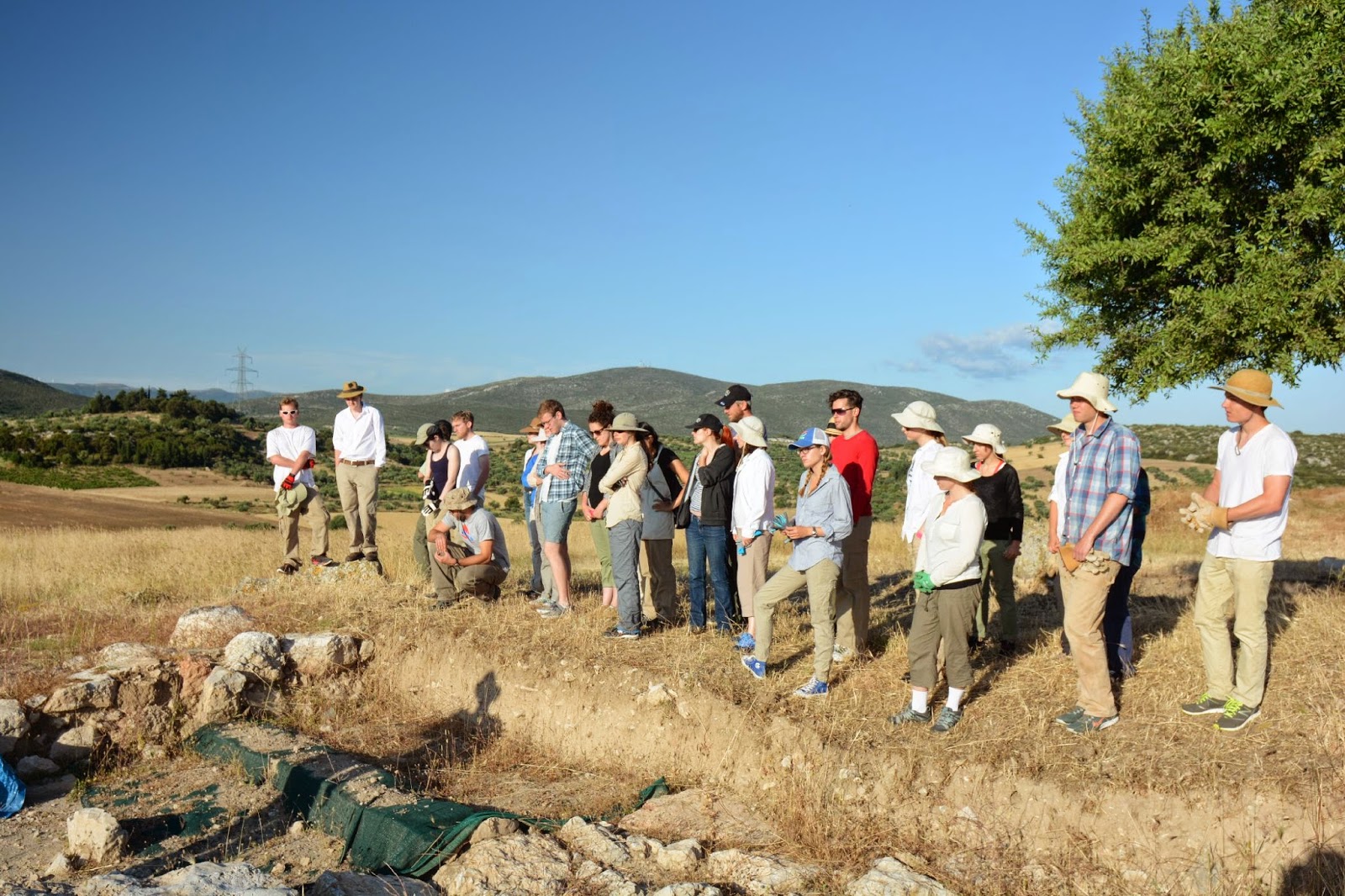
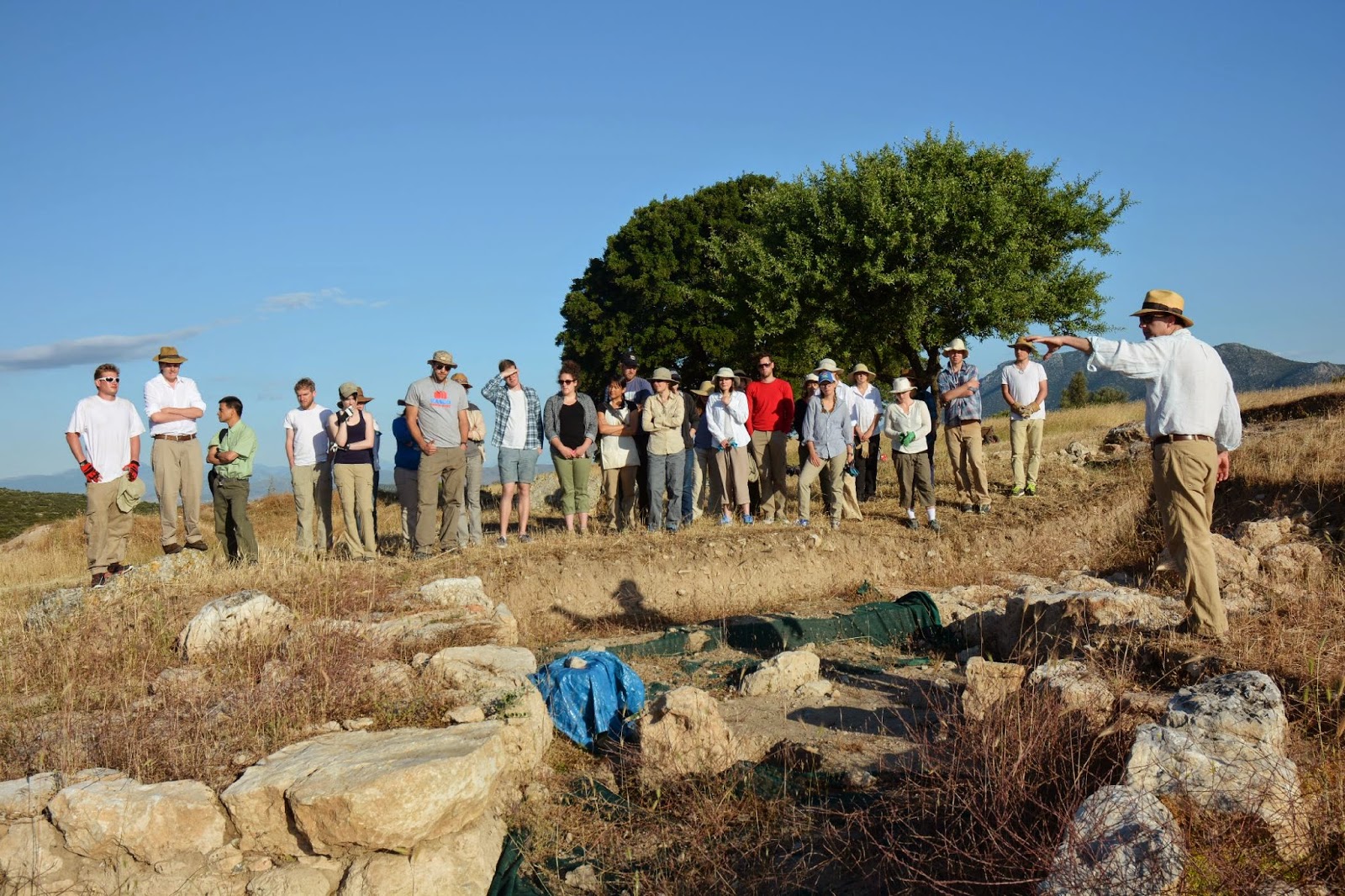
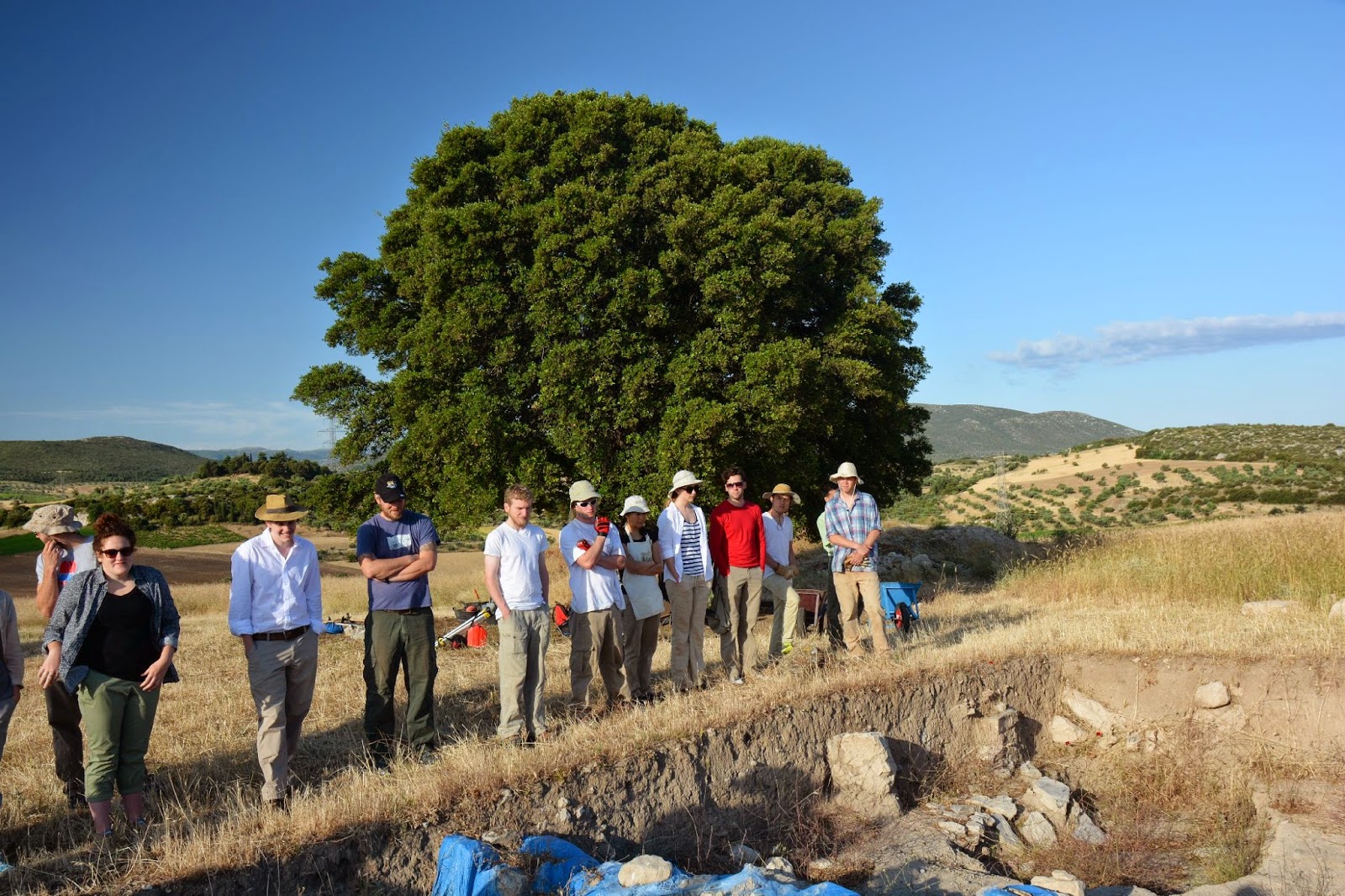
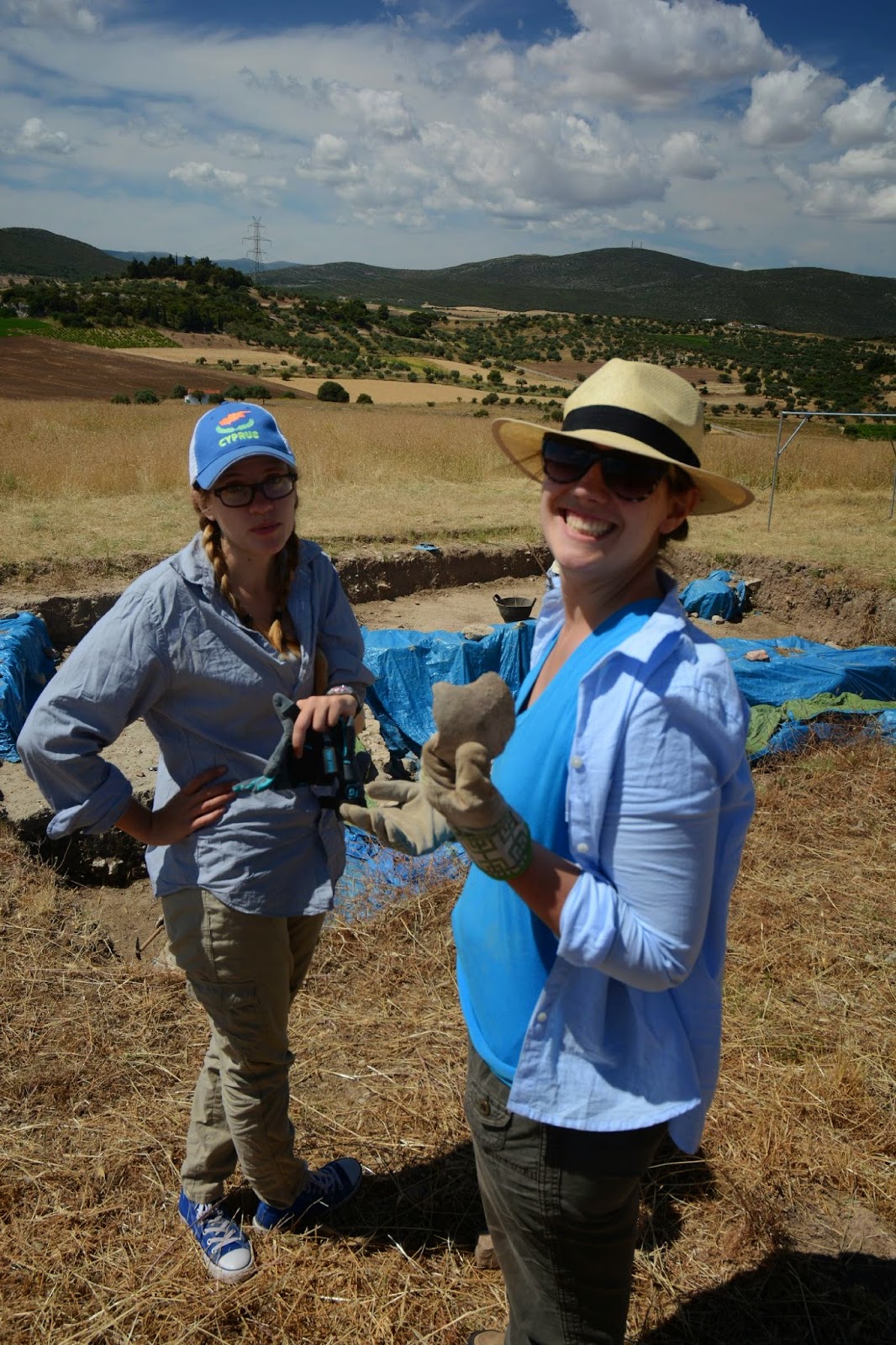
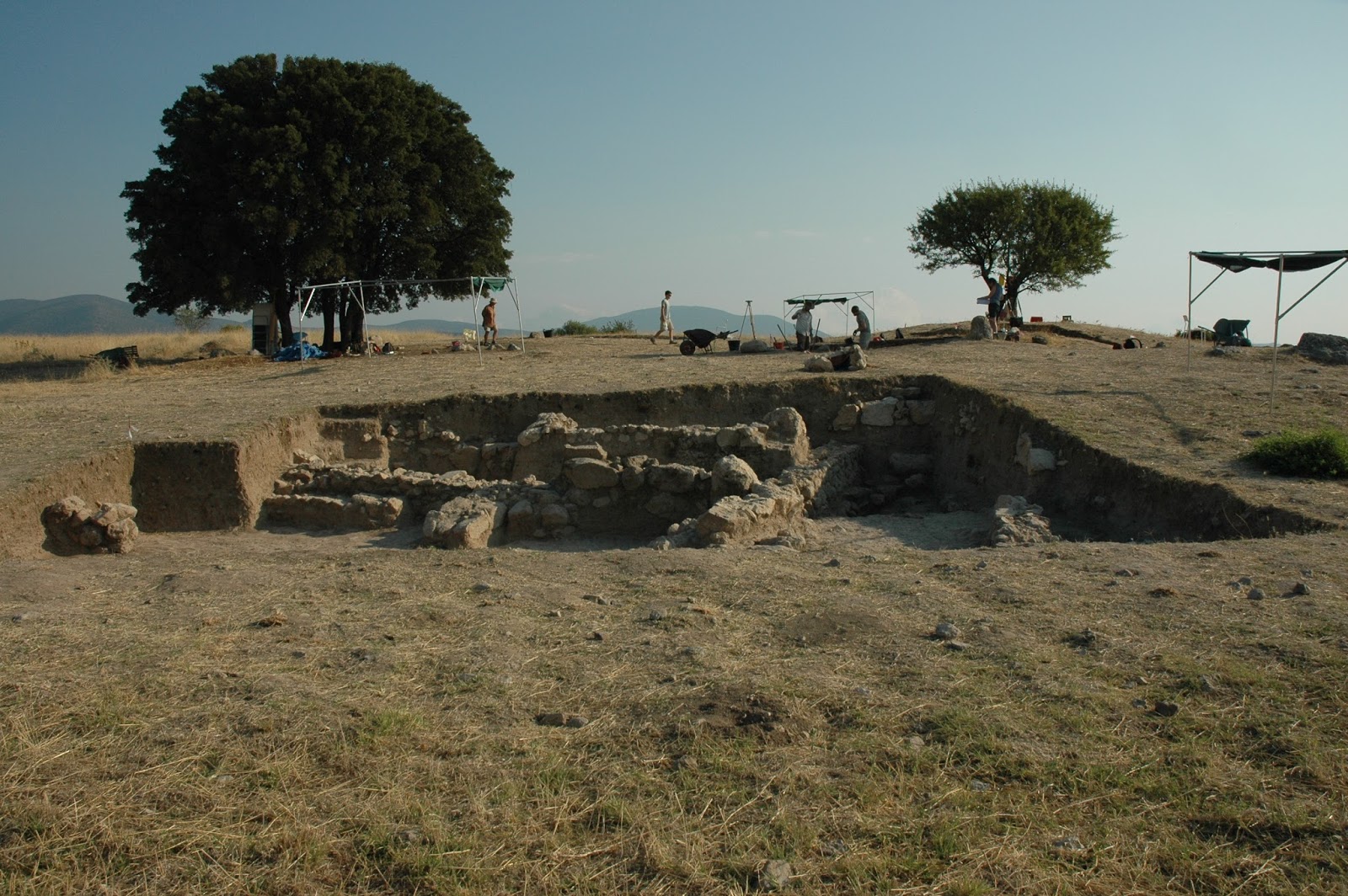
Our season of excavation at Eleon ended on Saturday, July 13ththis year. Throughout 2013 our team of about 30 volunteers, graduate students and undergraduates worked in three different locations: ceramic analysis, drawing, and flotation (to uncover plant remains) were done in our apotheke in Arma. At Dilesi, object conservation, faunal analysis, and pot washing were done. On-site at ancient Eleon in Arma, where Bryan Burns and I, as co-directors, coordinated fieldwork every day. Five trench supervisors worked with student volunteers for six weeks of excavation to further uncover the Bronze Age (Mycenaean) and Archaic/Classical phases to the settlement.
A more detailed report will follow very soon and will be posted on our excavation website:
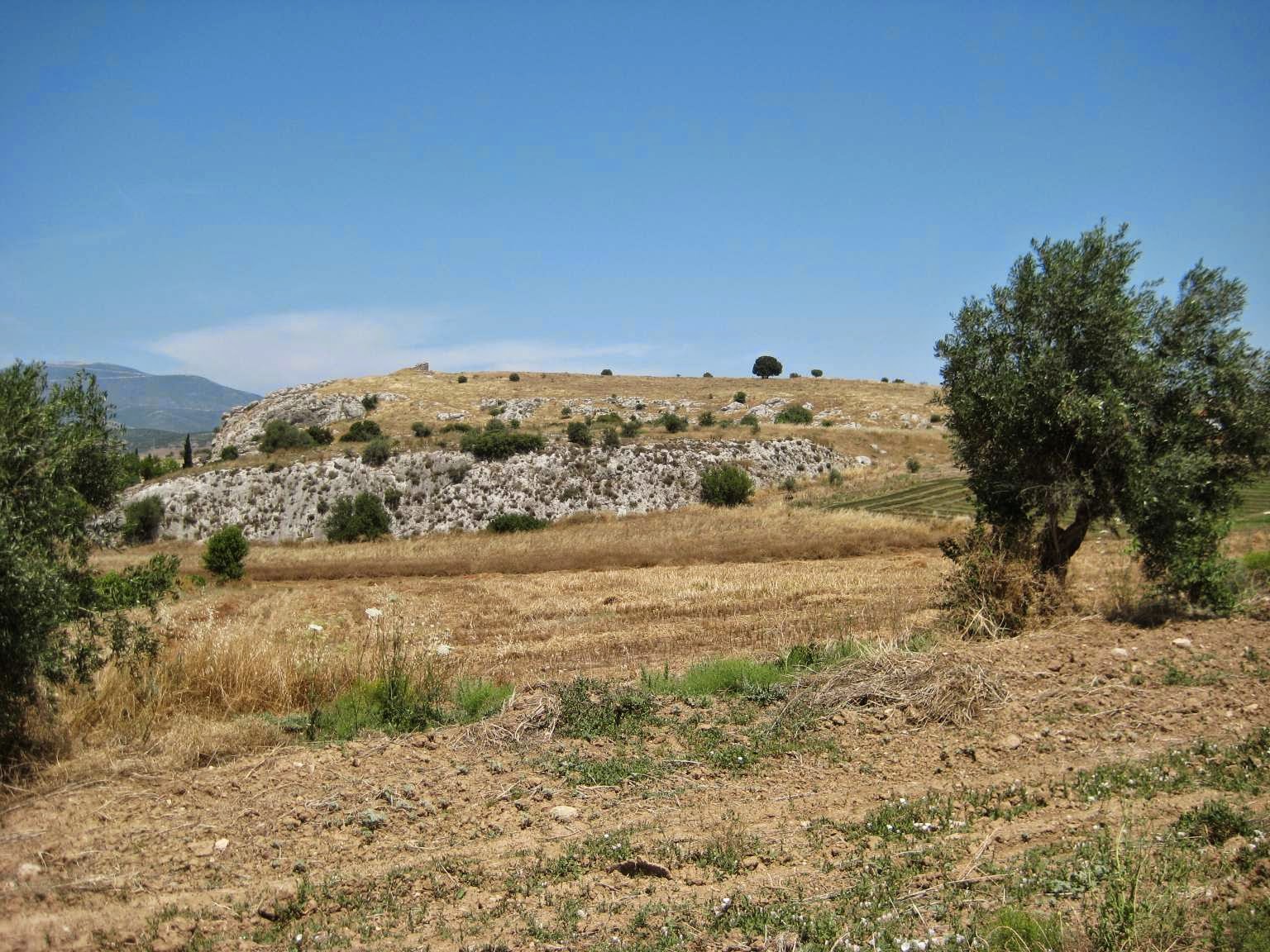
www.uvic.ca/~bburke/EBAP. What follows here is a short summary of our 2013 results. We had three primary areas of excavation in 2013: the Northwest, where we uncovered several whole vessels in their primary context and a very clear destruction level; the Southwest, where we have well-preserved stratigraphic levels from the LH IIIB to LH IIIC middle phases; and the Southeast, an area we refer to as the ‘ramp’. The earliest architecture in the area of the ramp was first built with elaborate Cyclopean style masonry during the Mycenaean age, ca 1200 BC. At some point later Greeks returned to Eleon and renovated the remains of the prehistoric architecture in their own style. From at least the Archaic period (6
th c. BC) onwards this area served as a monumental ramped approach to the upper settlement, as evidenced by multiple pebbly white surfaces and at least two in situ threshold blocks. It seems that the gate area was reworked multiple times attesting to a long period of use. There were indications for heavy traffic on this ramp: crushed miniature cups, known as
skyphoi and
kotyliskoi. Several, located closer to the walls, were found intact. We also found a large number of Archaic/Classical female figurines, suggesting some cult activity in the area. In the Northwest and Southwest we uncovered more of the Mycenaean settlement and have been able to isolate specific destruction levels which are significant for understanding the changing fortunes of Eleon before and after the great palace at Thebes was destroyed. The ceramic sequence continues to indicate a robust and long-lived LH IIIC (post-palatial) occupation at Eleon. This period of Greek history is relatively poorly understood and is traditionally associated with decline, what was formerly known as a ‘dark age’. At Eleon, however, our architecture, ceramics, and other finds of the LH IIIC period indicate that the settlement thrived during this time, after sites like Thebes, Mycenae and Pylos were destroyed. From 2013 our work shows that Eleon is a particularly rich LH IIIC site which continued to have significance into the Archaic and Classical periods.

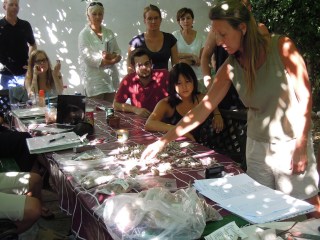
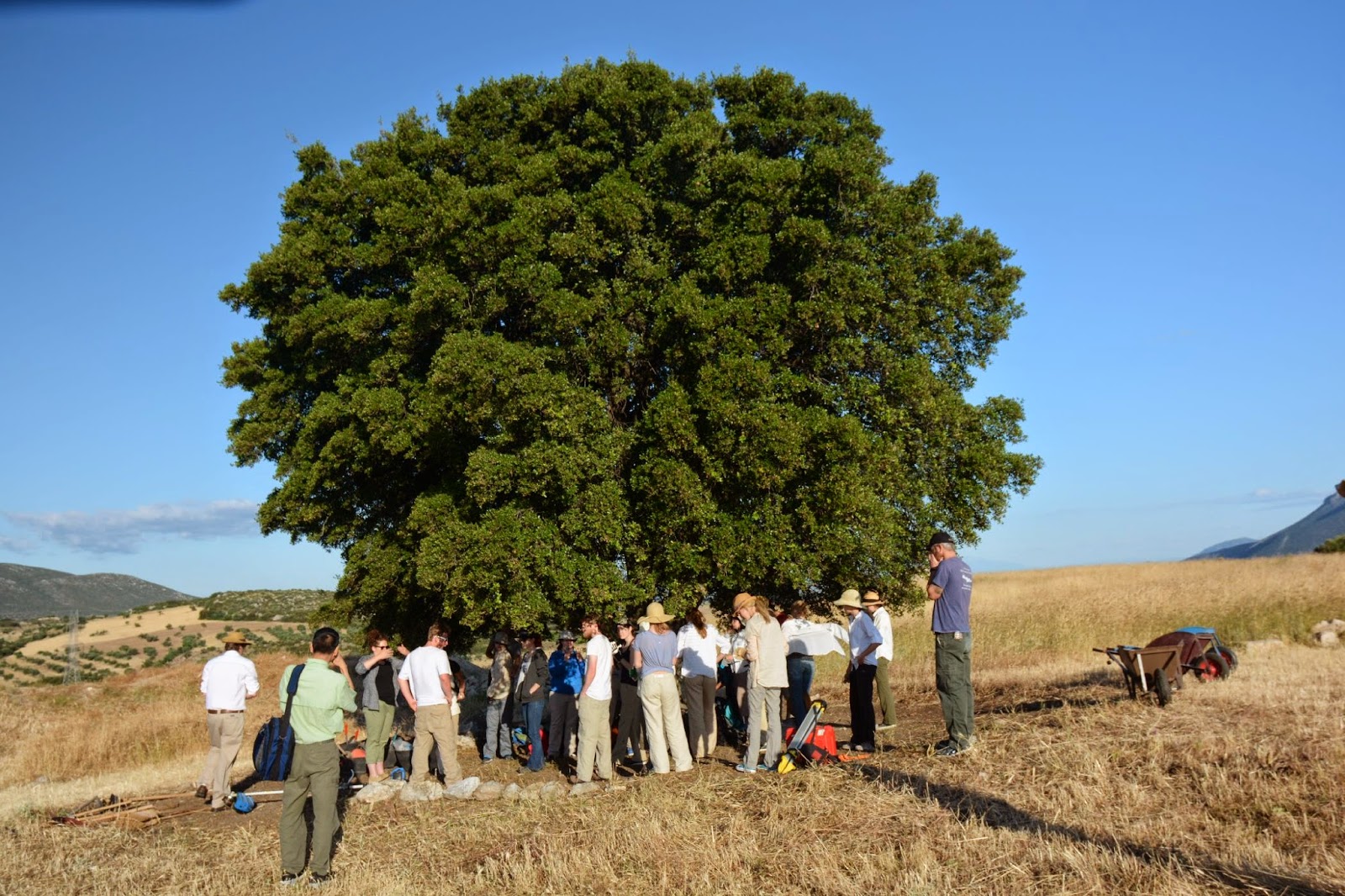
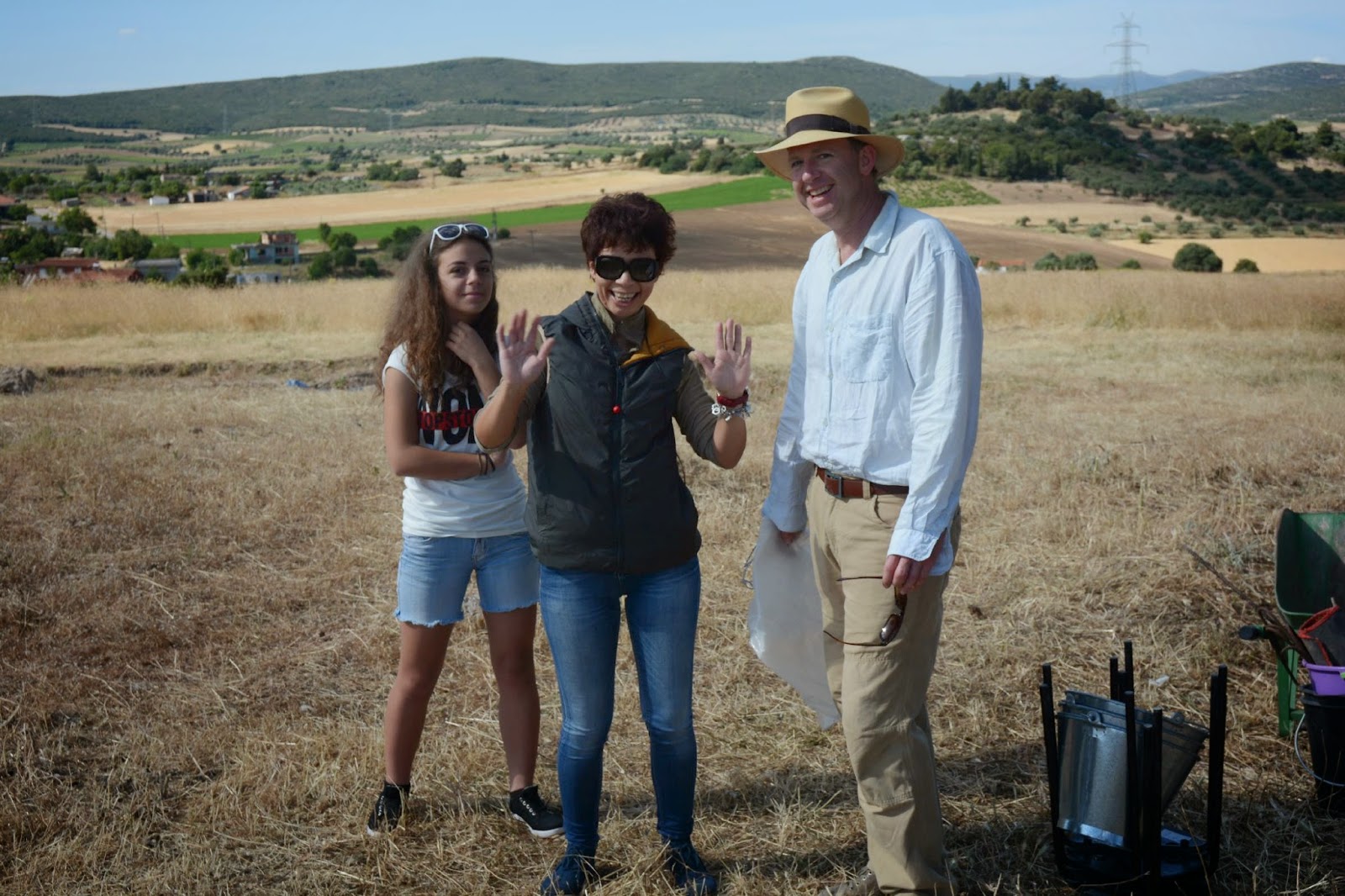
On July 14th, we had the opportunity to present our results to the people of Arma at what we called an ‘Open House. This event with the village was a perfect conclusion to a great six weeks of work. We were able to present many of our results this year to the local community. It is, however, also important to us that we take some time to highlight our ‘home base’, in Dilesi, where our work continues every afternoon. Since 2007 we have been hosted by this community and have sincere thanks to many people who have helped us each summer.
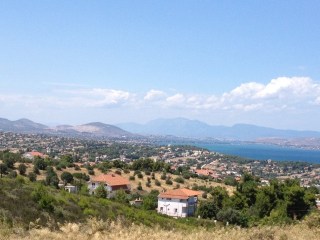
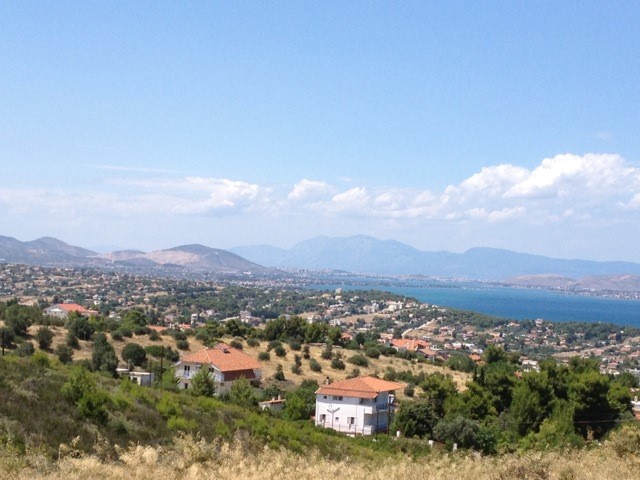
Dilesi is located along the eastern Boeotian ‘Riviera’ (as we like to call it), the small stretch of coast along the southern Euboian Gulf between Attika and Chalkis. It is about an hour by car from Athens, and we look across the gulf to the important sites of Lefkandi and Eretria. Dilesi is the modern name of ancient Delion, or Delium, the location of a famous battle between the Athenians and Boeotians in 424 BC. The Athenians established a garrison in the town for a short time, but were ultimately routed by the Boeotians who reclaimed the city and its temple to Apollo. The precise location of the Greek sanctuary and settlement are not known, but excavations have revealed remains of the Roman period occupation, including a ceramic kiln, shops, and a bathing complex.
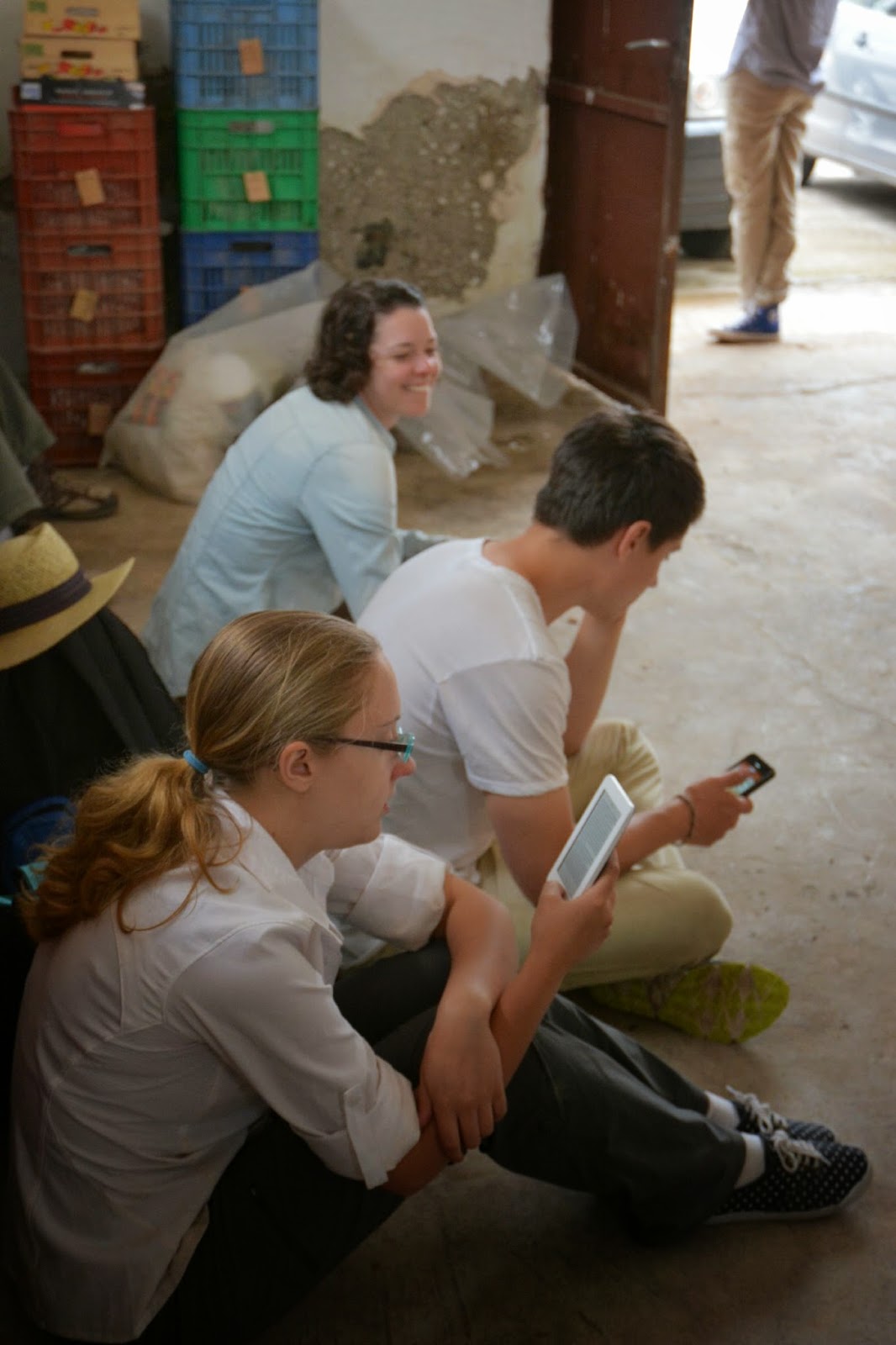
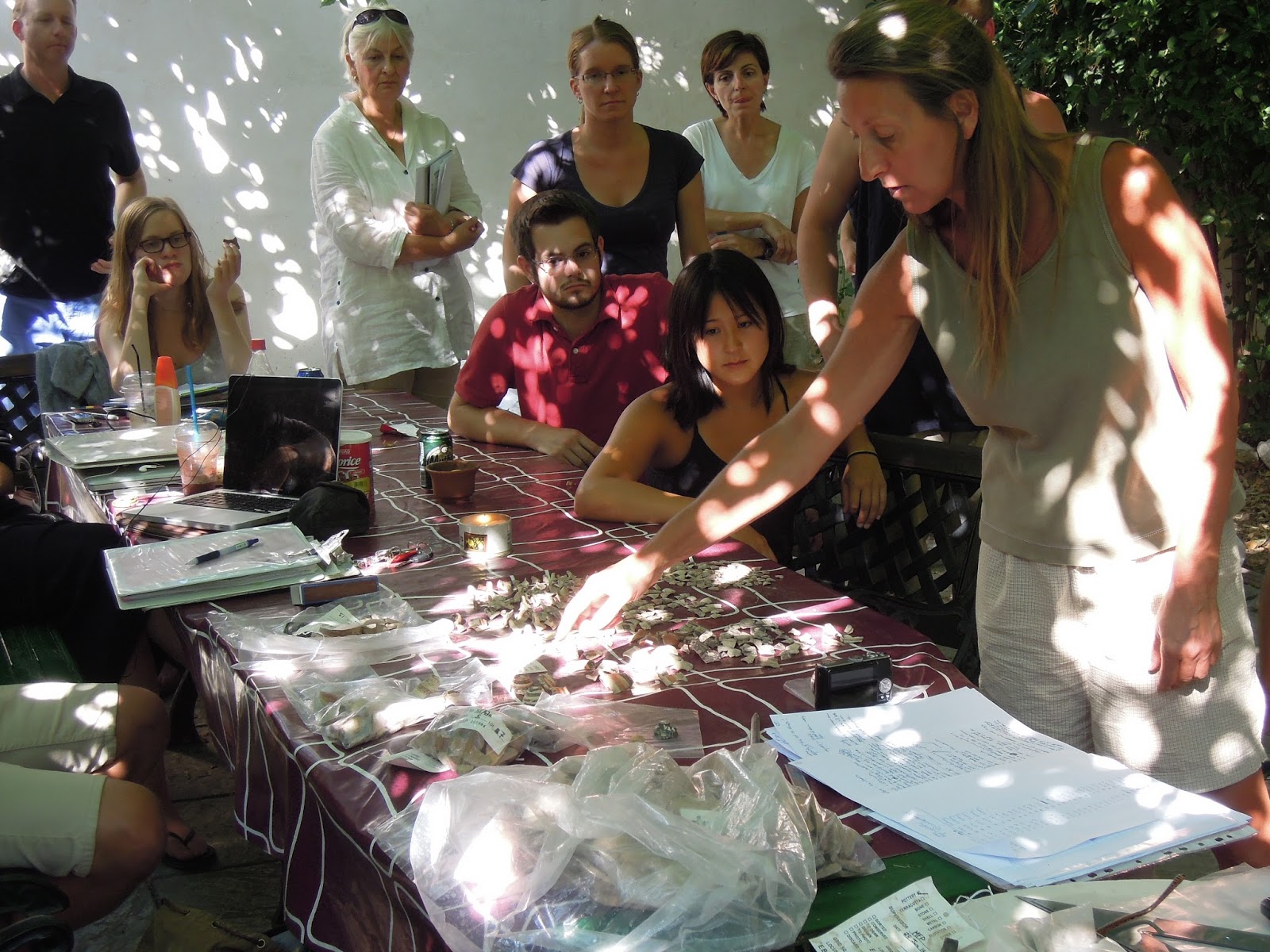
We have been very fortunate to live right along the sea every year of the EBAP survey and excavation, in the summer apartments owned by Mrs. Ino Mamoni and her family. The property’s enclosed patio and garden provide a vital workspace. This is where we wash and sort daily pottery so that the next day’s excavation can be directed in some ways by the preliminary reading of the previous day’s potter. In the garden we have occasional seminars led by our staff members and we welcome visiting scholars interested in our results. The garden is where everyone comes to appreciate the material we’ve recovered each day, and it’s the site of many small discoveries: letters inscribed on a tile fragment, the joining pieces of a vessel, a bird or shell or human, among the painted sherds!
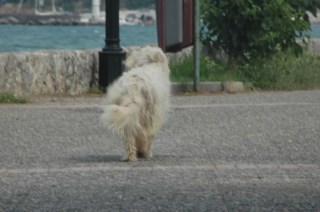
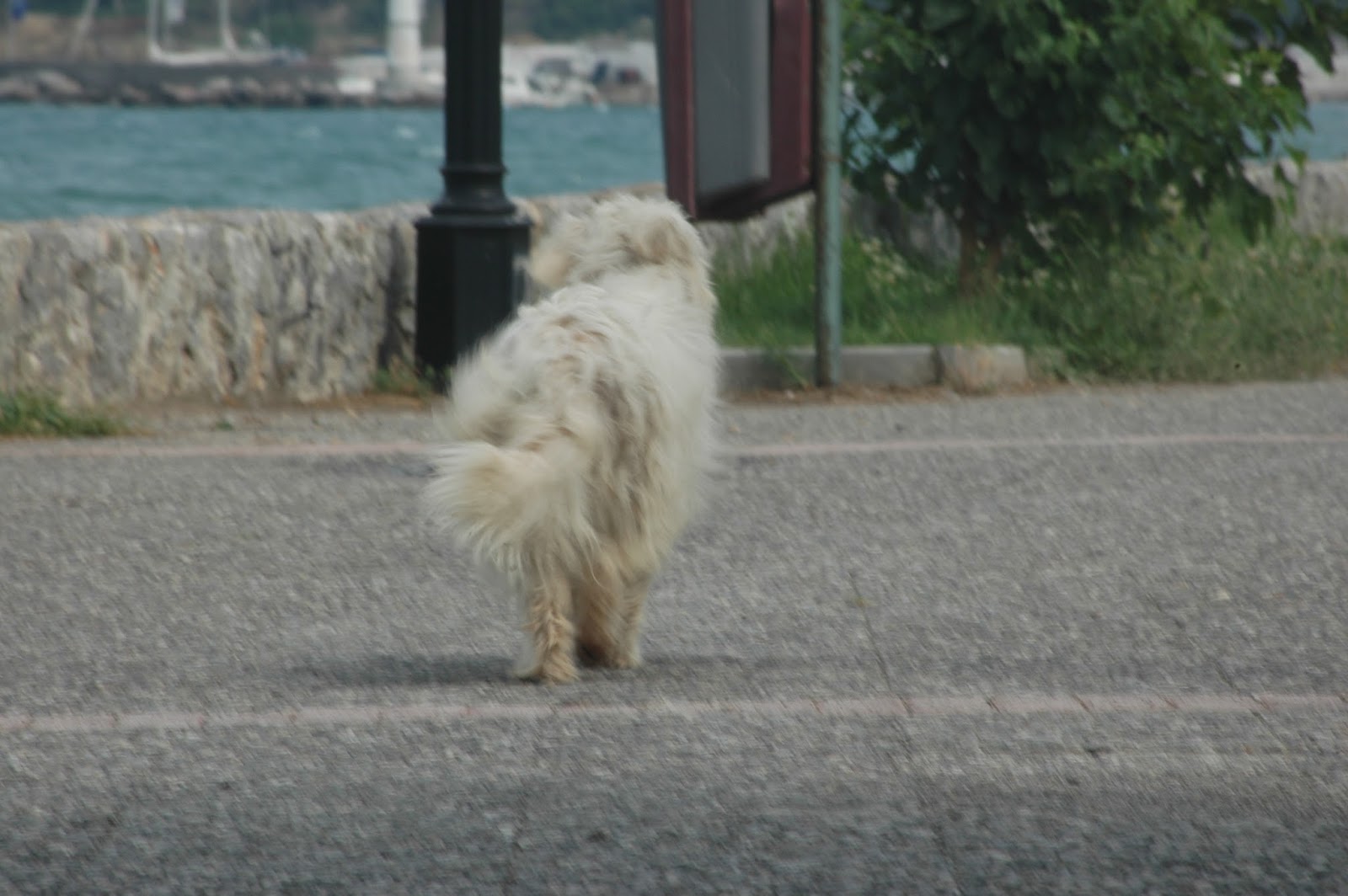
Beginning in 2007, Mrs Mamoni was a constant help to us, always greeting us with a joyful smile and treats upon our arrival each summer. She would bring us fruit picked from her garden trees or cool drinks at the perfect time during our working hours. She was also ever watchful of our living and work space, providing a safe and secure environment. She loved cats, including a recent adoption she called ‘Xanthi’. In previous years she adopted local dogs, treating them with rare kindness and providing them with food and water. One of our favorite dogs she called ‘Kanella’ (cinnamon), to whom she once memorably said, ‘ela Kanella, exoume douleia!’ as they walked down the street together on a late-night errand to help her tenants (us!). Most sadly, Mrs. Mamoni passed away this summer and we are very sorry for this loss to her family. We miss her greatly. We have grown to know and care a great deal about the Mamoni family and hope to continue living and working at the family’s place in Dilesi in the coming years.
In 2013 our team of volunteers and students was the largest we have ever had and we had to find additional housing in Dilesi, in several apartments in the town and in one rented summer home in the nearby neighborhood of Argileza. Our various landlords have been extremely helpful to us, providing us with a sense of security and ‘home’ while we do our research.
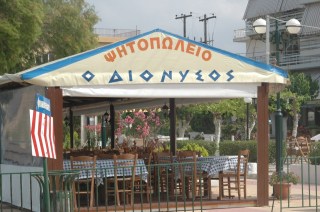
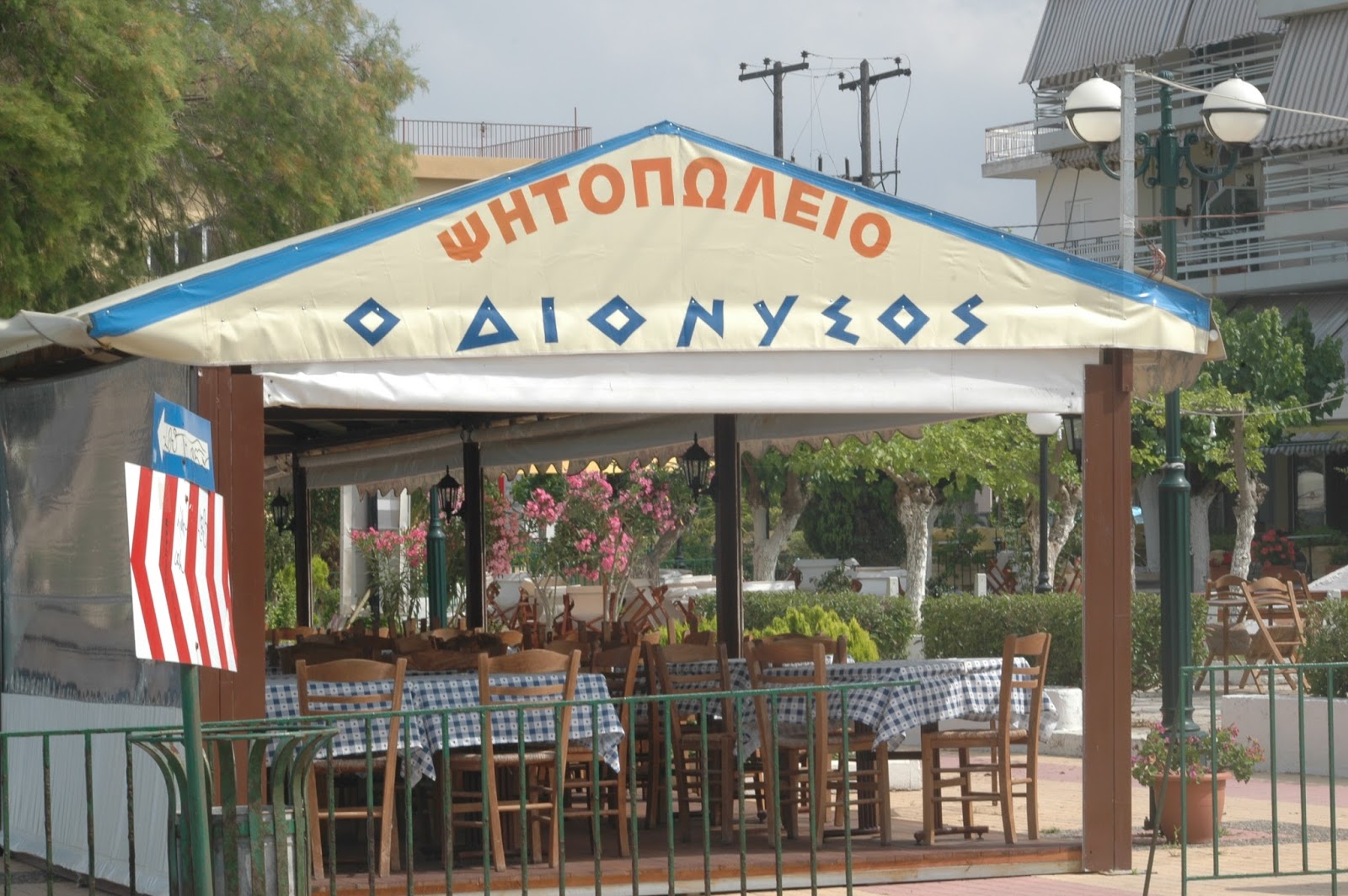
Nearby to our home base in Dilesi are a number of tavernas, and as everyone who has been on an excavation knows, dinner time is one of the most important events each workday. It’s the only place the entire team is together in one place and serves as a meeting point for sharing updates on the project and making announcements. Our most-favored taverna is Babis’ Taverna. Young Babis runs the taverna while his parents are in the kitchen. The prepared meals here are unparalleled in Dilesi – students will often take home left over moussaka for breakfast! We do enjoy other tavernas in Dilesi as well, including Delion, which makes excellent seafood. Our students have come to discern the best souvlakia in town, with and without ‘sos’ (sauce). There are many to choose from so being in-the-know is helpful. We also enjoy several of the local cafes which provide broadcasts of major sporting events. I watched several Wimbledon matches with people on the team at Café Contigo. Others preferred Café Legend and the unusually named ‘Square: More than Coffee’. We have grown to appreciate Dilesi since first arriving in 2007. We’ve seen several changes over the years, and wish it well over the winter. We look forward to coming back again in 2014 to continue our work at ancient Eleon!





 EBAP Excavations