Pits

by Jack Vernon
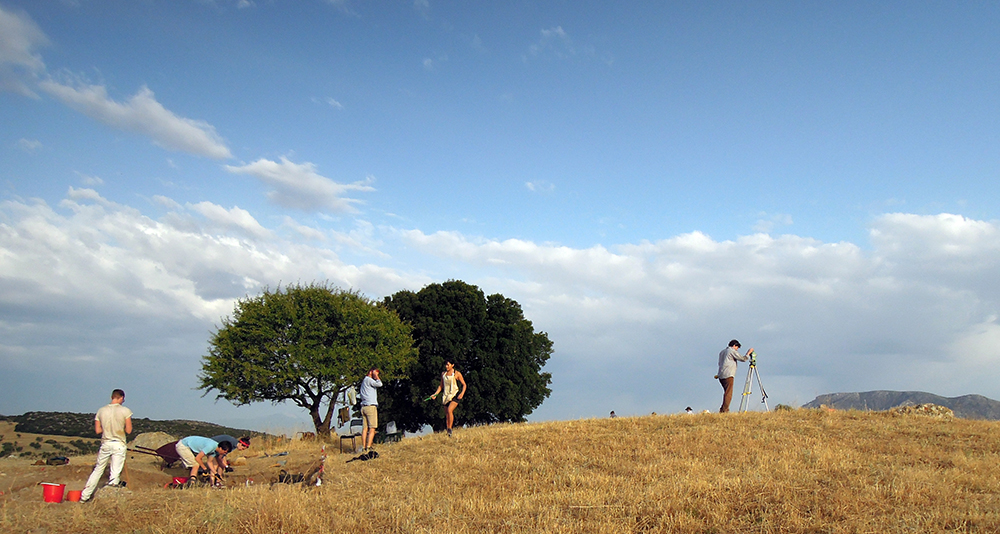
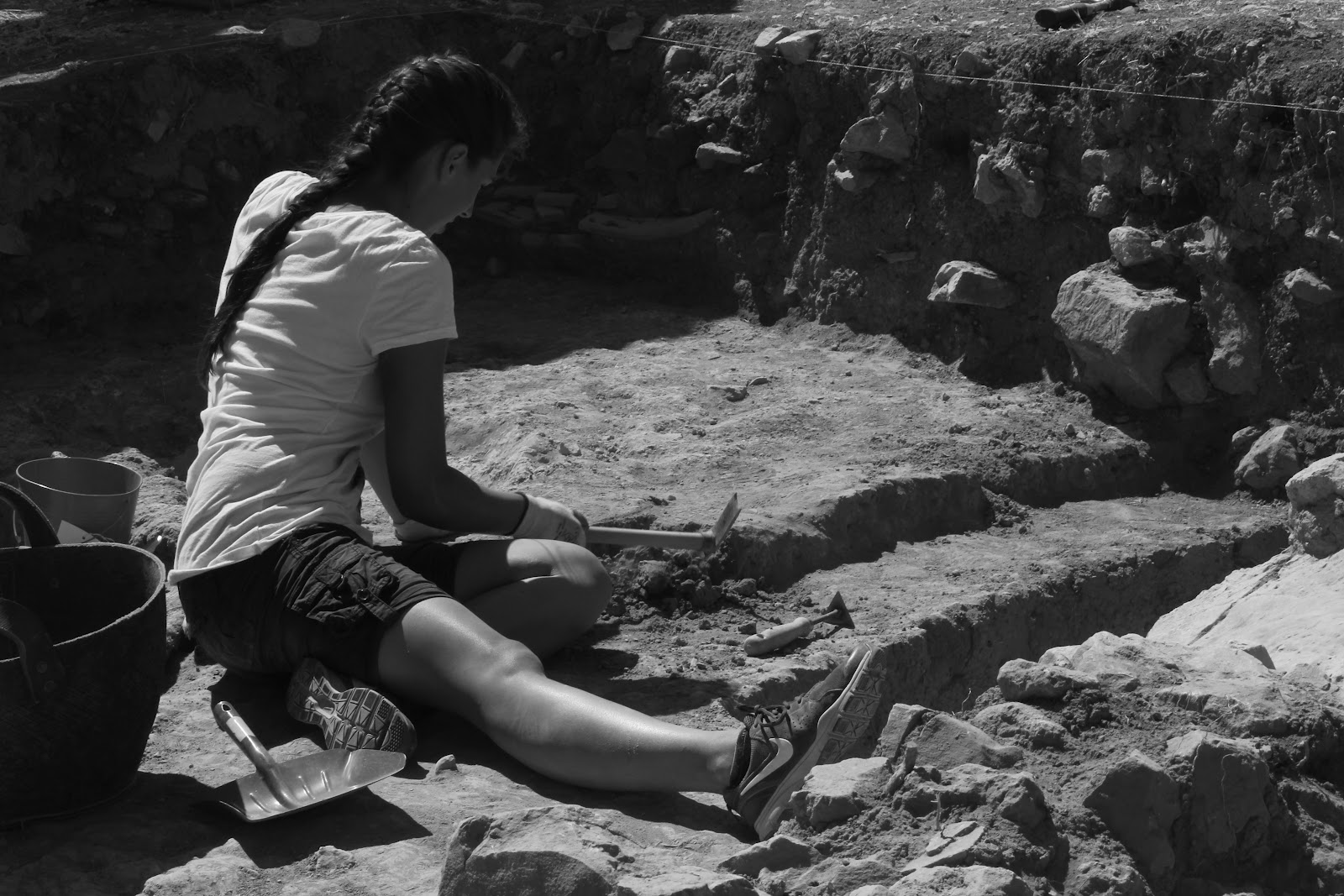
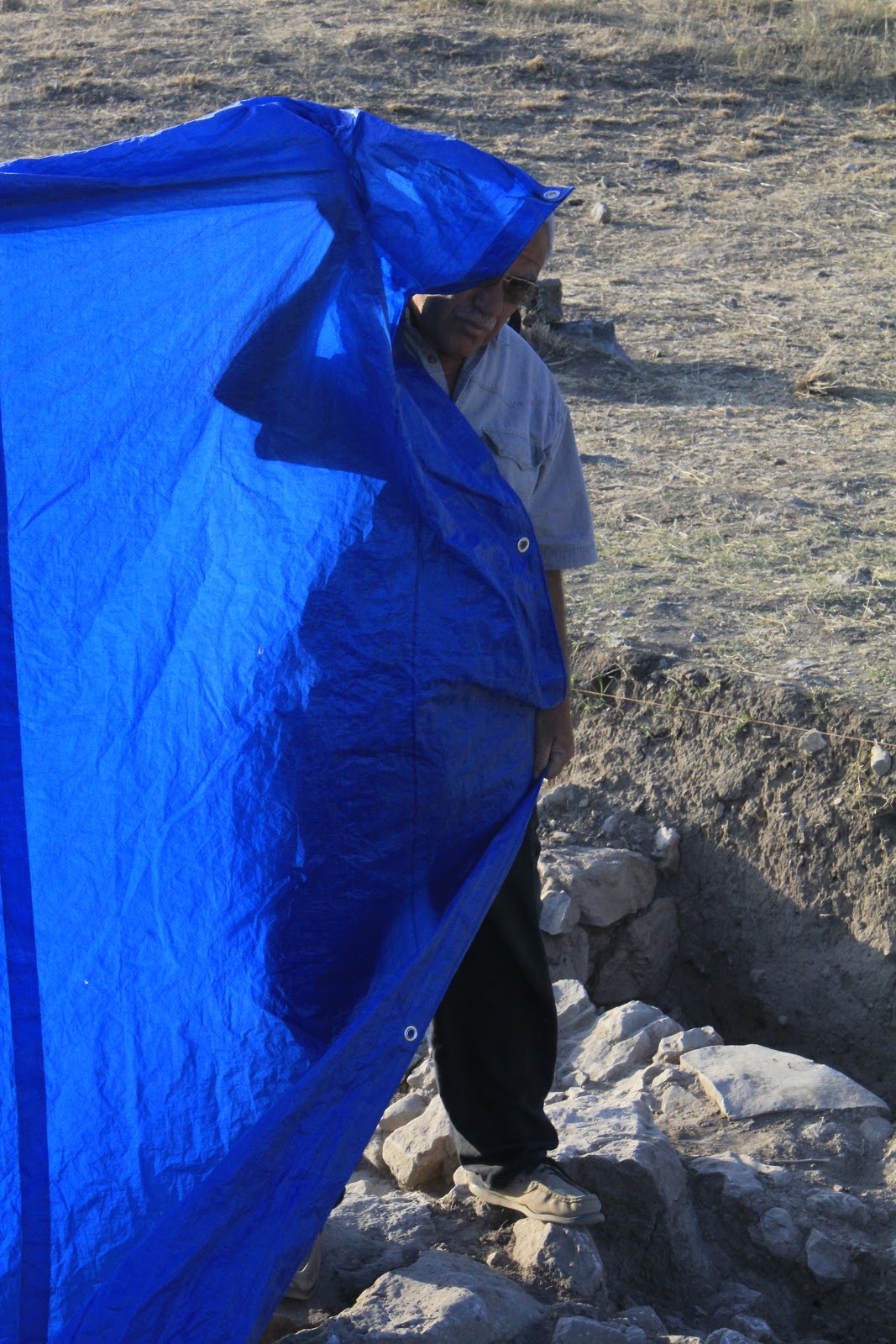
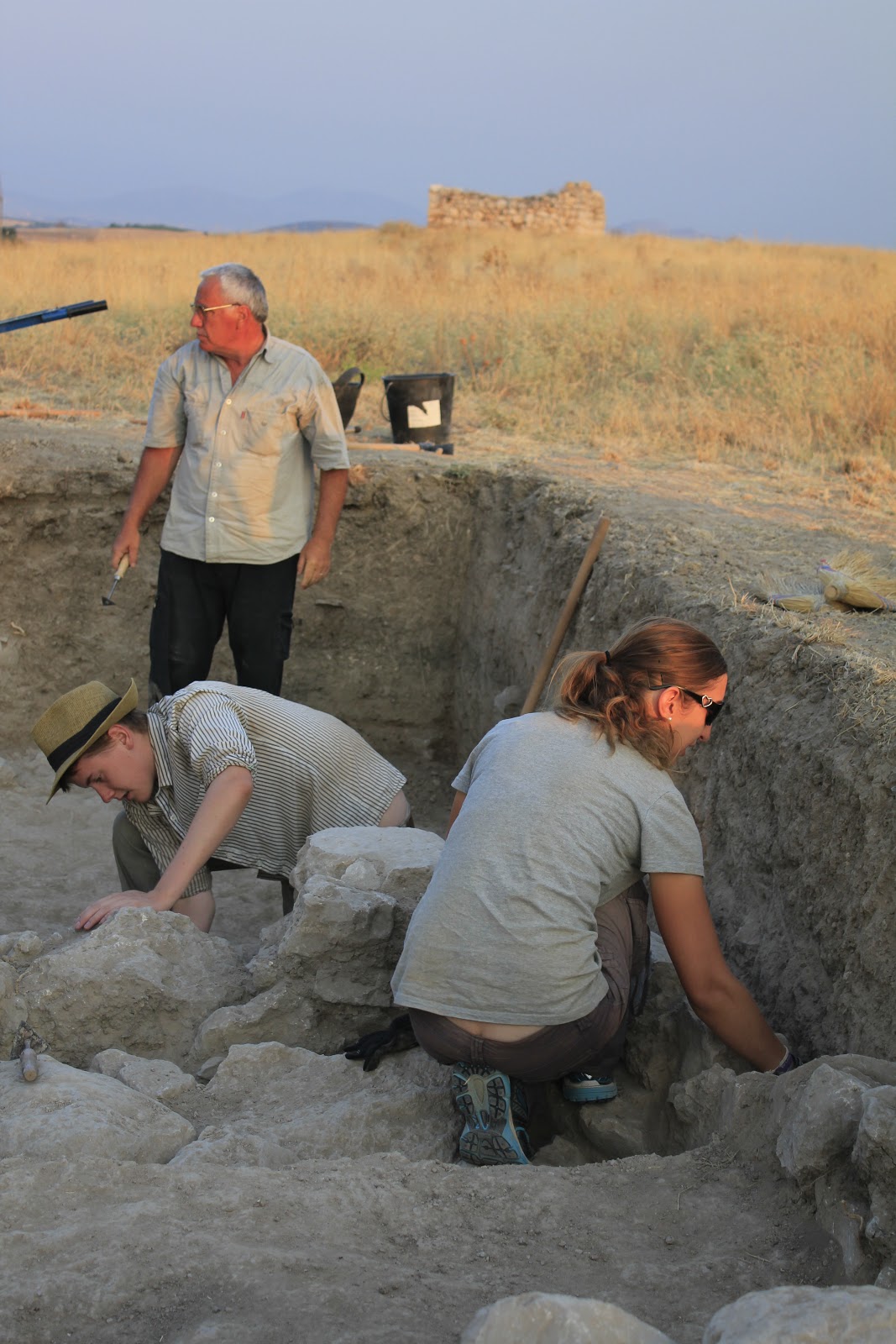
We’re two thirds of the way through the dig now and only have two weeks left. After the first couple of weeks the weather turned and we have had hot, sunny weather since. This makes it incredibly hot at the dig site. Luckily the sun shades have been built and they protect us to some extent from the sun and its heat. Because of the high heat we have changed the starting time to 6:00 am instead of the previous 6:30.
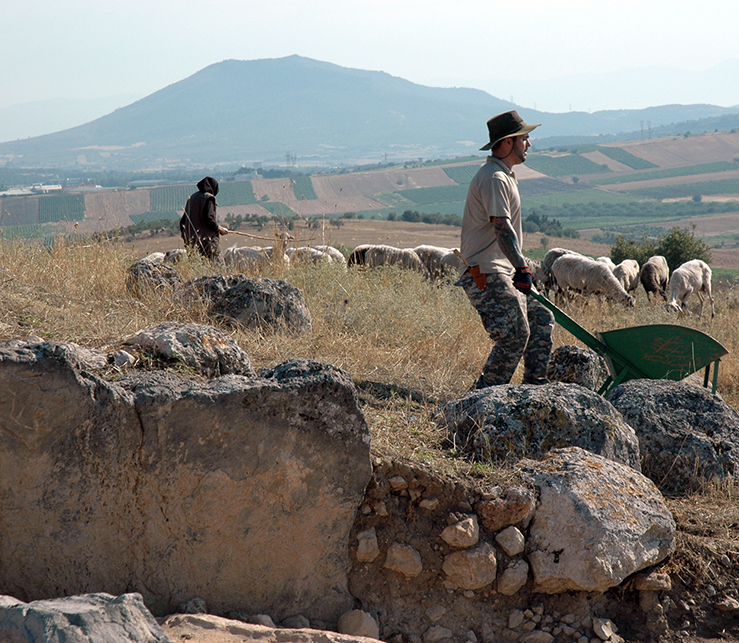
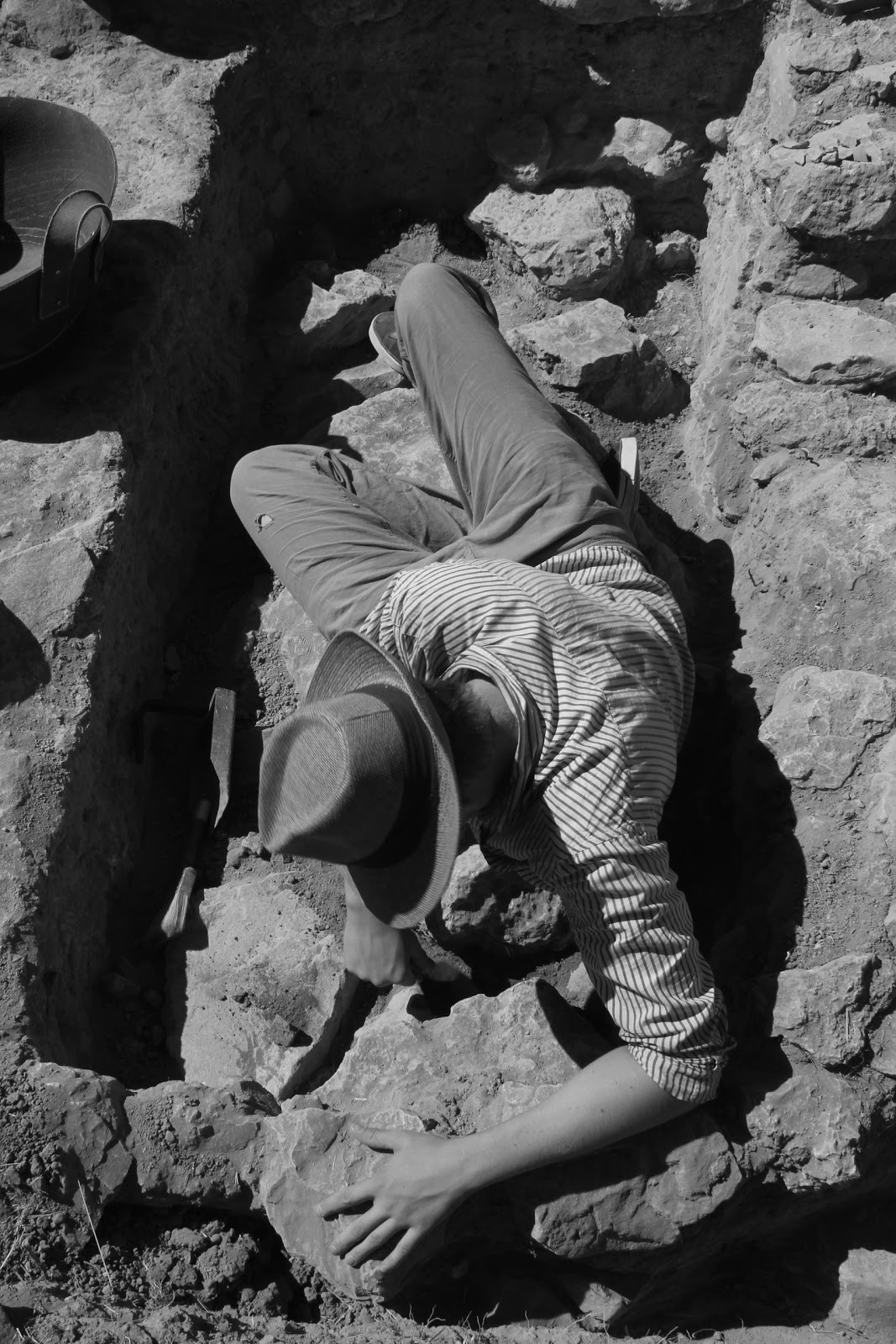
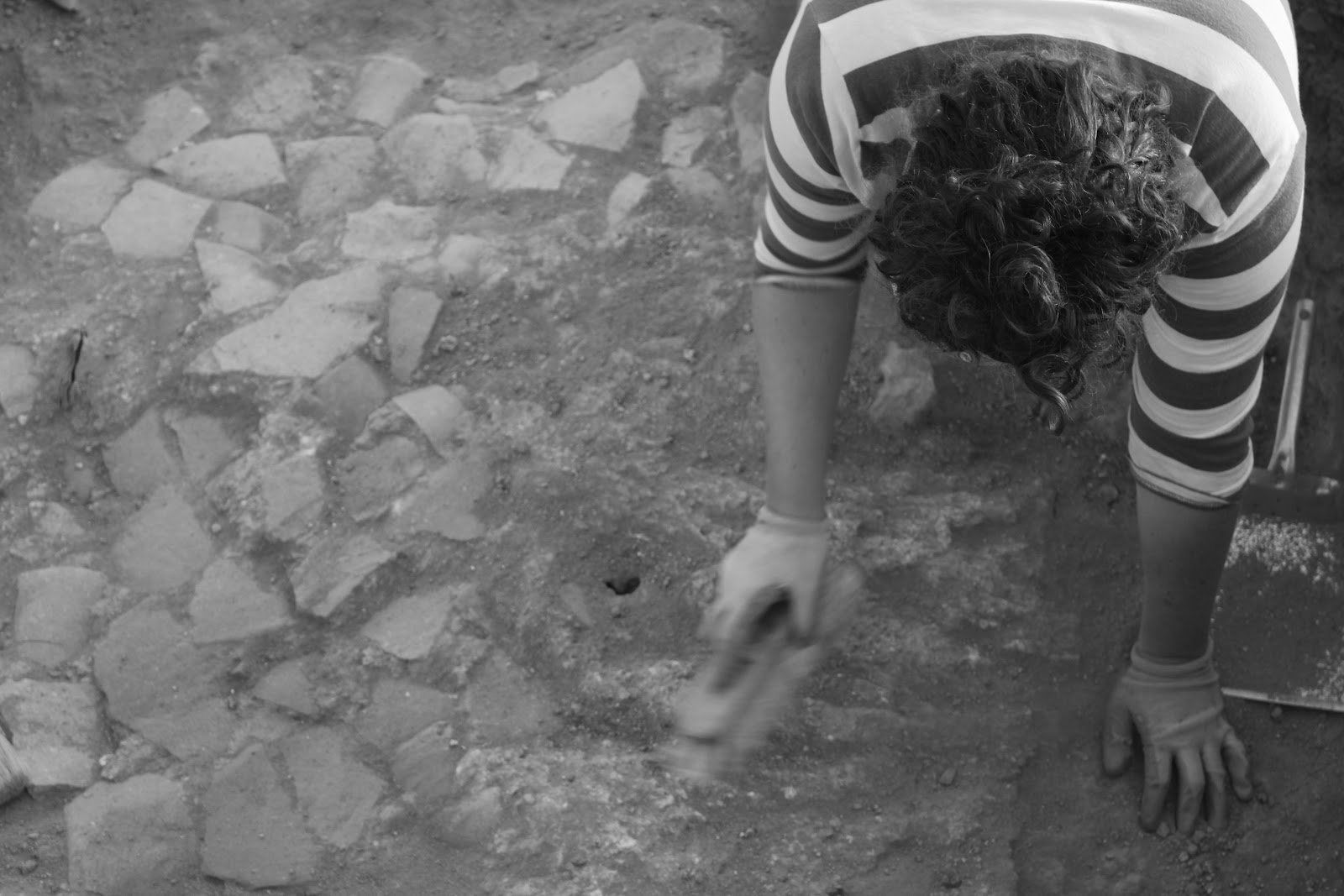
Last week was my first time in the Northwest where there are many features in the trenches. There are also lots of pits though. These pits are created by previous settlers on the site as well as animal holes. It is quite easy to find the pits as the soil is often looser and darker than the surrounding soil. No one likes these pits as it means that we don’t know when all of the pottery in them dates to and part of the level could be contaminated pottery from a later period. This week I found one such pit and I was told to see how far down it went. I dug down as far as I could but the pit kept going and it wasn’t big enough for me to go into it to keep digging down. Hopefully it doesn’t go much further. In the rest of the trench it is common to come into lots of little pits caused by animal burrows which don’t go down very far, but it is still common to find later pottery than you expect in these holes. The biggest pit on site is in the neighbouring trench to the one I was digging in this week and takes up most of the trench. Luckily these pits are really only seen in the Northwest and the rest of the trenches are free of the disappointment of finding them.
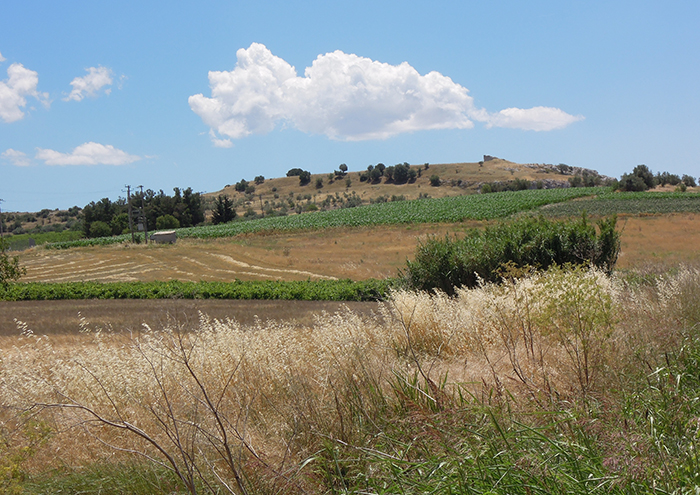
Today marks three weeks of excavation at ancient Eleon in the village of Arma.  Our group has been working very hard, sometimes in extreme weather (rain or high heat). We are currently on short break this weekend for well-deserved rest. Some have gone to Nauplion to explore the archaeological remains of the Argolid (Mycenae, Tiryns, Epidauros), others to Skyros, Delphi or Athens. Some have remained at Dilesi to enjoy the peaceful surroundings and garden so well-cared for by our landlady of the last seven summers, Mrs. Mamoni. We are forever grateful for her hospitality, kindness and generosity.  

Greek Food For Thought

by Roleen Sevillena


Food. The bane of our existence, yet a part of daily life that’s often overlooked.


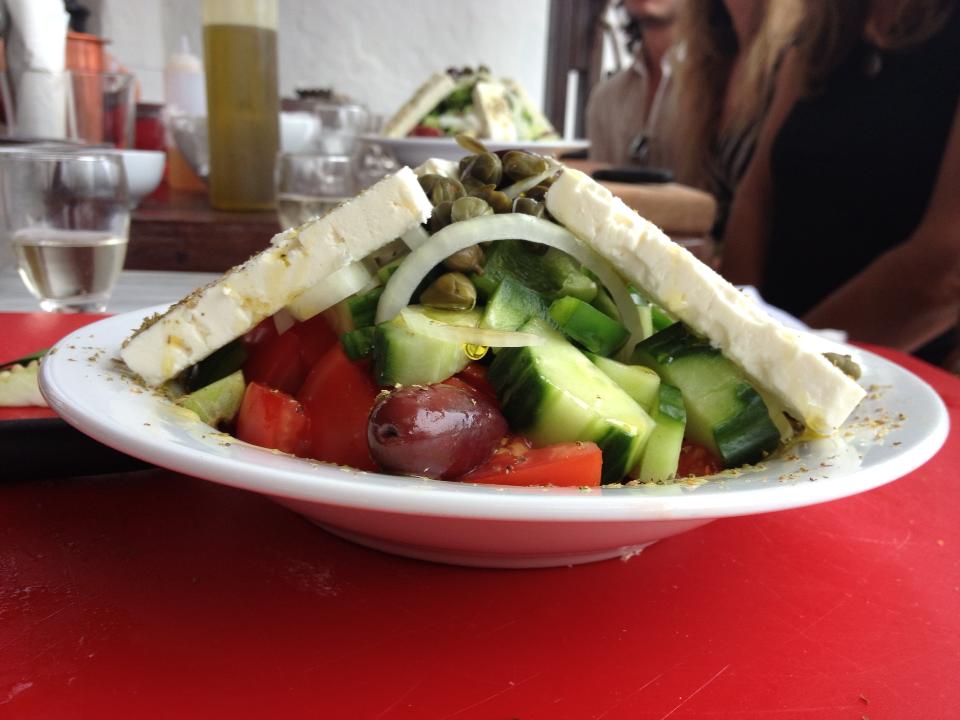
How many of us EBAPers actually know where the tomatoes, cucumbers, onions and olives in our almost-daily horiatiki salatas (Greek salads) were grown? Or what wheat was used to make the pasta in the pastitsio that seems to quickly be devoured once put in front of the group? We may appreciate the Greek cuisine that fills our stomachs and satiates our hungry, hard-working bodies… but how connected are we to all of the ingredients that make up the mouth-watering Greek dishes we so happily consume? All of the moussaka, souvlaki, yemista, saganaki, and gyros. Sure enough, the list goes on and on.


But of course dishes of this kind did not always exist. Before all of the casseroles, grilled meat skewers, baked stuffed vegetables, and pan-fried cheese, diets of the ancients were much less extravagant. Olives and wheat can be speculated to be a large part of ancient Greek diets, especially since they had been recorded on Linear B tablets. Such evidence has been found on tablets mentioning our site of ancient Eleon, expressing not only their connection with the palace at Thebes and economic importance in general, but also their eating habits.


But how is it that we can find out more about the diets of people who lived long before our grandparent’s time?  Sure, written evidence can plant the seed of our ancient diet and agricultural knowledge, but it’s the seeds themselves that can tell us stories about the handling and consumption of food. Through paleobotany, stories about plants and people spring to life.


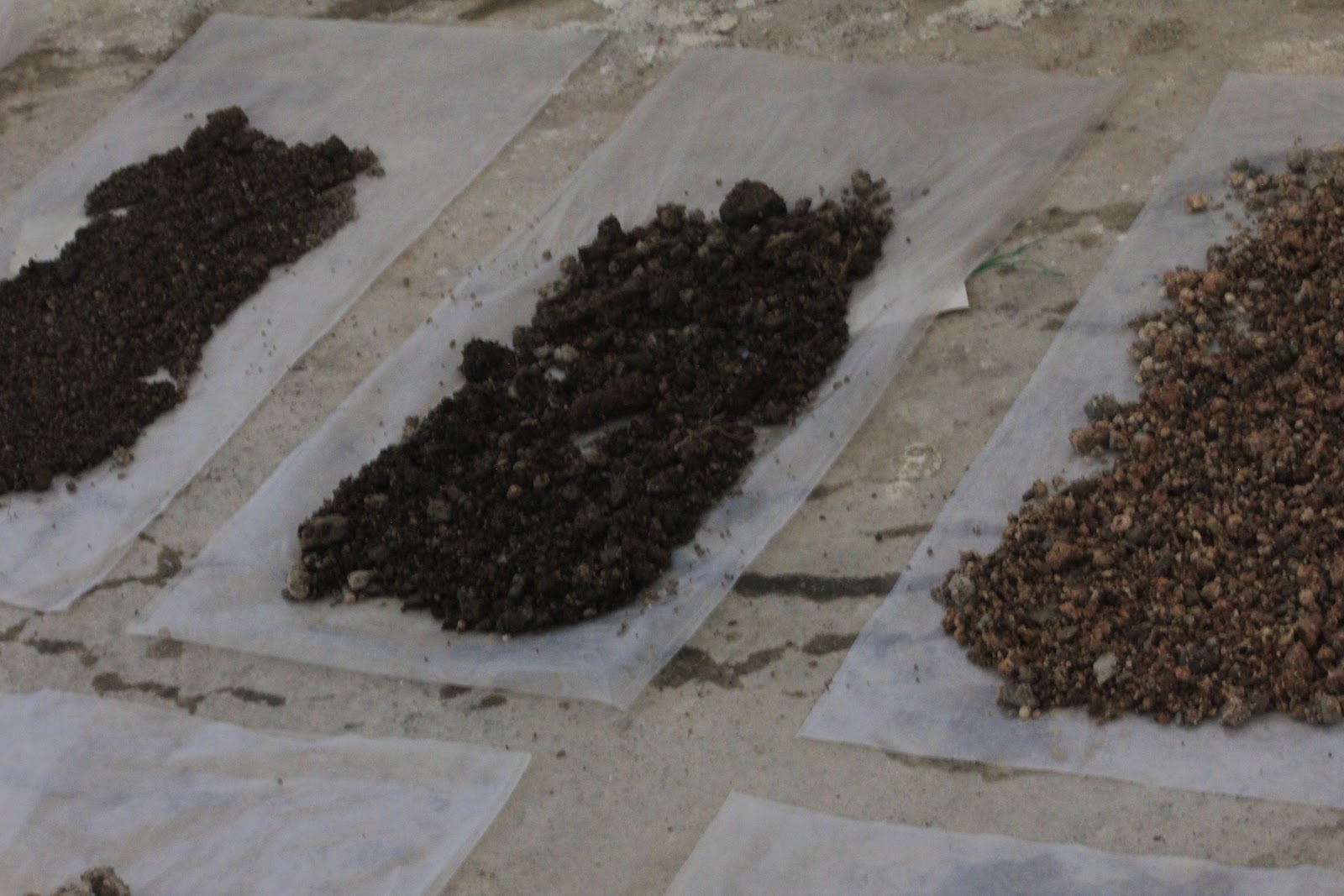
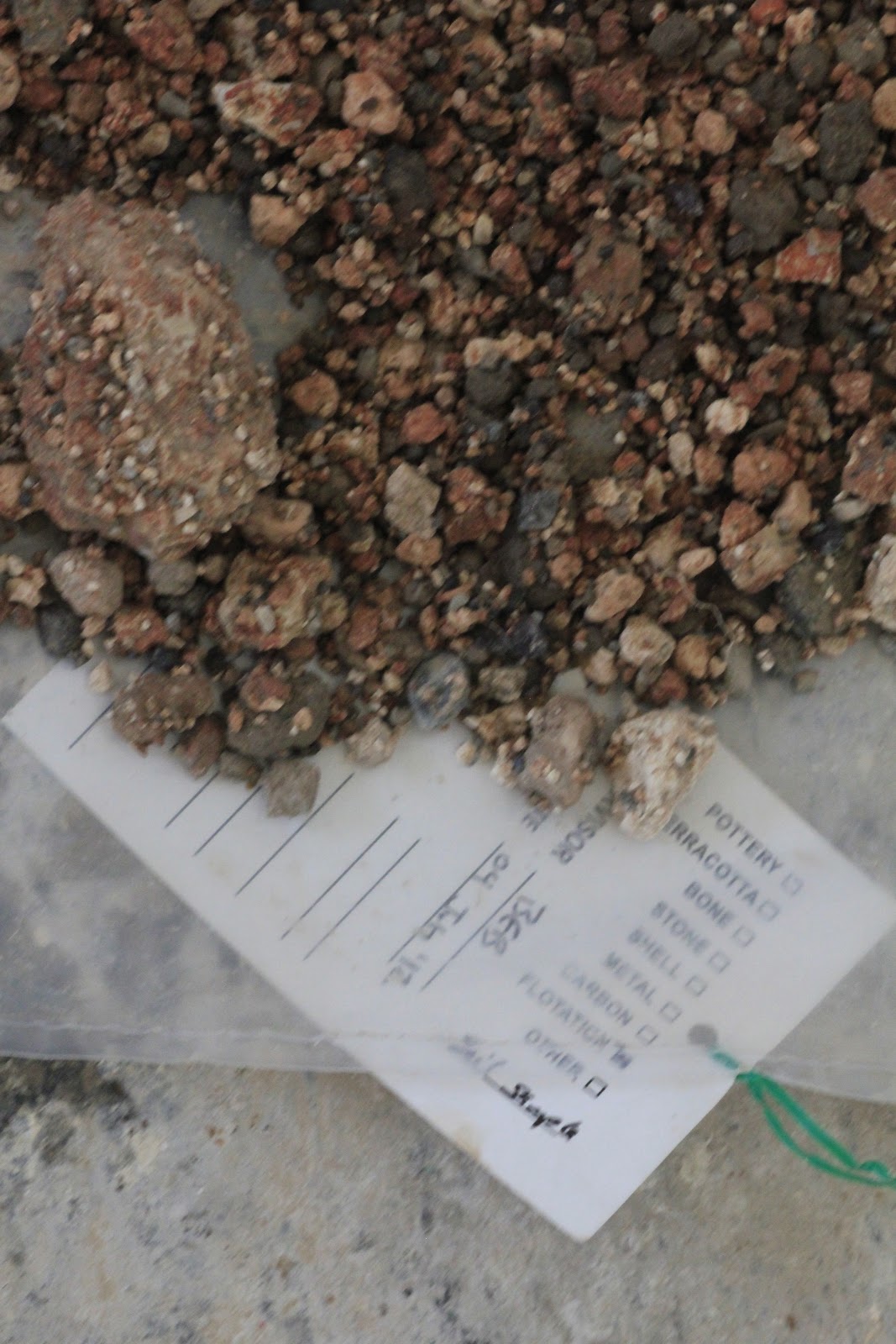
First you must grab a soil sample from the archaeological site in question. Then when put in water the botanical remains separate from the dirt. Such remains will float to the surface. The magic of charred seeds can then be explored. Charred seeds are those that have been subject to hotter-than-humanely-livable temperatures with a scarce amount of oxygen. These fired up seeds preserve the state of the seed, preventing decay and damage, allowing paleobotany enthusiasts to see how food plants were being used in ancient times. Jake, who opened my eyes to such an art, used glume-based wheats as an example of grain not often used for bread. It is through examining grain properties that we can knowledgably speculate how wheat, barley, etc. was processed, stored, and consumed, and the scale at which this occurred.


And that my friends, is what Jake would call the “unsexy truth of the Mycenaean world.” Noting the lack of excitement for the ancient diet of mostly bread and porridge. Jake’s speedy 5 minute garden talk left my brain with a large spurt of paleobotany knowledge along with the craving to learn more about the ancient diet. Although studying charred seeds doesn’t give us the full spectrum of eating habits from the past, it gives us a starting point to say the least.


Greek cuisine and our eating lifestyles in general have shifted significantly since the times of the Mycenaeans. Maybe the next time we eat a fresh Greek salad with local ingredients we can think about how fortunate we are to have come such a long way in our gastronomic endeavors. From growing food plants all the way to preparation, hard work is involved to feed the hungry stomachs of the world. Hunger-satisfying meals made with good, wholesome ingredients do more than give people energy to go about their days; they’re integral to culture and bringing groups of people together, EBAPers included. Learning more about paleobotany during EBAP will not only open doors of knowledge about ancient diets, but can hopefully spark a connection with the people of today and the food that they eat.
 

Rain Day

by Jack Vernon
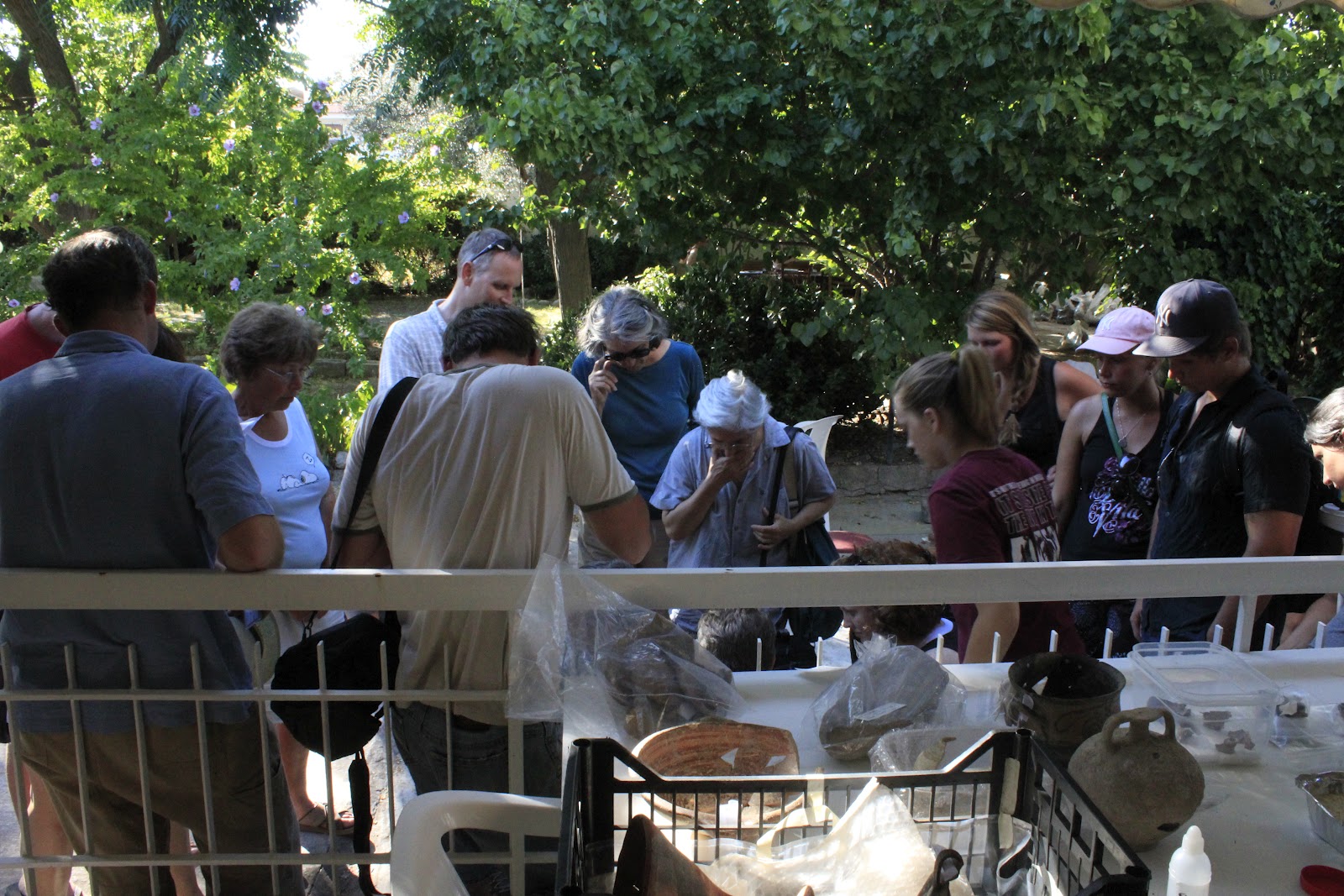
Yesterday started out promising with a few clouds in the sky and the sun visible. The weather quickly turned however and it started raining. Since it also rained two days ago, the ground became wet and muddy very quickly. This meant that we were unable to work in the trenches so we went down to the town’s café for our break. This was quite a long break since it rained for quite a while and Brendan and Bryan needed to decide what to do with everyone. A few of us started a game of Monopoly. After a while the rain let up so a few of us went back to the site to continue with some digging while the rest of the group went to the Apotheke to help the others who were already down there. Those who went to the Apotheke helped draw some of the pottery fragments that we have found, while up at the site we continued digging the two new trenches until it started raining again. We quickly packed all the tools up before they got soaked and went to the Apotheke as well. At the Apotheke we were given a lesson on how to draw the pottery fragments by Tina and how it is possible to figure out the diameter of a vessel simply from a small fragment of the rim. Since the rain wasn’t letting up this time, most of us returned to the house for lunch and the rest of the day off while a few stayed at the Apotheke to continue working. Hopefully the weather improves so we can continue our digging.
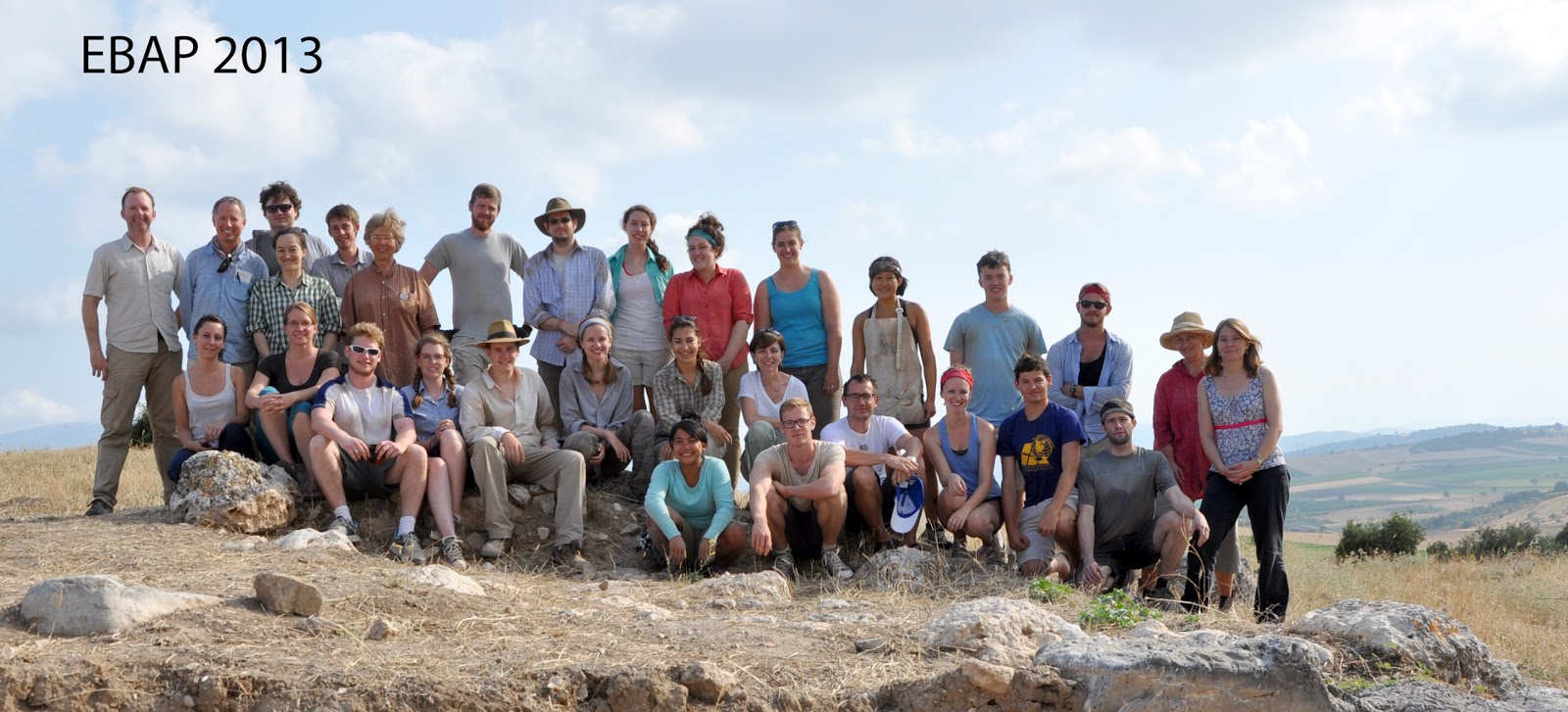
Welcome to the new season – 2013! Our bloggers will soon start posting their thoughts and impressions during their time excavating with us at Eleon in eastern Boeotia.  We have a large crew this year – numbering 35 all together.
Work is continuing at our site located in the village of Arma, where our neighbors have welcomed us back and have been extremely helpful! We even have running water onsite now, thanks to Spyros Davros the president of Arma. Weather has been very cooperative also – cool mornings and good heat in the afternoons. We are also making use of our apotheke located close by where analysis and drawing of finds are underway. Stay tuned for reports on various aspects of our work!
Bryan Burns
Brendan Burke

Photographic Evidence III

by Genevieve Hill
The last photoblog of the season. When time and place shall serve I’ll post some photos from past seasons. For now, here’s what we’ve been up to in our last week.

MM: contortionist


KS – trench Yoga


Mitrou comes to call


CMK & VK


G drawing


V making shade


MB and Loc.9


Bones and pots


Flotation samples


more…


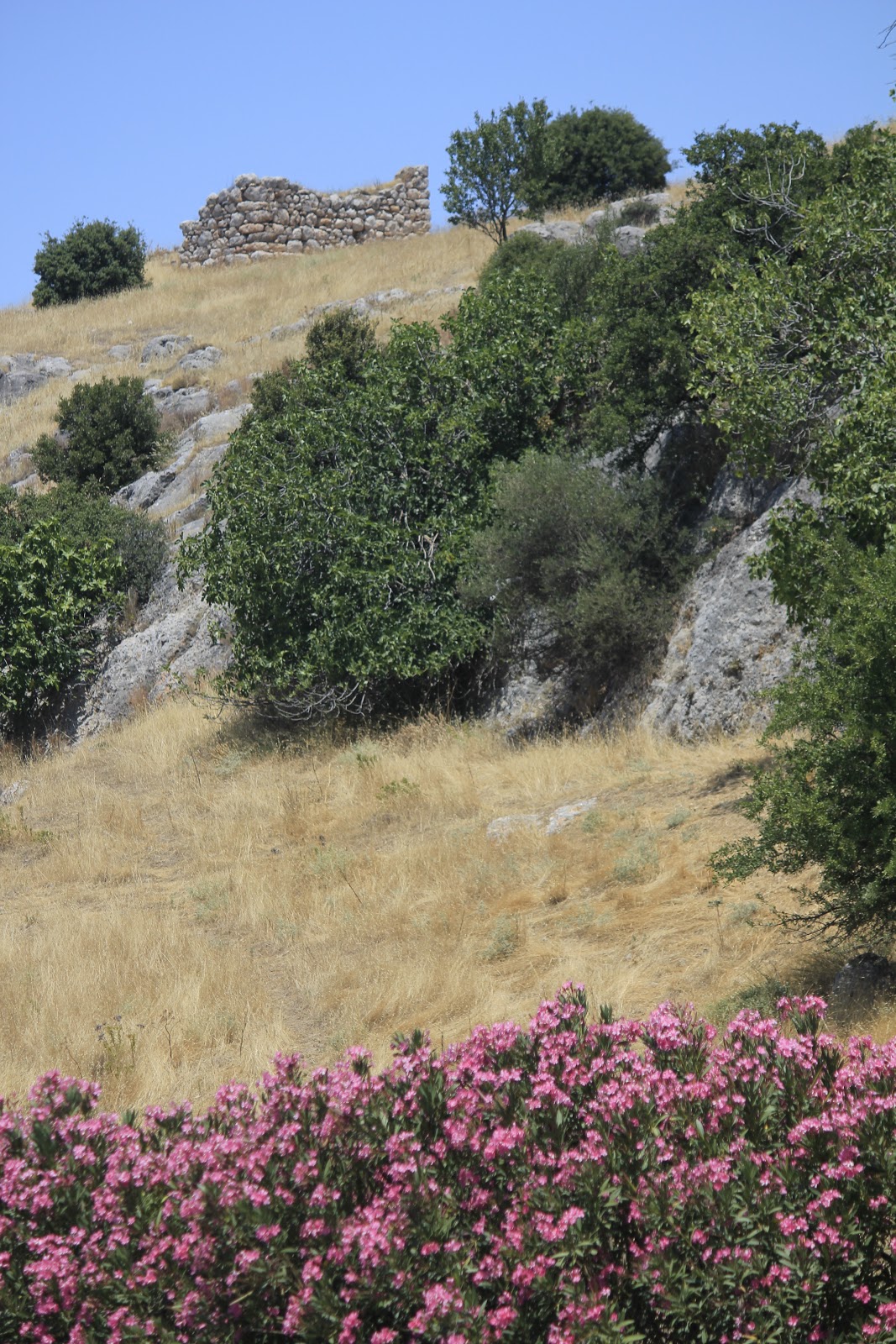
Looking northwest to the tower


View from the south


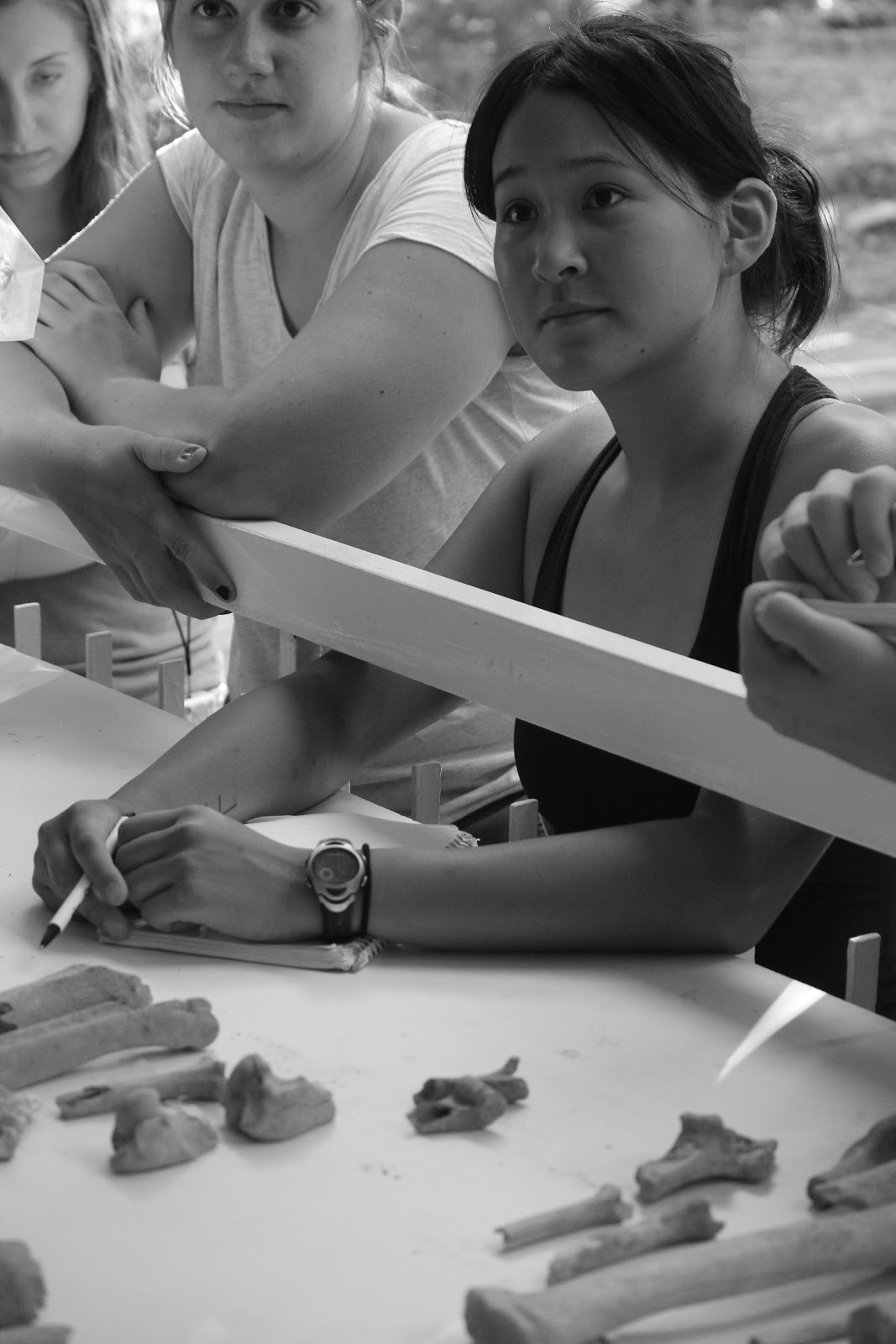
MB and KS lecture on bones


Attentive students


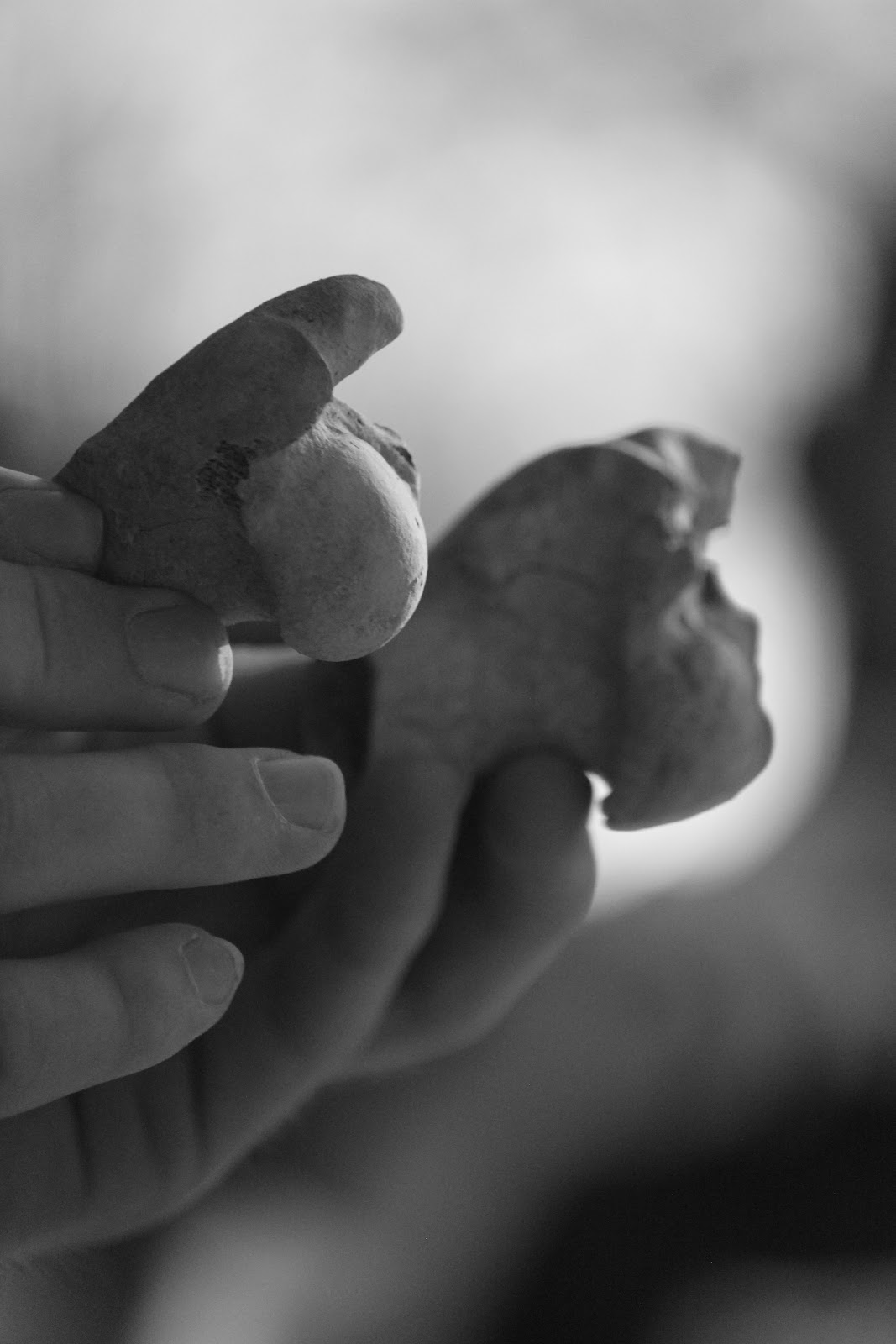
Comparison…


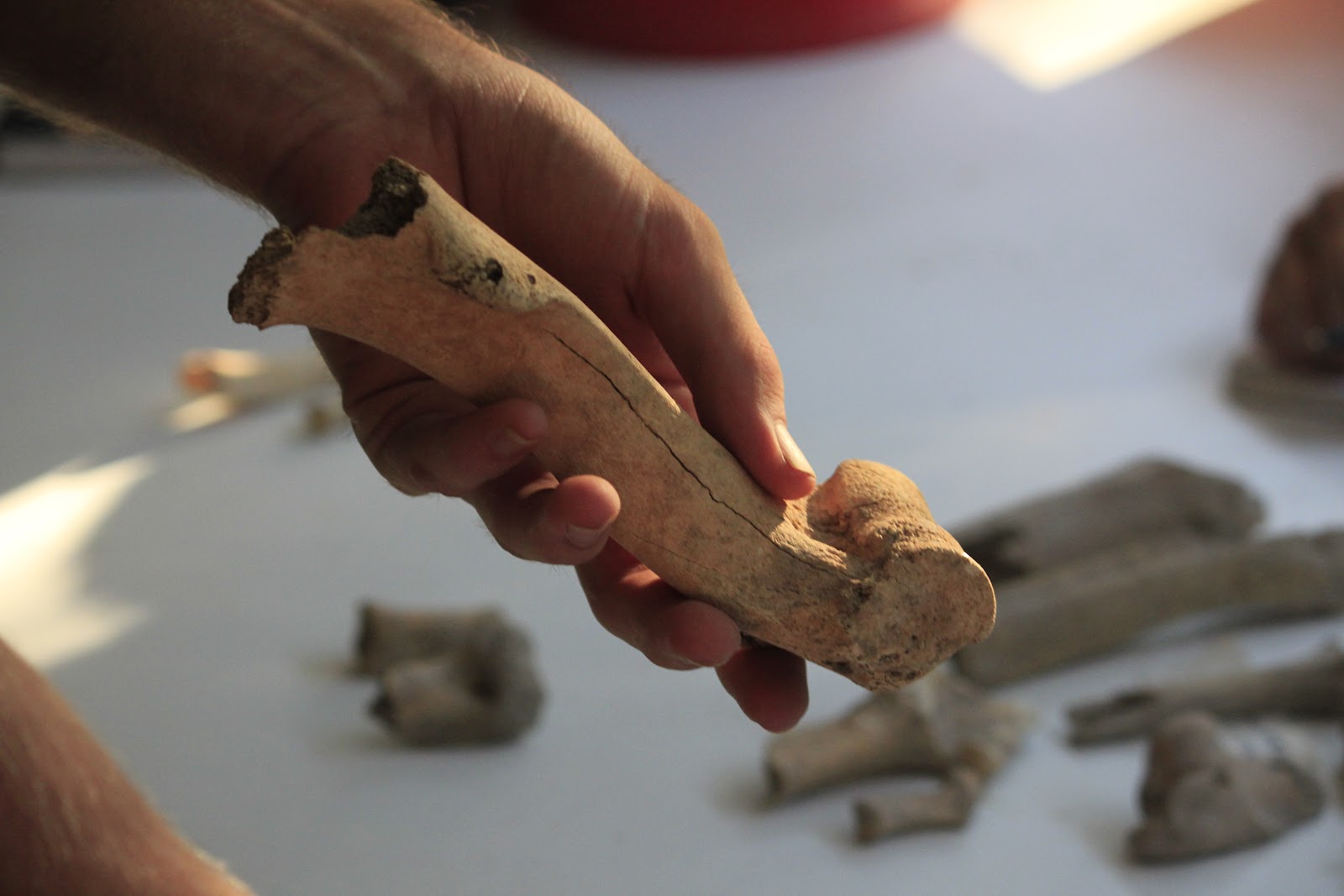
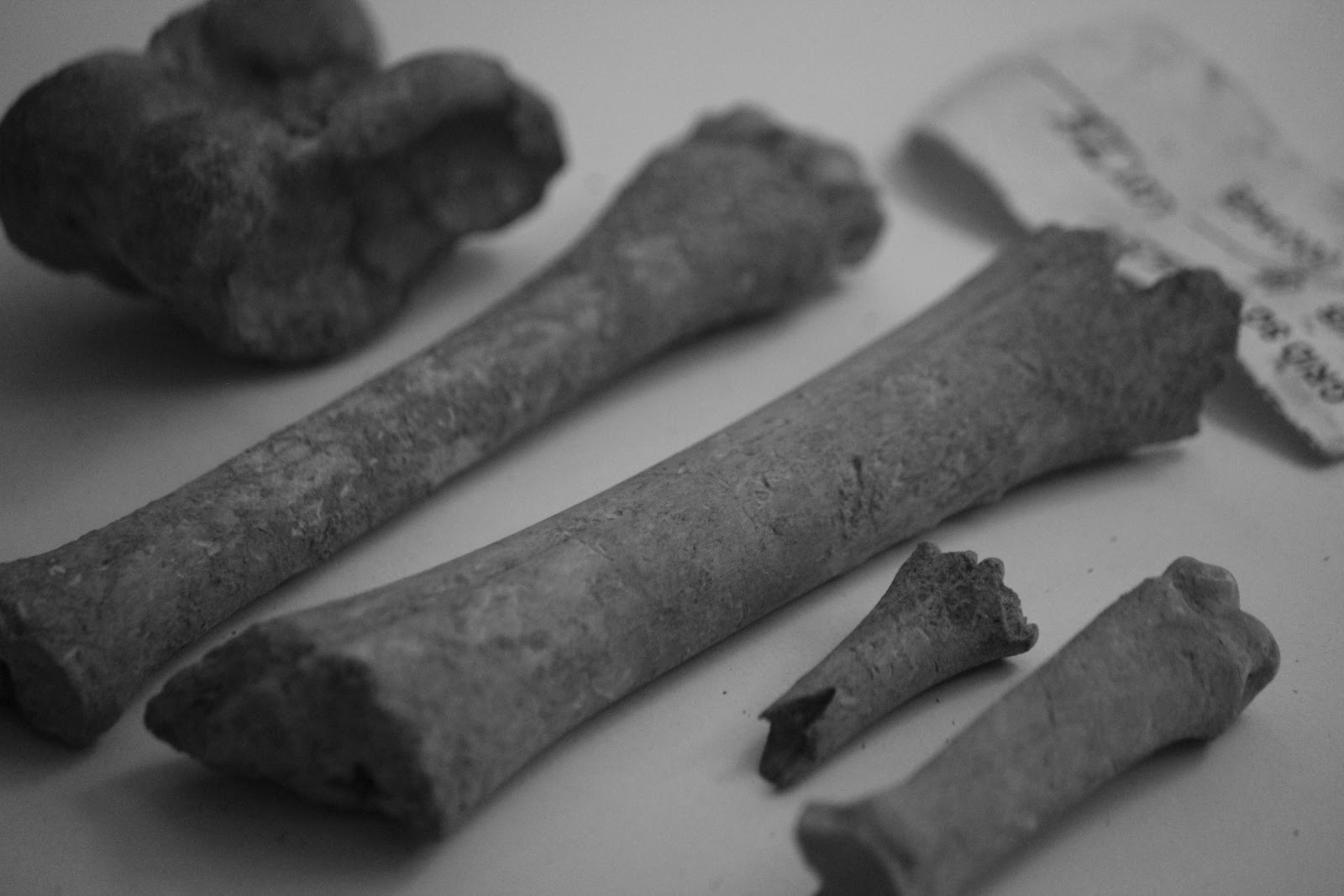
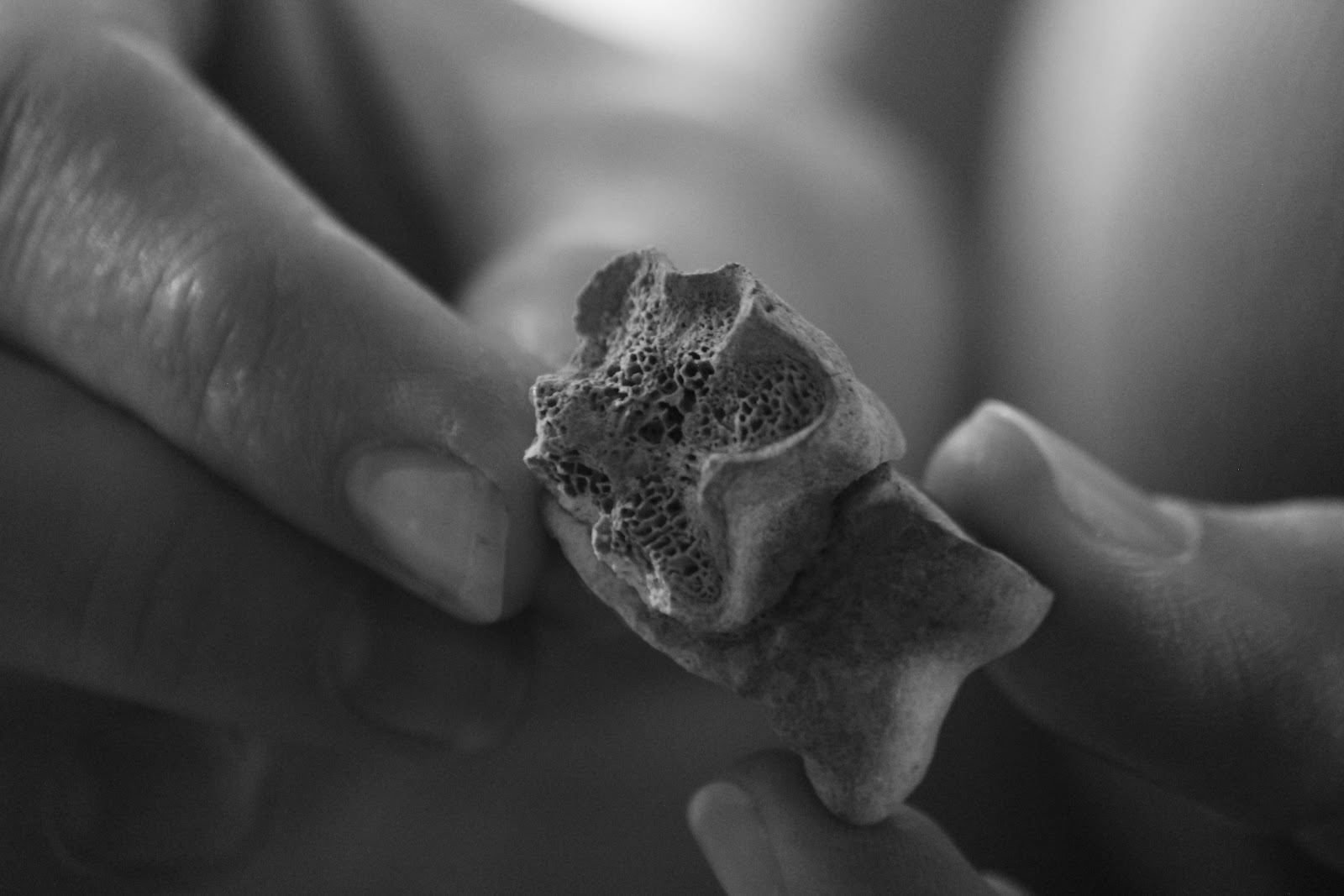
Our bones


Odd bones


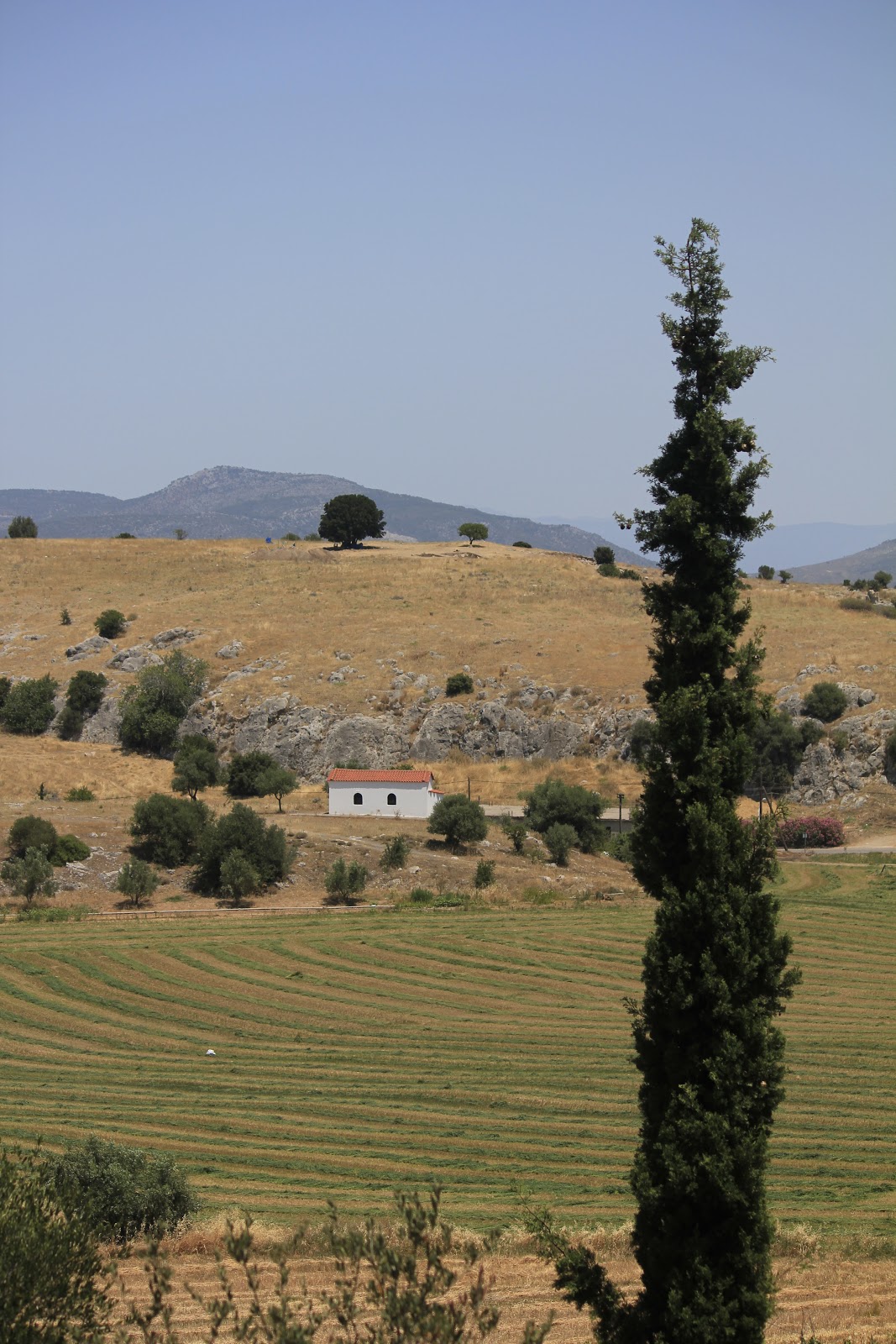
East


NW B2c


SB sweeping


MC cleaning


RBB pleased with something


TVD’s gonna getcha


TVD by TVD


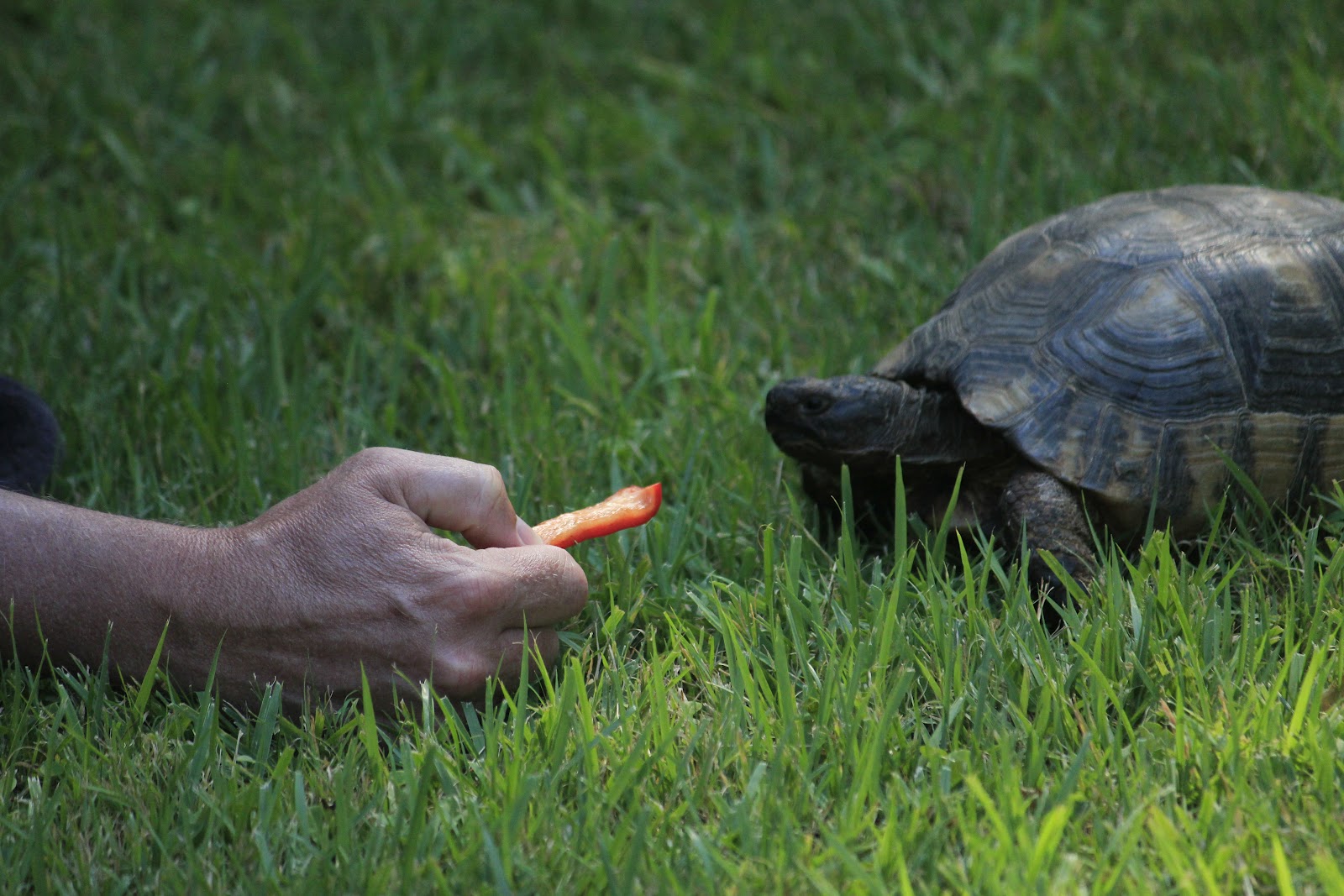
Canadian Ambassador’s turtle
JB taking a well deserved dip


MB – chuffed.


KS’s delicious thingies.


BEB pontificating at the Ambassador’s pad


The Gazi crowd


MM as a dying poet


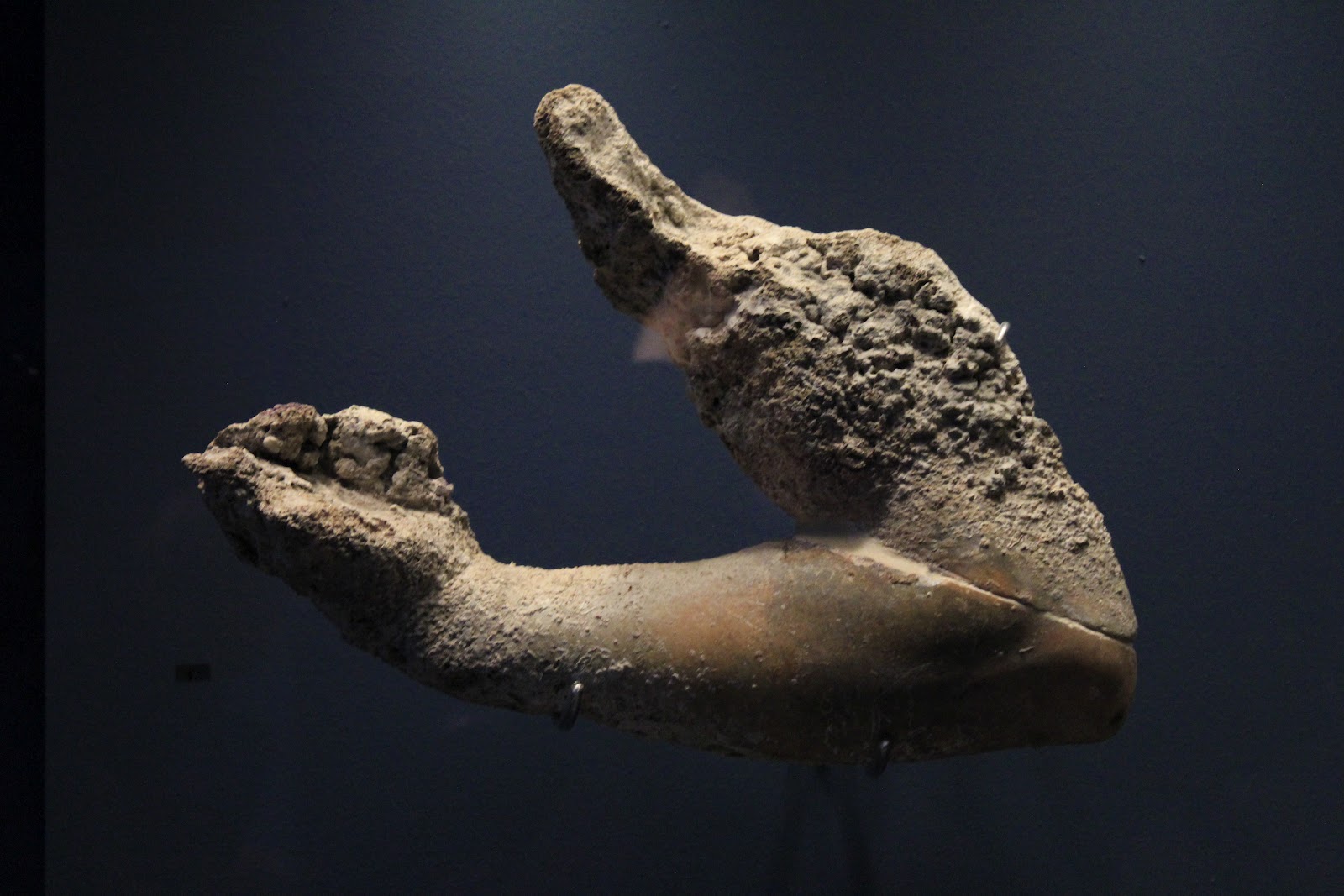
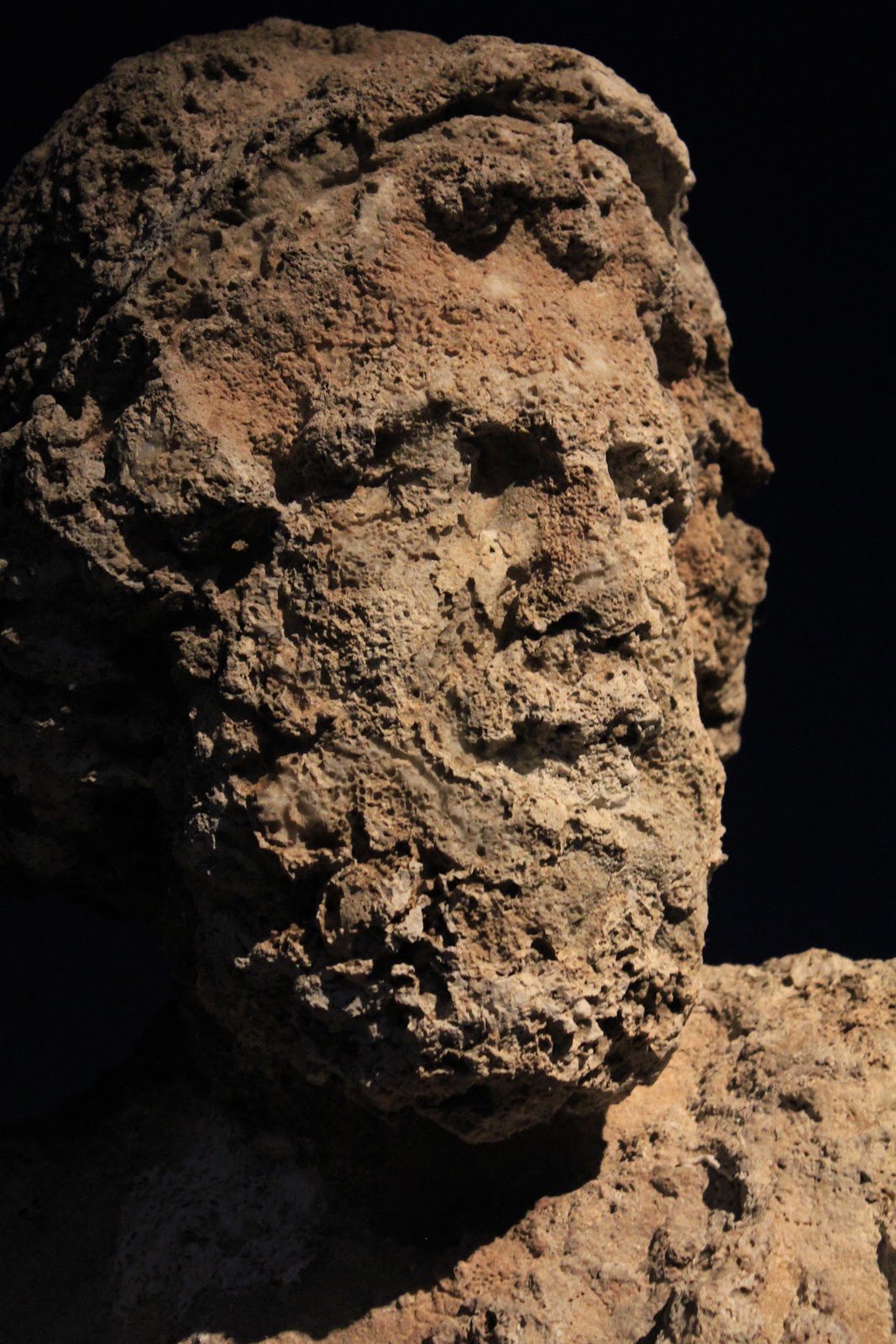
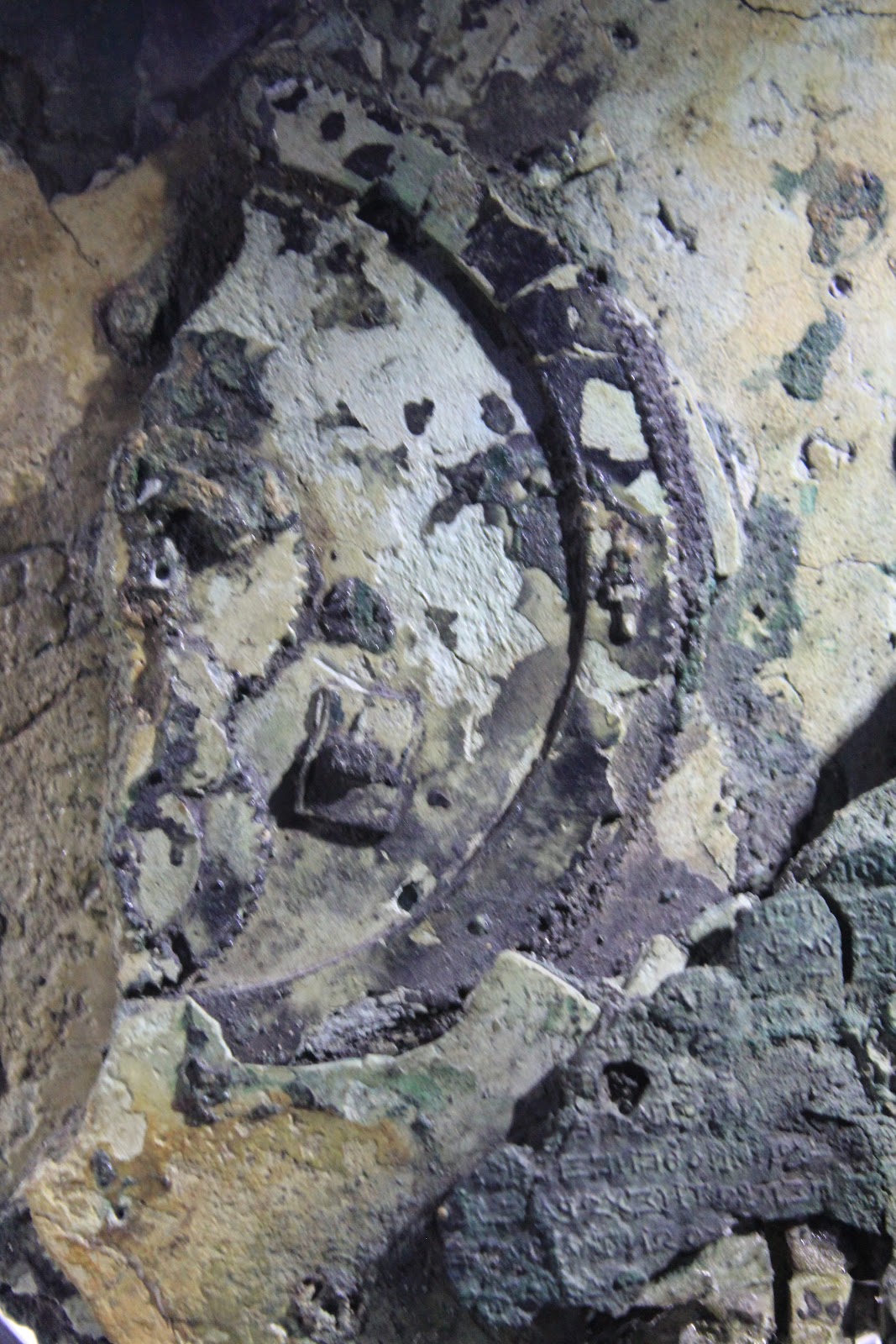
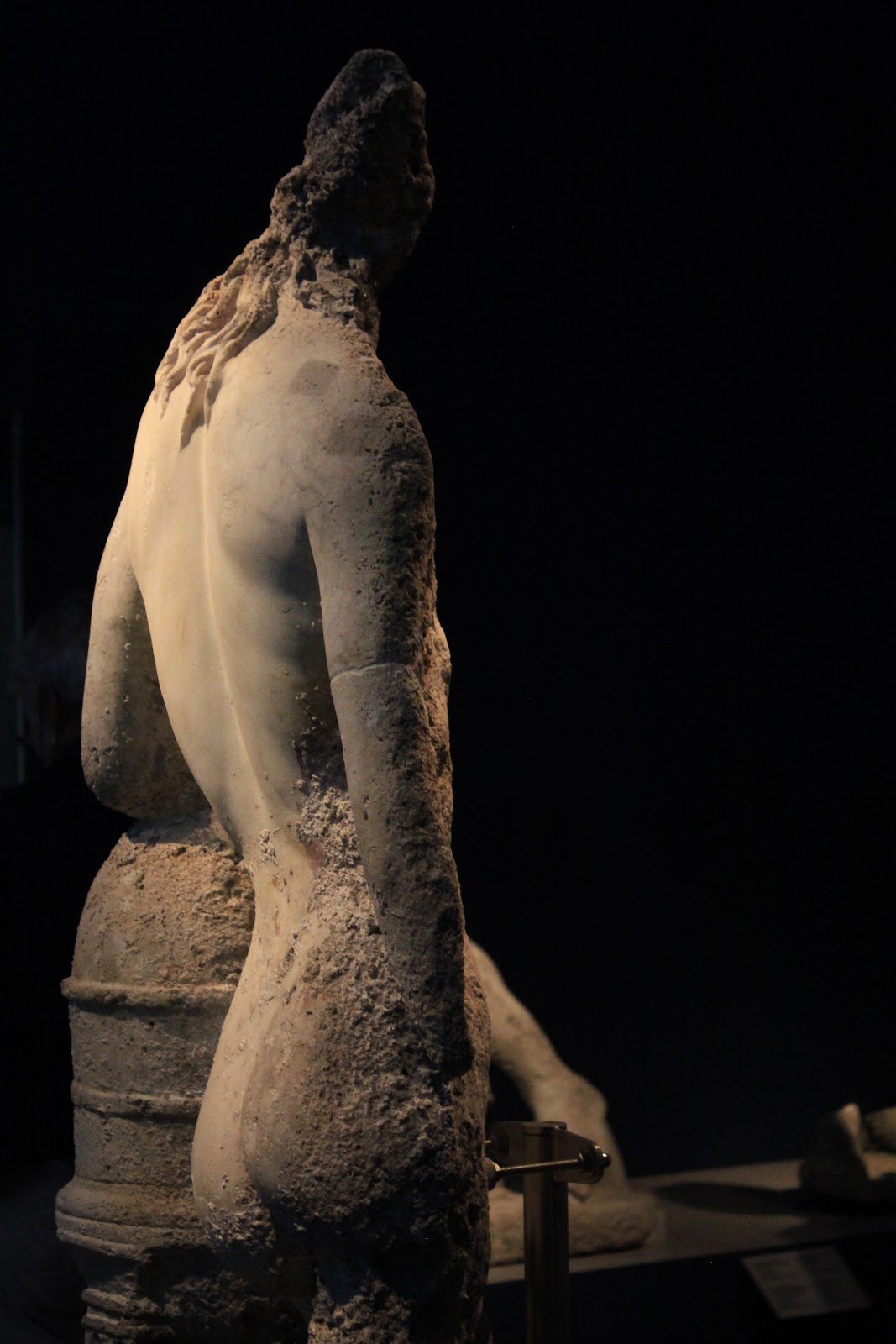
Antikythera sculpture


Devoured by the sea


Beardy… some things cannot be destroyed.


The mechanism.


Athens…