by Roleen Sevillena
![]() |
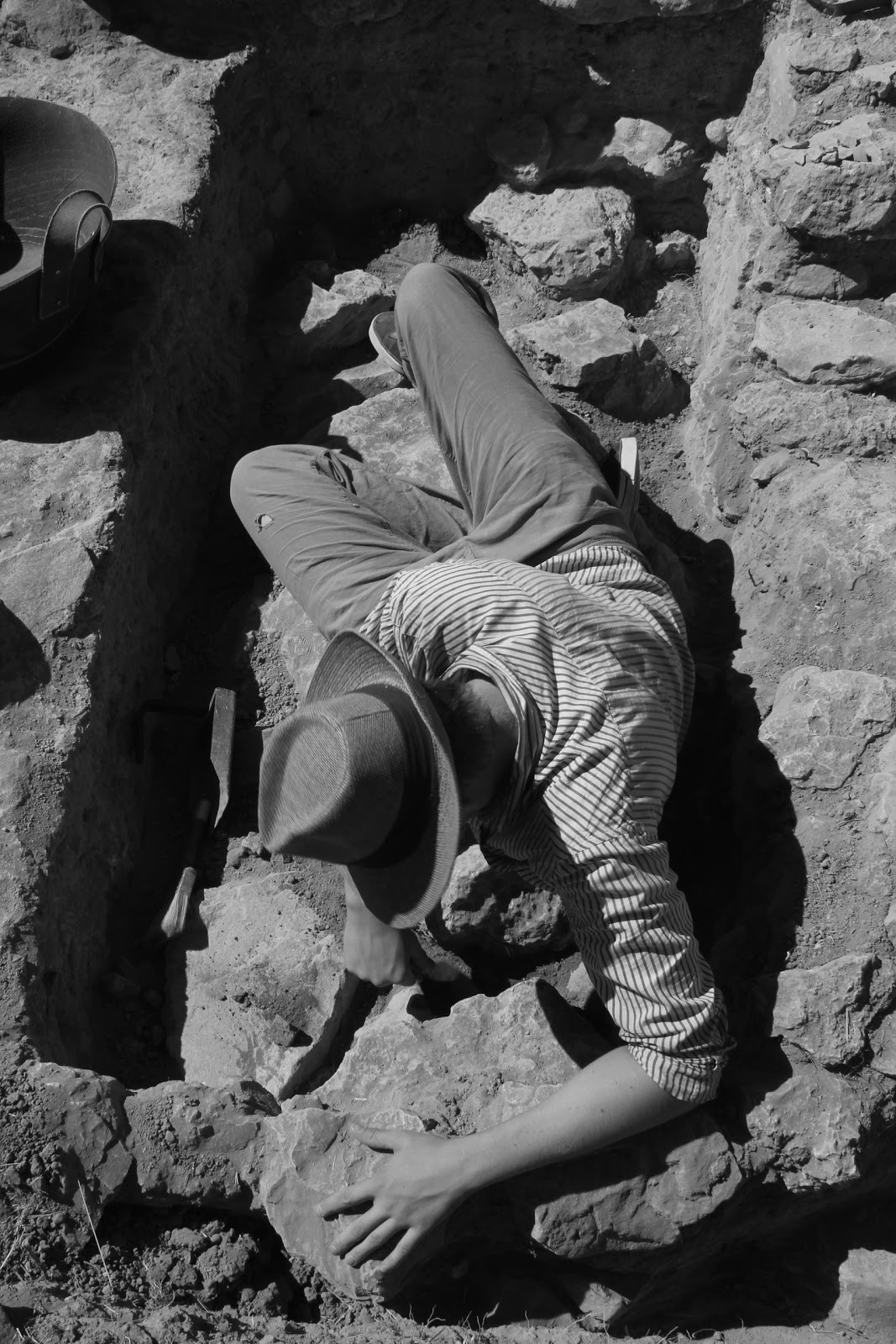
| MM: contortionist |
![]() |
| KS – trench Yoga |
![]() |
| Mitrou comes to call |
![]() |
| CMK & VK |
![]() |
| G drawing |
![]() |
| V making shade |
![]() |
| MB and Loc.9 |
![]() |
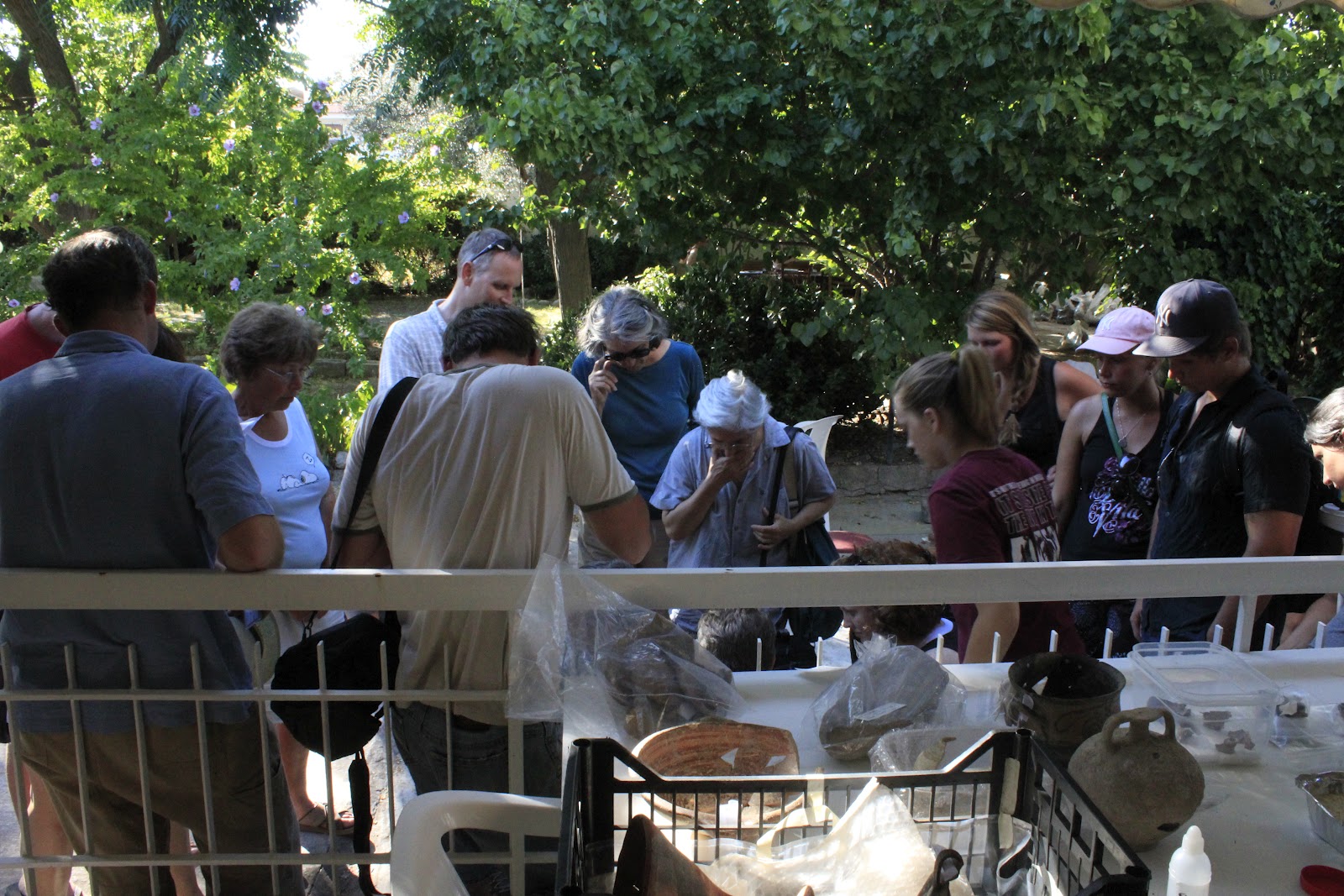
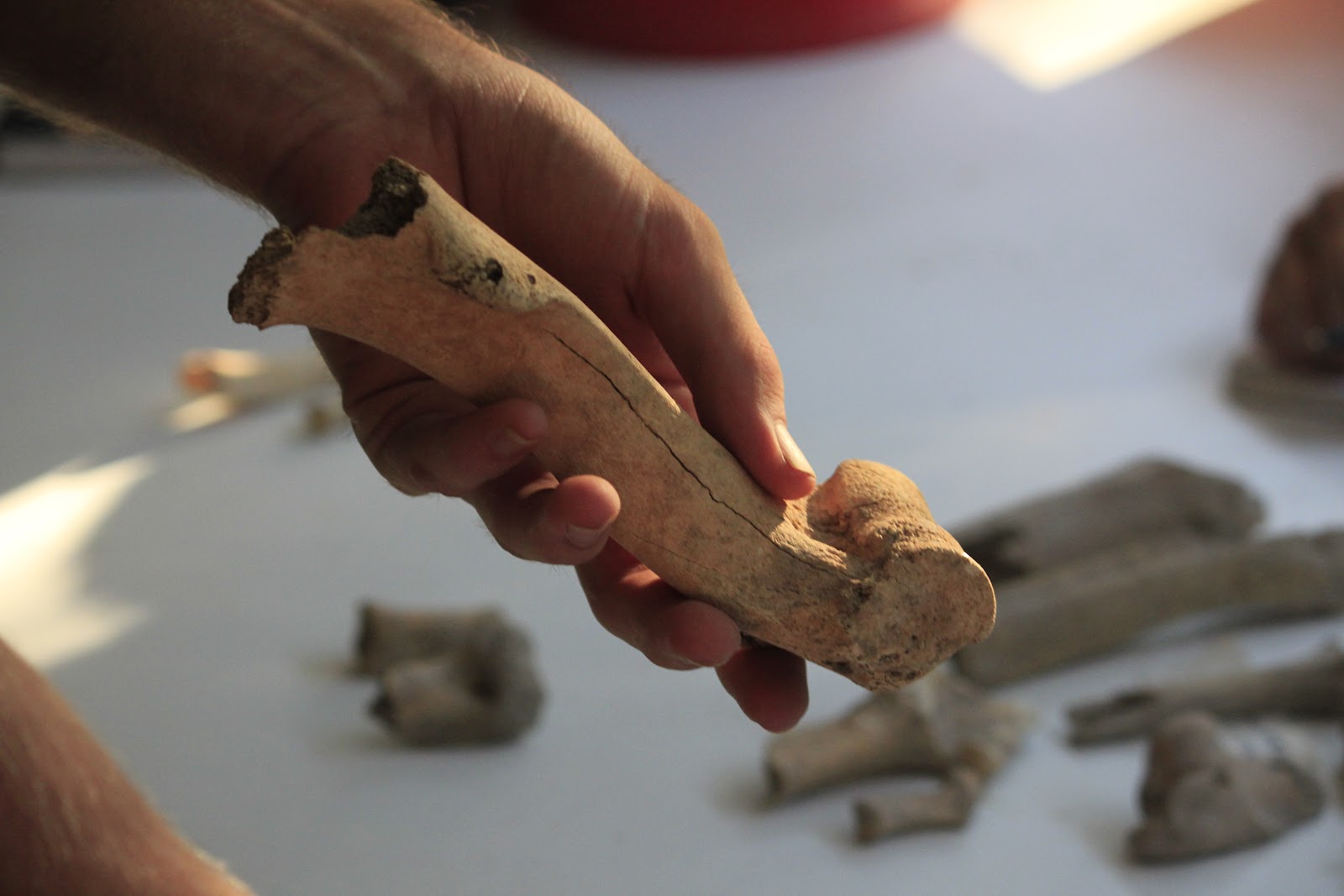
| Bones and pots |
![]() |
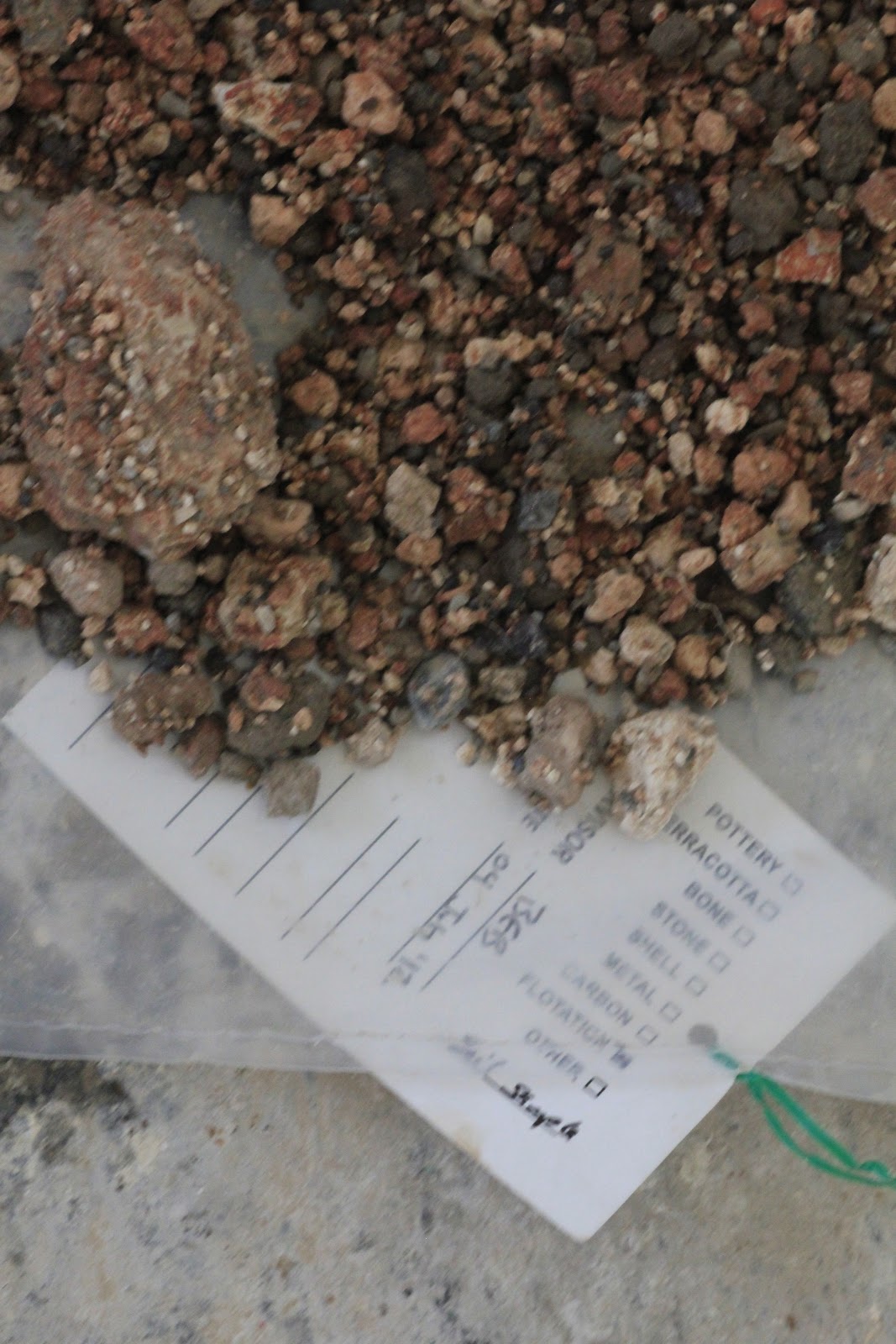
| Flotation samples |
![]() |
| more… |
![]() |
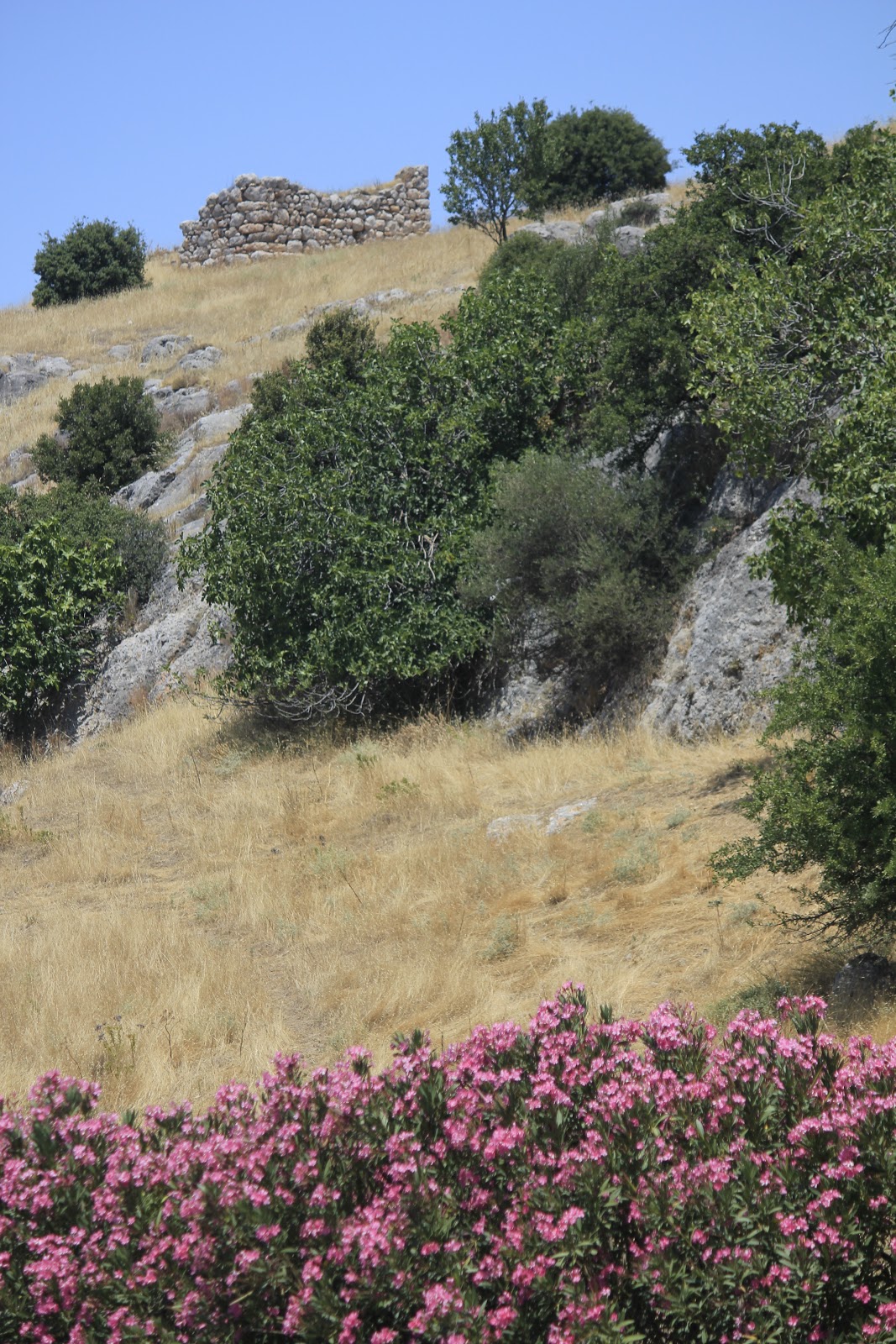
| Looking northwest to the tower |
![]() |
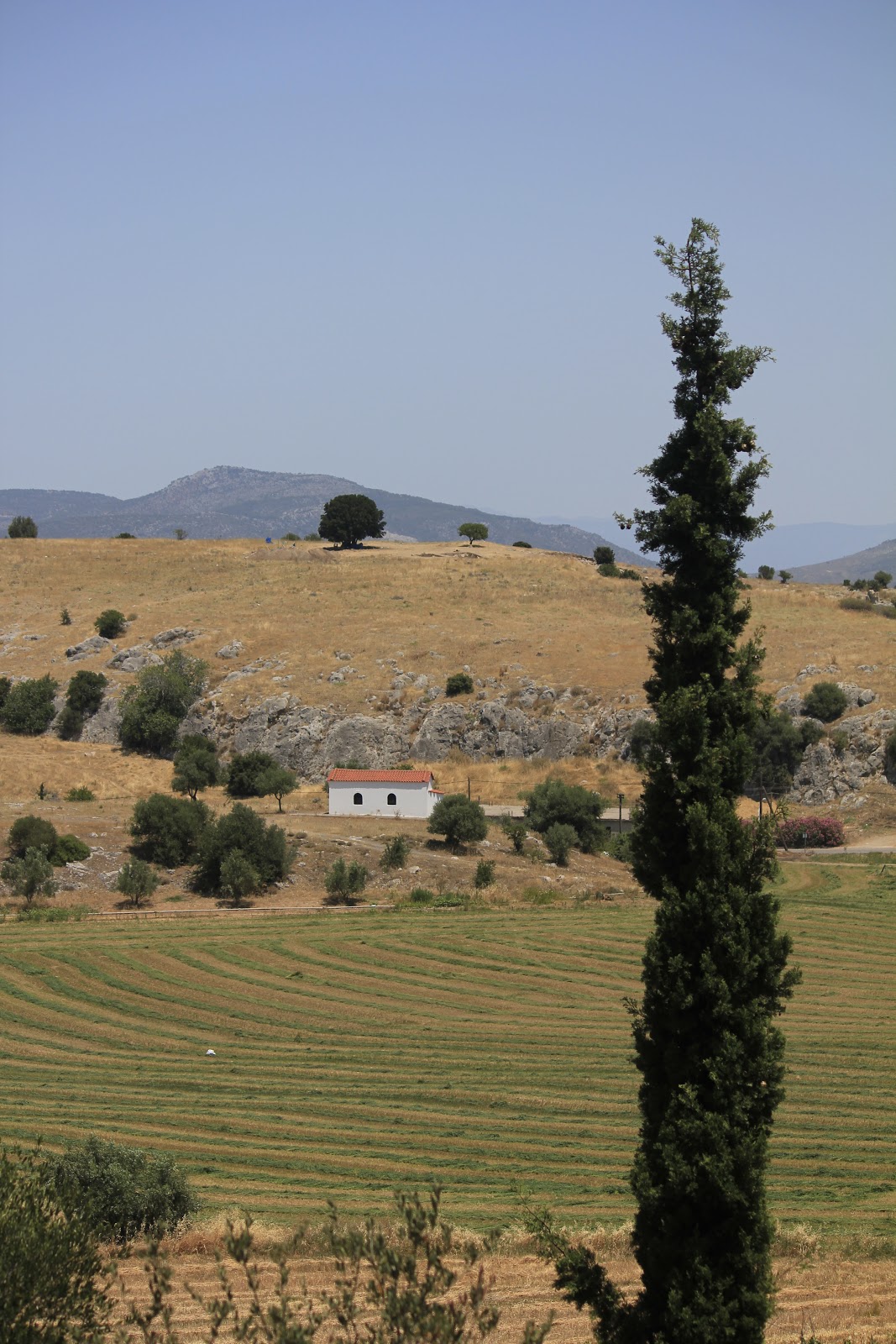
| View from the south |
![]() |
| MB and KS lecture on bones |
![]() |
| Attentive students |
![]() |
| Comparison… |
![]() |
| Our bones |
![]() |
| Odd bones |
![]() |
| East |
![]() |
| NW B2c |
![]() |
| SB sweeping |
![]() |
| MC cleaning |
![]() |
| RBB pleased with something |
![]() |
| TVD’s gonna getcha |
![]() |
| TVD by TVD |
![]() |
| Canadian Ambassador’s turtle |
![]() |
| JB taking a well deserved dip |
![]() |
| MB – chuffed. |
![]() |
| KS’s delicious thingies. |
![]() |
| BEB pontificating at the Ambassador’s pad |
![]() |
| The Gazi crowd |
![]() |
| MM as a dying poet |
![]() |
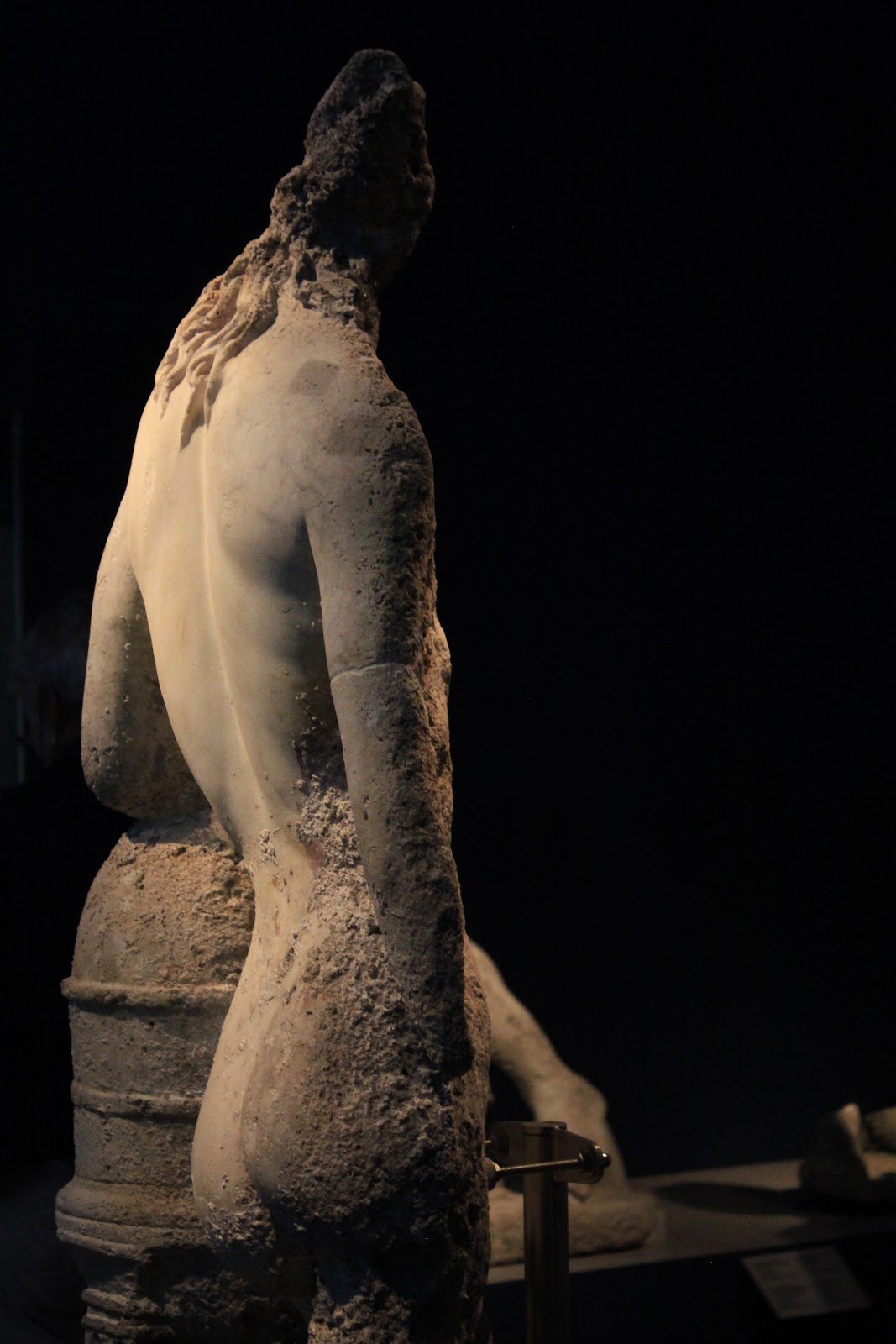
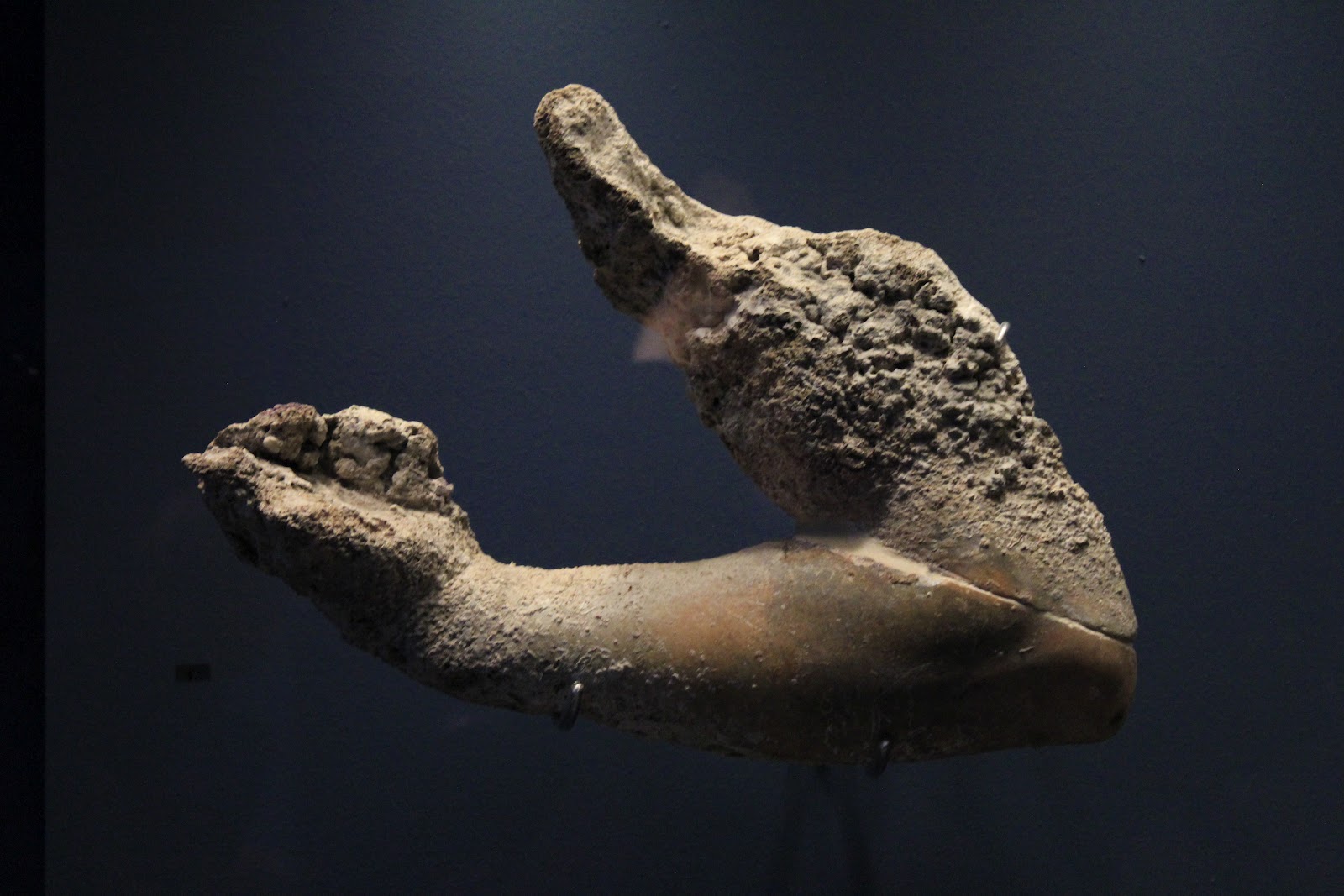
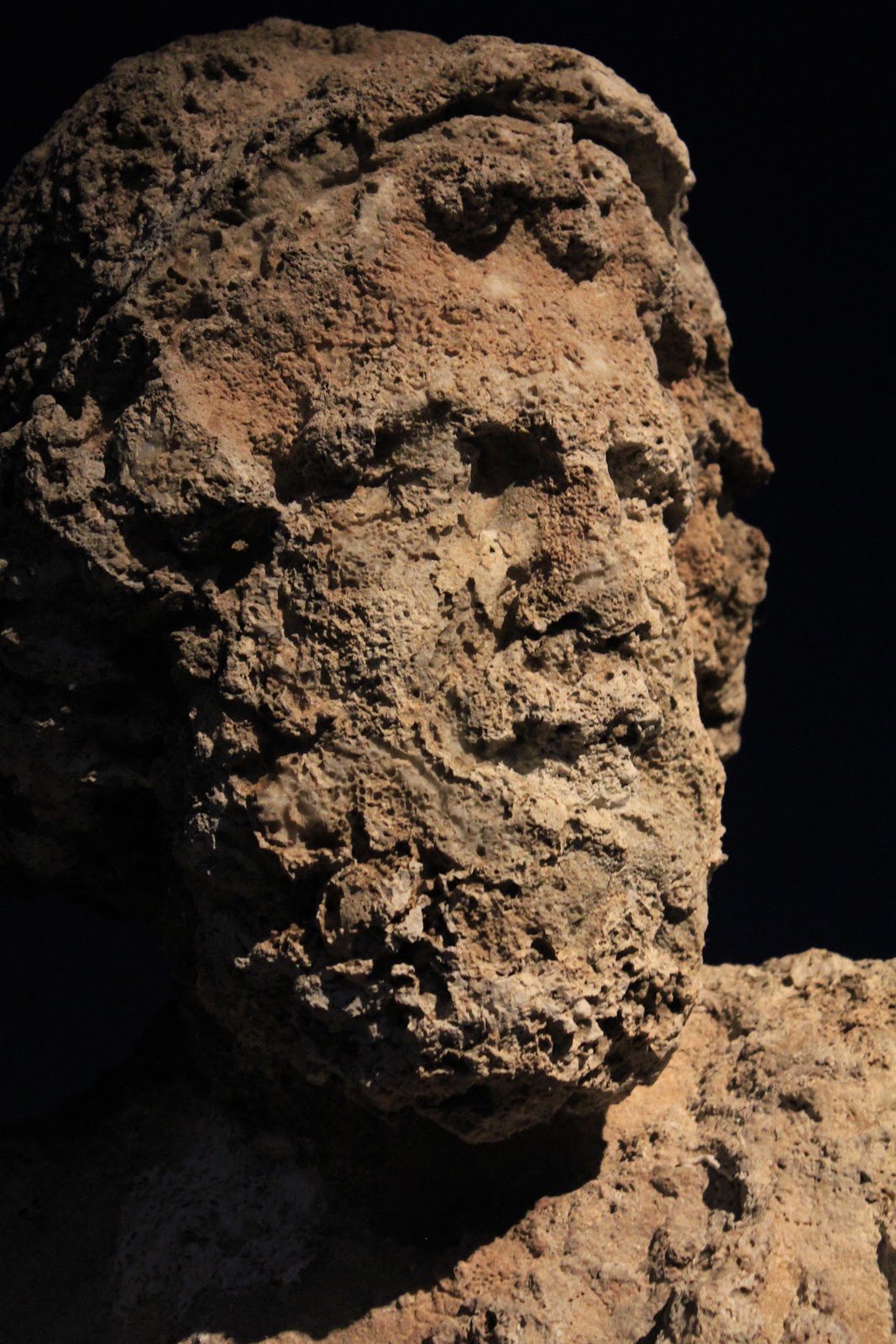
| Antikythera sculpture |
![]() |
| Devoured by the sea |
![]() |
| Beardy… some things cannot be destroyed. |
![]() |
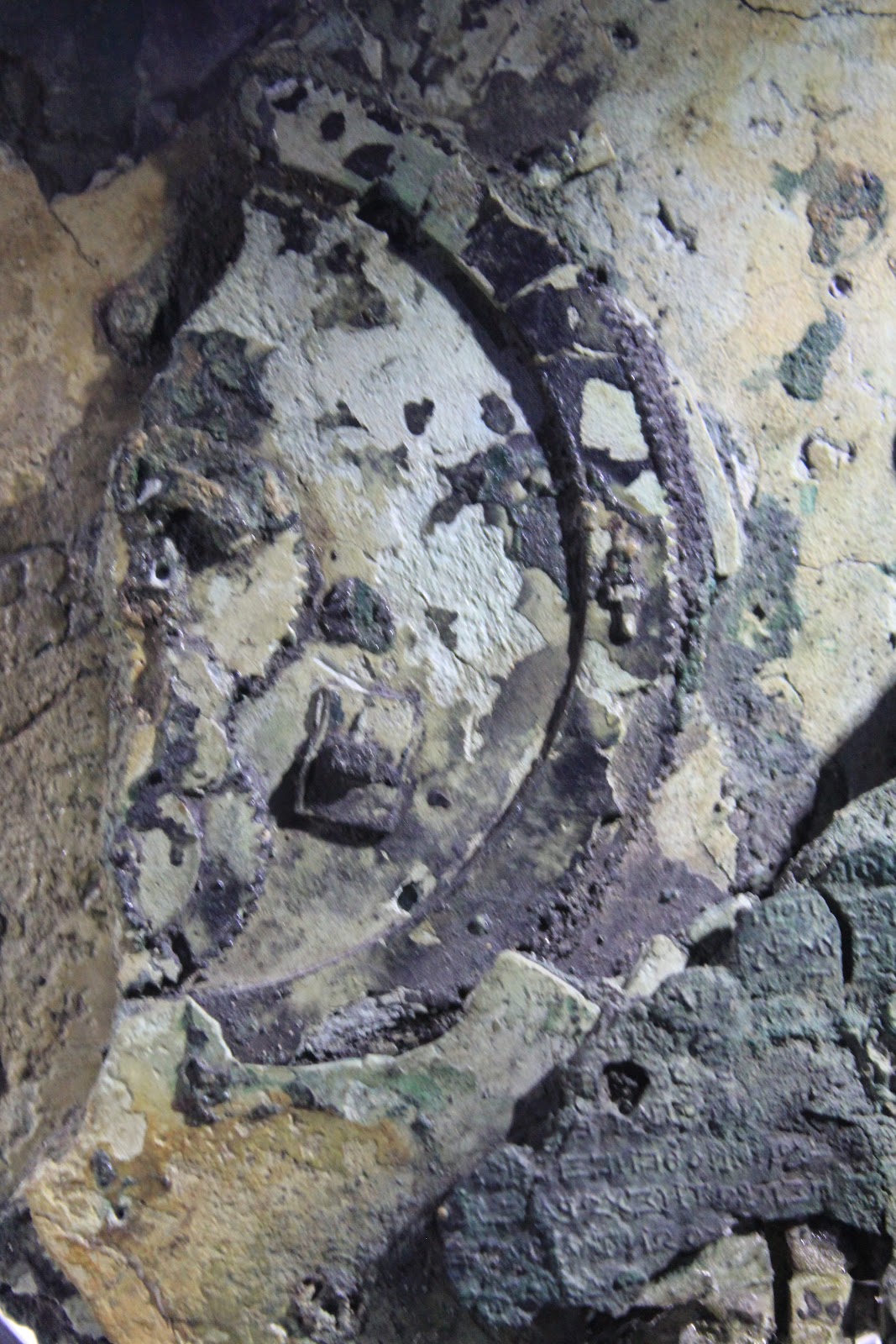
| The mechanism. |
![]() |
| Athens… |
As EBAP rushes frenetically to its final days of the season, I thought only a badly written sonnet (a slightly plagiarized one) could properly express the depth of my feelings towards my beloved trench.
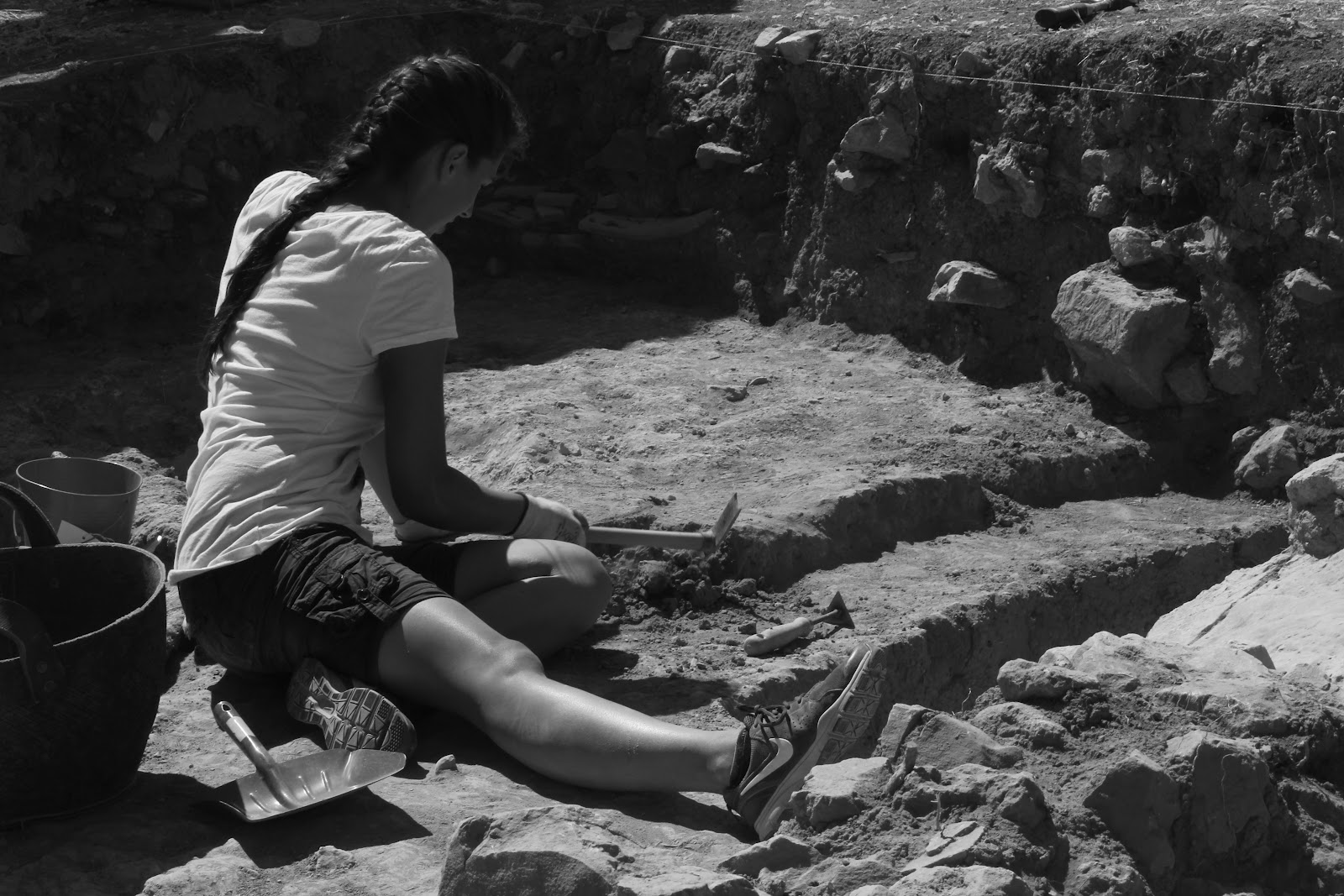
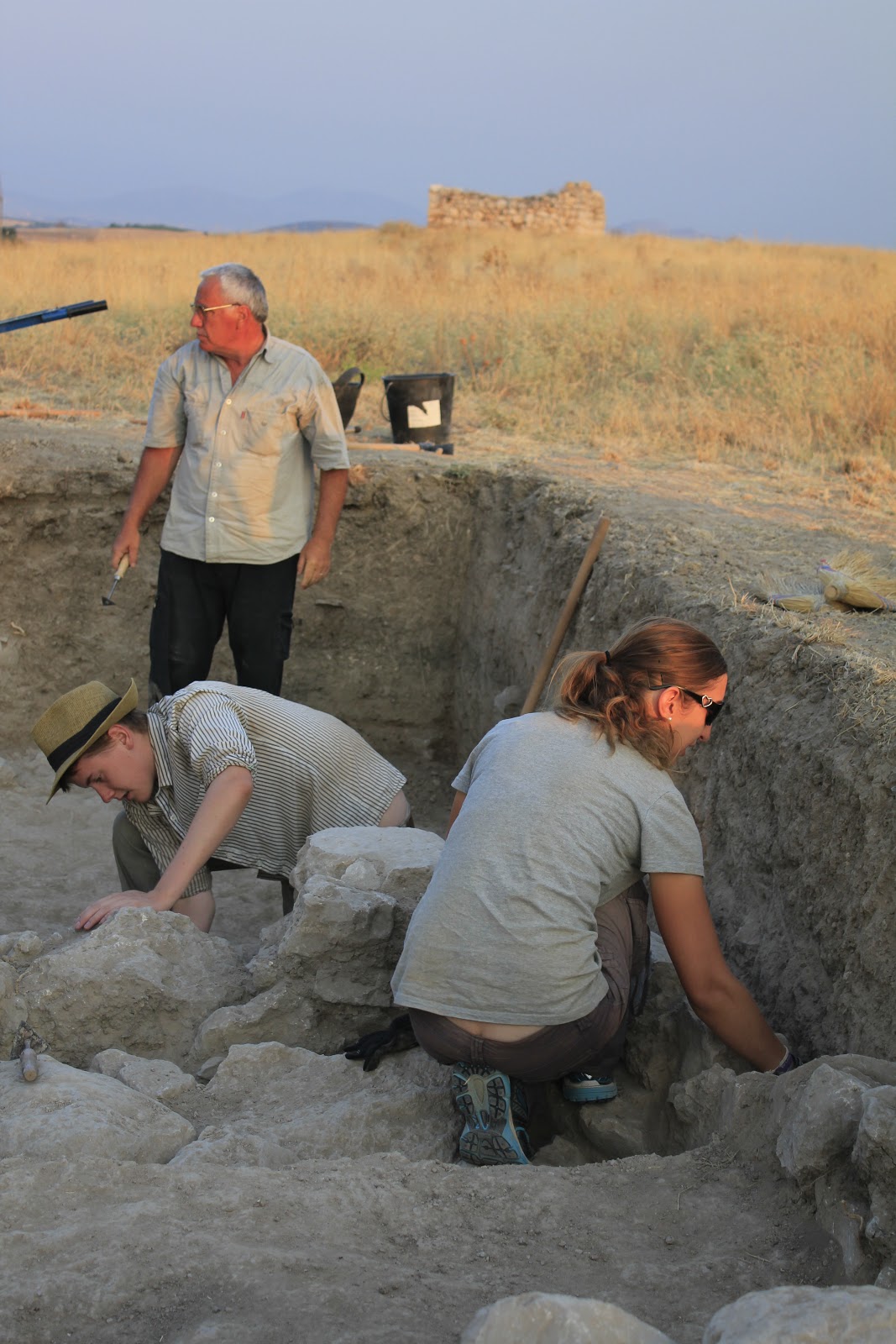
Well it has been an awesome five and a half weeks here at EBAP we’re all very tired and hot, hot, hot! We’ve ended most of our efforts in the trenches this week, save for the few brave souls left in exile at what our Game of Thrones obsessed team has simply dubbed “The Wall.” This week the rest of us are experiencing the other aspects of archaeology that don’t involve a kazma or karotzi. There are pottery records to be filled out, sherds to be photographed and data to be entered into the computers, it’s not always exciting, but it’s an interesting experience and can still be lots of fun.
Data entry takes patience. It can be very relaxing and cool, unlike other jobs during the day. It requires you to type up the written reports from each separate locus and lot in each trench. A locus represents a feature of a trench such as a structure or a change in soil consistency (usually it’s latter) whereas a lot is simply the order that excavation takes place within the trench. Each locus and lot have there own pottery sherds that need to be examined, processed and recorded, the finished record is sent to the data entry person who enters it into the computer. There are many, many, many sheets that need to be entered. People working data entry also enter other finds from the site, as well as flotation finds and bone records.
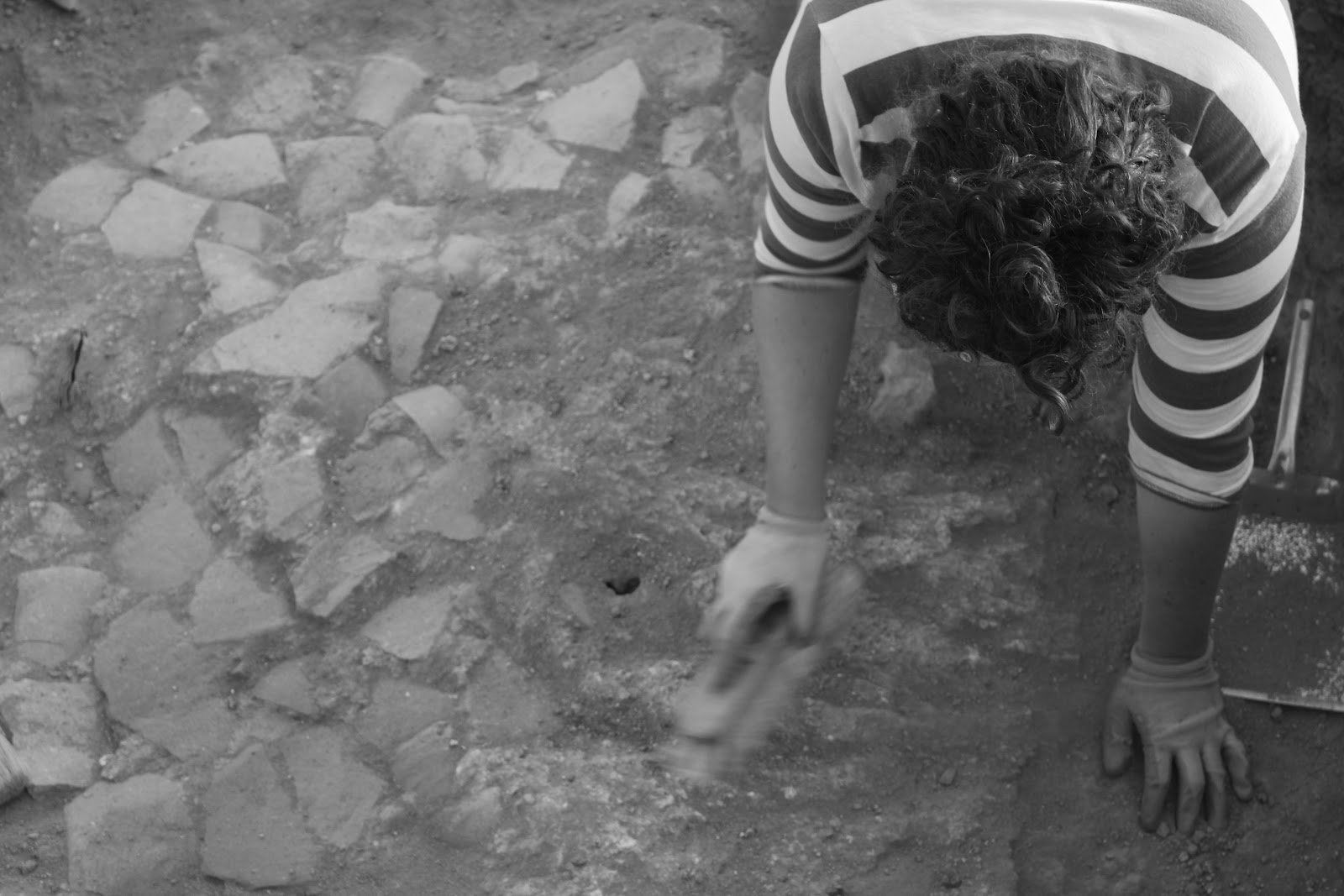
Pottery processing is carried out in the back garden of our accommodation and is when each bag of pottery is dumped out, sorted and recorded. For the past two days I’ve been working with Emily, sorting pottery from her trench into three separate categories base on the quality of the clay, coarse ware, medium ware, and fine ware. Coarse ware is usually the easiest to spot, it has lots of intusions, larger grains and is very rough. It is usually used to make large pots or cookware. Medium ware is average quality pottery and usually thicker than fine ware. Fine ware is usually the nice stuff: smooth, sleek, the iPad of ancient Greek pottery… usually… mostly, it’s all really subjective. After the sorting the pieces are weighed and counted, and any paint or diagnostic feature that could reveal the sherd’s date is recorded and given to the data entry people to enter. Then the processing of the next bag begins.
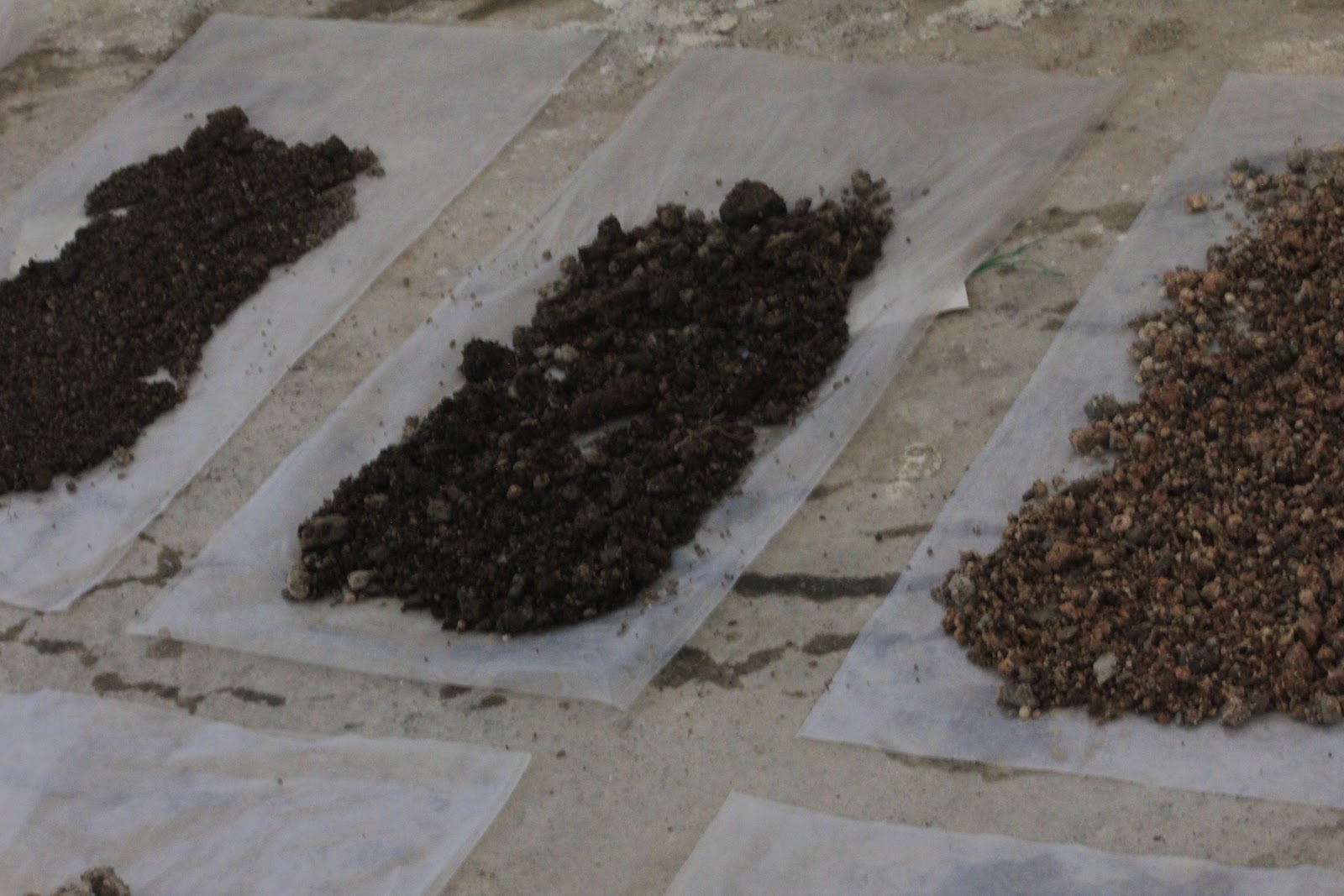
The floatation team has been working hard to process the large amount of soil samples (that are ten litres each!) that have been collected from the trenches over the past two weeks. Recording charcoal and seeds and what-not and giving their sheets to the data entry people to enter.
Now that there are so few digging in the trenches, pottery washing has become less and less time consuming. Our clothes are covered in a bit of dirt and lots of sweat, rather than lots of dirt and lots of sweat. Soon we’ll be tarping over our work and packing up the books, tools and finds that we’ve been working with and digging up since the beginning of June.
![]() |
| So many bones… |
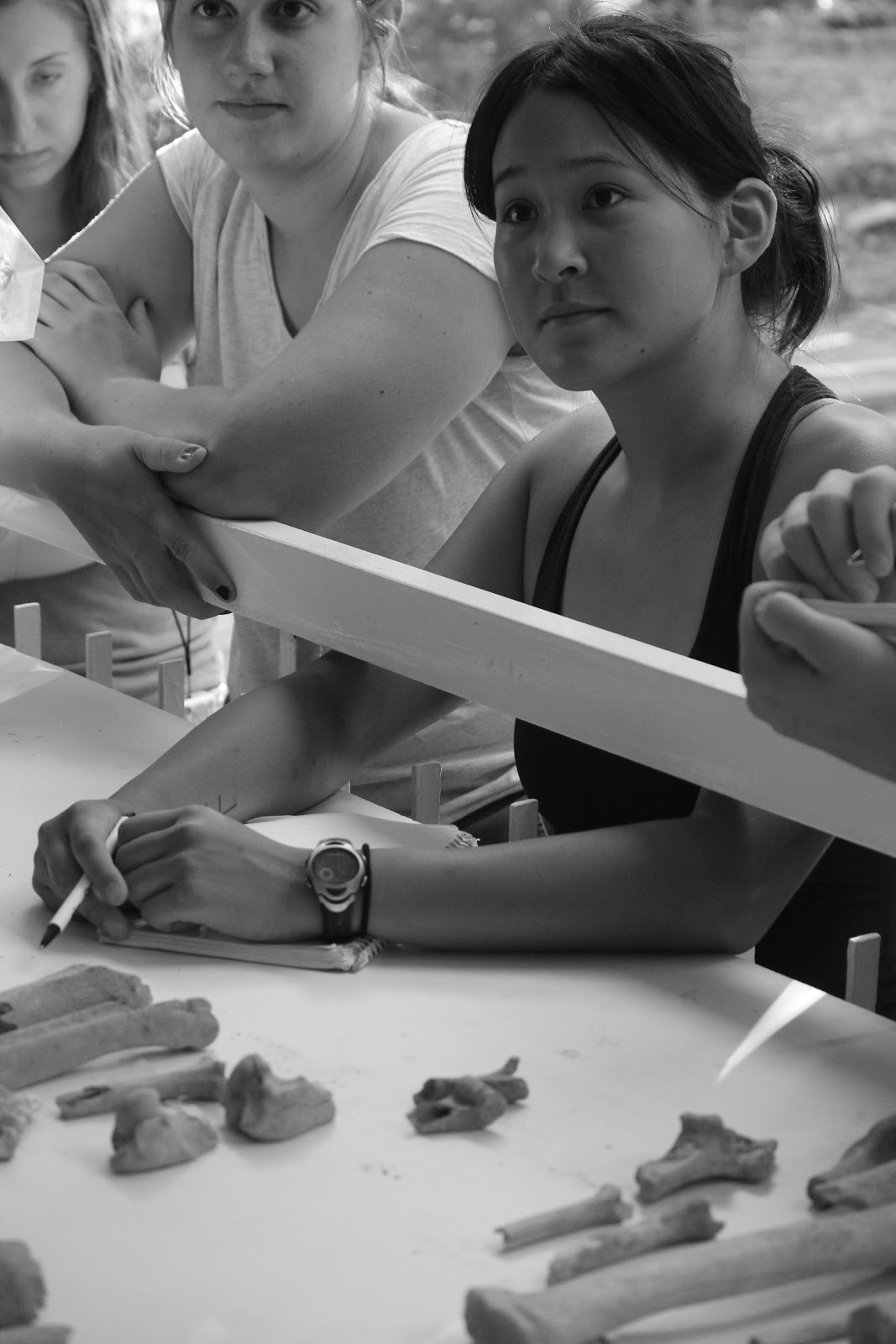
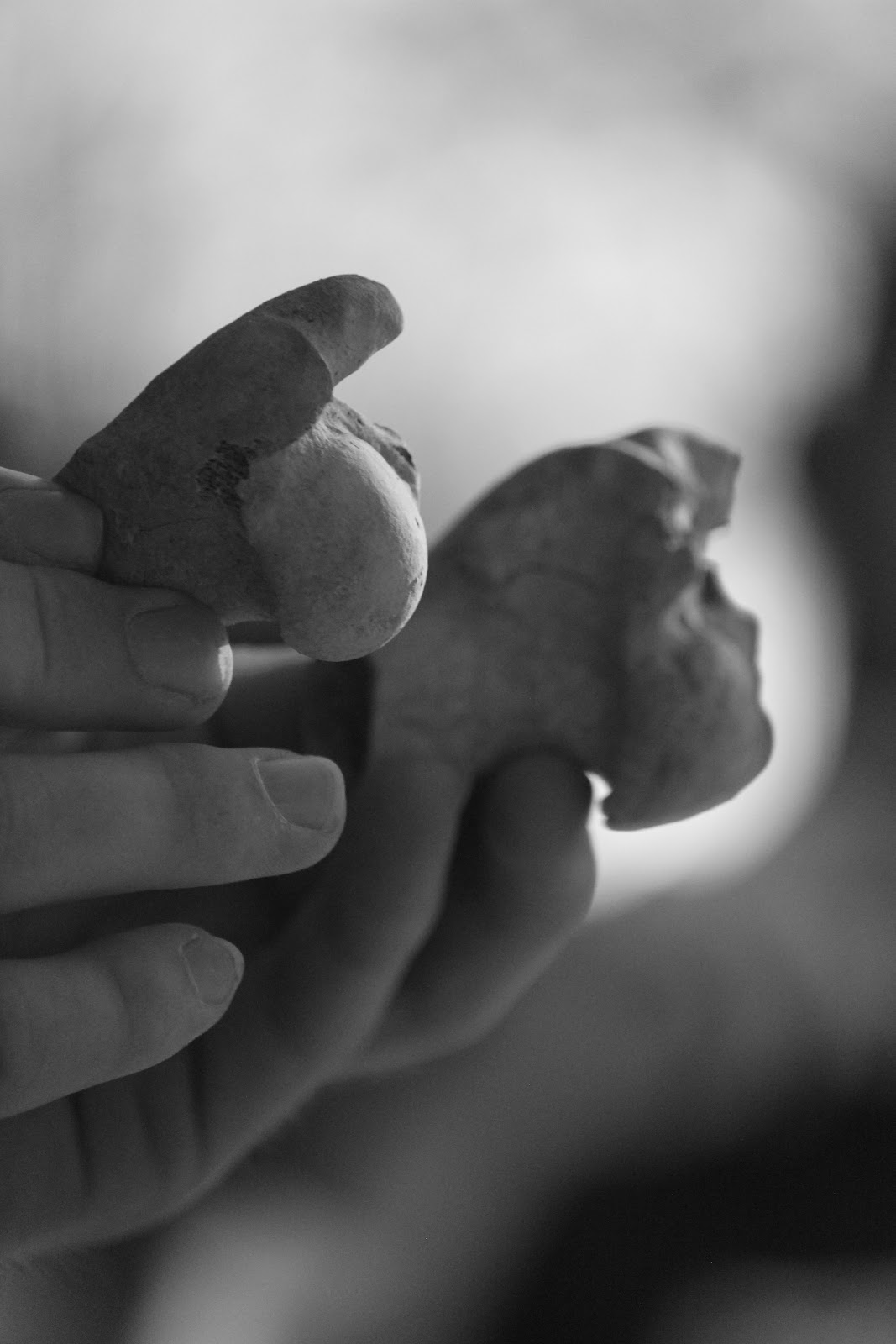
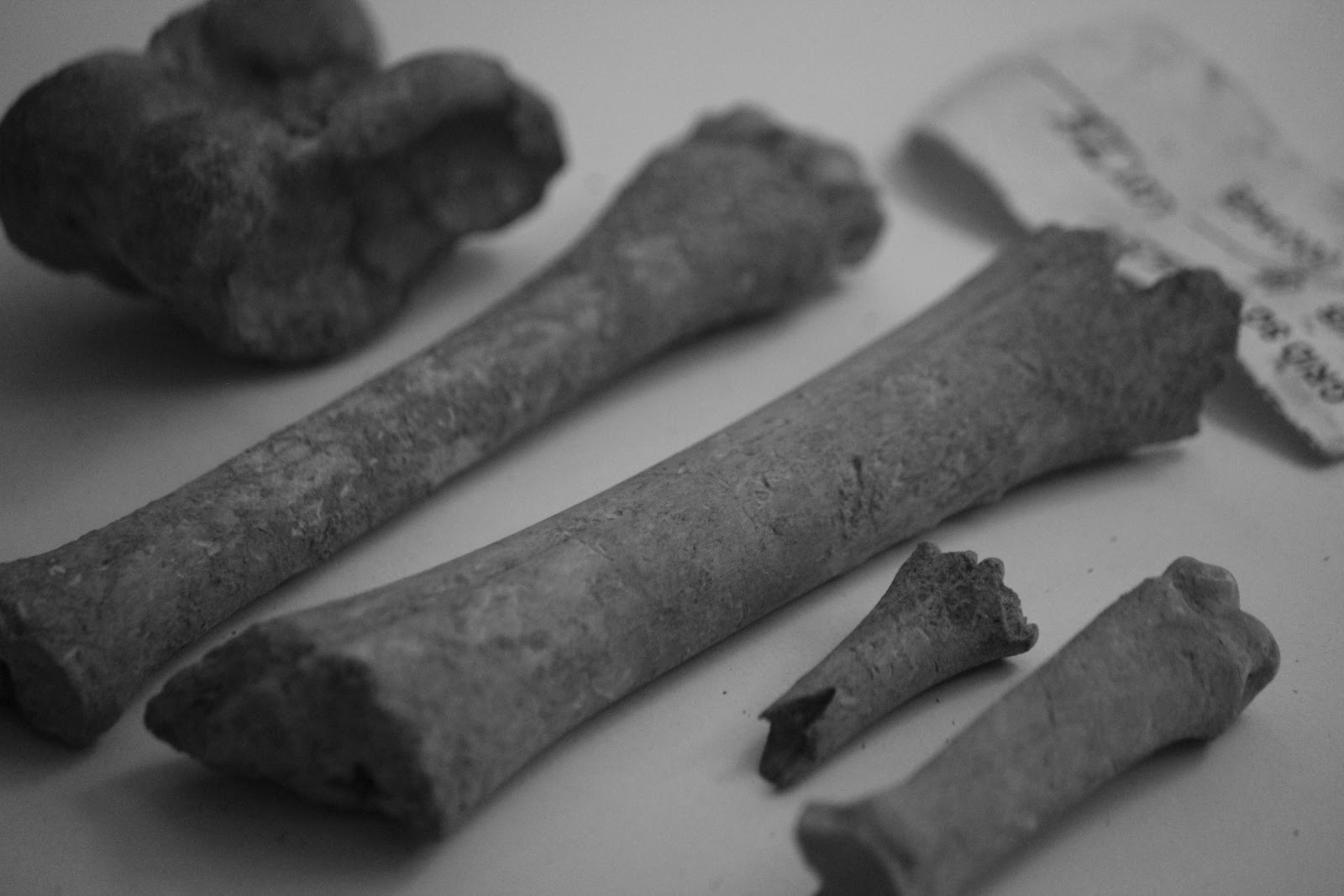
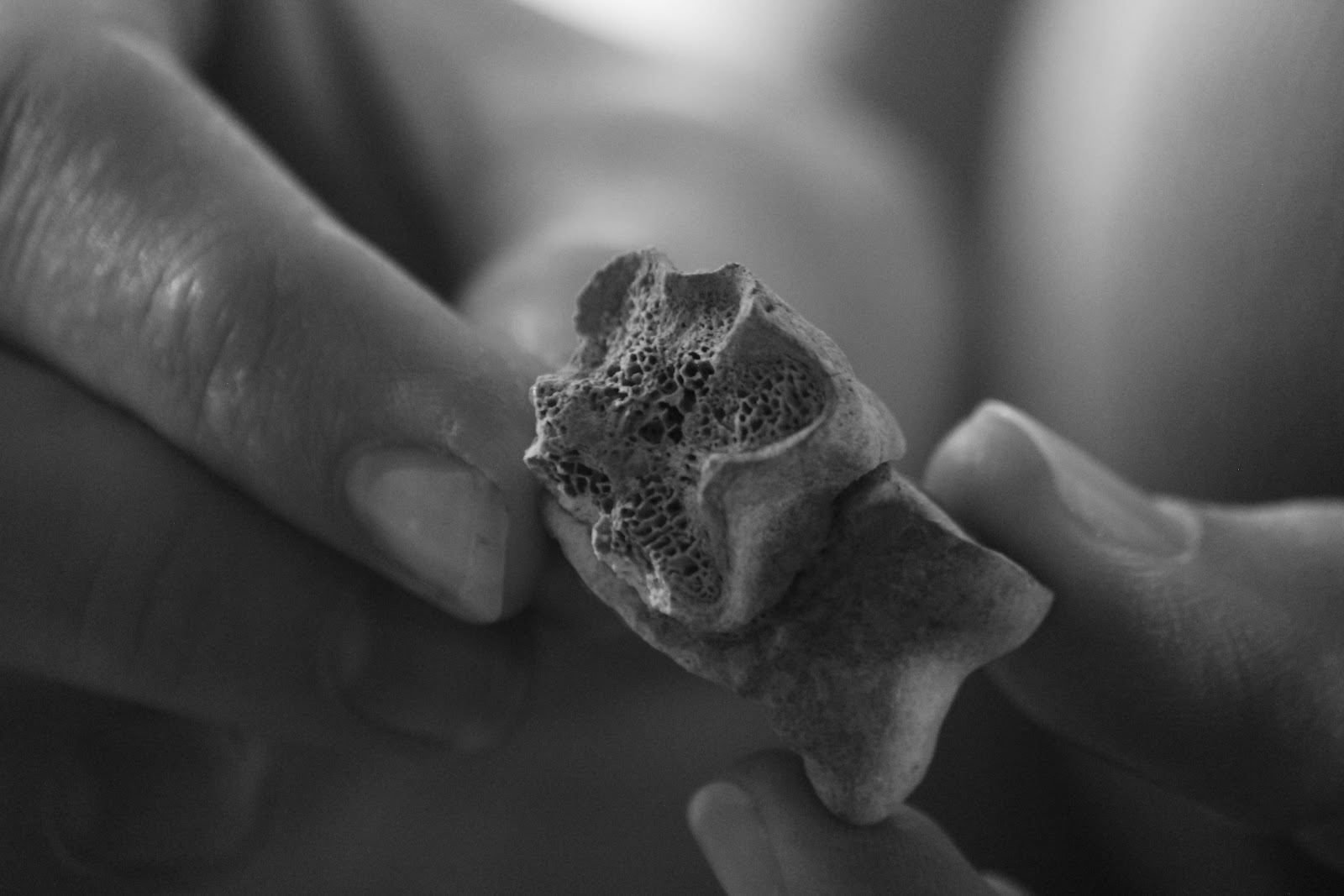
What can this field analysis tell us about Eleon? First, we can tell what types of animals were being consumed for food. This could let us infer the social standing of the individuals at the site by seeing if they eating more valued, prestigious animals like cows, or more common food like sheep. Perhaps we could find that higher class individuals were eating more cow in certain time periods and less in others, suggesting differences in levels of social inequality over time. The presence of other remains, such as those of horses, might imply wealth. The general age of animals at the time of their deaths could tell us things about which animals were being consumed for their meat and which animals were being allowed to grow to maturity and used for products such as milk or wool. The state of an animal’s remains could tell us whether they were butchered or if they died of natural causes, whether they were cooked, or if they were scavenged by dogs and other animals after being discarded.
The task of processing the sheer volume of bone that comes in each day has been a little daunting. Our experience at Uvic was based on each of us individually analyzing an assemblage of approximately 350 bone fragments over several weeks, and that number can easily come out of the trenches every day. We also had access to Uvic’s fantastic zooarchaeological reference collection. It’s a bit overwhelming, but I’m loving the experience of being one of the first people to examine these bones while we’re still in the field. It also feels pretty good to have one of the directors call us over to identify a bone while we’re in the trenches. We’re getting better at it every day, too. At this point, I bet we could both identify a dirty, broken and chewed on goat tibia from fifty yards… by smell alone.
Mr. Vangelis has been with us since the first shovel of newly picked dirt this season (approx. 4 weeks ago) and we have all become very fond of our fatherly Greek, Nescafe- loving workman. I was with him for the first two weeks in the original wall trench where I learned how to pick and shovel and “rest for four minutes” on the especially hot days. This led to a few Greek lessons, a suspicion that Mr. V understands more English then he lets on, and some lasting words of wisdom.
A favourite bonding moment in Gen’s wall trench with Vangelis was hearing a big giggle after I had used the word “Excellent” to describe something. He put down his pick and threw his hands up in the air and yelled, “Εξαιρετική, Εξαιρετική” (officially one of the only Greek words that has stuck with me)! Even now in other trenches, whenever Gen or I find something exciting, even just a pretty piece of pottery, we are given an enthusiastic “Εξαιρετική!” with a big approving smile.
![]() |
| Beginnings of the wall trench |
One day in the wall trench Vangelis and his son were working with us digging up some of our rubble boulders. We were shoveling awkwardly on the large rubble stones to get the dirt into the wheelbarrow and I got distracted thinking about the piece of pottery I had just put into the pail. Instead of throwing my next shovel full of dirt into the wheelbarrow I spun a full 180 and threw it at the pottery bucket. Vangelis laughed so hard he had to lean on his pick to stand up and had trouble explaining what had happened to his son because he couldn’t catch his breath from the laughing. I received an understanding pat on the back after he composed himself.
Finally, the most famous Vangelis moment happened after being told that it was break time (and me never remembering the Greek word for break) his response was a sassy “oh, like (insert- Vengili- dance- movement- here) Break-dance”. The next day Gen only had to say “χορεύω” (Dance) and Vengilis perked up and said,“ ah, Break! Break-dance!”