End of project musings, by Matt B, age 6

by Matt Bullock
     The end of the season has arrived. As we pack up our tools and our new collection of ancient doodads gets shipped off to its new home in Thebes, the pace of our lives in Dilesi has slowed exponentially. The last few days have been, for many of us, an endless stream of data entry and note copying as we attempt to tackle the mountains of information we have amassed since the beginning of June. Time always moves quickly here, but it was amazing how long I spent sitting in a room full of laptops and fans filling out endless tables without even noticing the days going by. As far as learning work skills, this segment of the project was perhaps one of the most important. These unglamorous and tedious tasks make up a great deal of the work actually performed in archaeology, and I can now say that I have documented over five thousand bones into a (gorgeous) spreadsheet. I would say this is a marketable skill. If I can offer one piece of advice for those attempting to make such a table, I would recommend making backups often, otherwise you might end up seething with anger all through ouzo hour and dinner after Mr Macbook decides to do some whimsical editing/reorganizing of your finished document without provocation.

     A good portion of our crew is heading home today, and everyone seems eager to return to what I understand is remarkably cool summer weather back home. As much as we’ve all enjoyed our weeks in Dilesi, the humidity, heat, early mornings, and extremely loud cicadas have begun to take their toll on myself and my hardworking companions and we’re all ready for some rest. Some of us are taking advantage of one of the greatest perks of working in Greece and plan to spend some time on the islands before leaving. I, for one, am looking forward to sleeping in in the Cyclades and not awakening with my hand cramped and enflamed from the dreaded affliction we call “shovel arm.” This is quite similar to “trowel wrist,” but not quite as bad as “karotzi shin.” I should mention, however, that the pain of shovel arm was totally worth it, and Nikos and I have developed a really fantastic repertoire of spade tricks.
   In closing, I would like to thank Brendan, Brian, Steffi, and all of my new friends for a great summer and the best 3 credits I’ve ever taken. And if you’re ever in Boeotia, stop by the Gusto Grill in Dilesi for some fantastic souvlaki. Don’t mind the mosquitoes.

To My Beloved SEA2C/Eleon Uncensored

by Nick Falzon

As EBAP rushes frenetically to its final days of the season, I thought only a badly written sonnet (a slightly plagiarized one) could properly express the depth of my feelings towards my beloved trench.

Sonnet 130…And My love for Southeast A2C
My trench’s eyes are nothing like the sun,
Whose fickle rays burn cold in fiery gaze.
But trenches have not eyes, nor breasts of dun;
Which only adds to my 6am malaise.
Her sweet breath doth singe the hairs on my head,
And other hairs, of which I need not speak;
Though her wasps and sand don’t make a fine bed,
Before morning breaks, her embrace I seek.
I pick and scrape, and try my trench to please,
Yet betimes naught but roof-tile does she yield.
                But with mood as soft as ochre skin she sees
Fit to give bounty unasked from her field.
So still I think my love for trench so pure:
 I’ll awake at 5—my trench I’ll miss for sure.
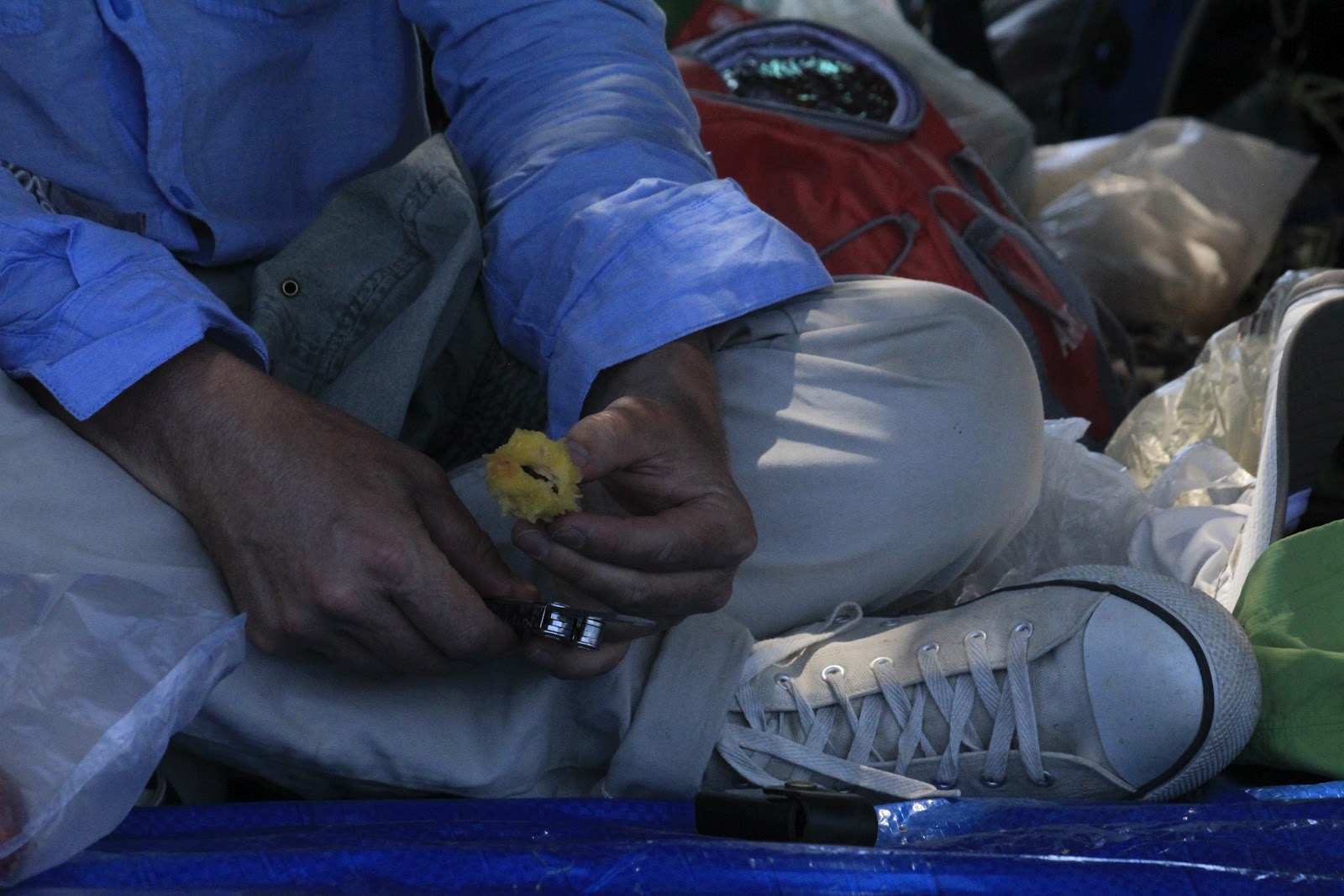
I, not just my literary persona, will indeed miss my trench very much.  The last few days of excavation have been productive ones, and our diminished crew has made a heroic effort to close up all of our loose ends.  Much to our delight, we have had some excellent finds right at the end of the season.  If only I could tell you about them! Instead I’ve decided to post a series of provocative pictures.  Subscribe online for only $5.99 a month (send all orders to nikosbynikos@sexyebapphotos.com) and see our raw and wild uncensored dig photos. (Please don’t though. I could get in a lot of trouble).
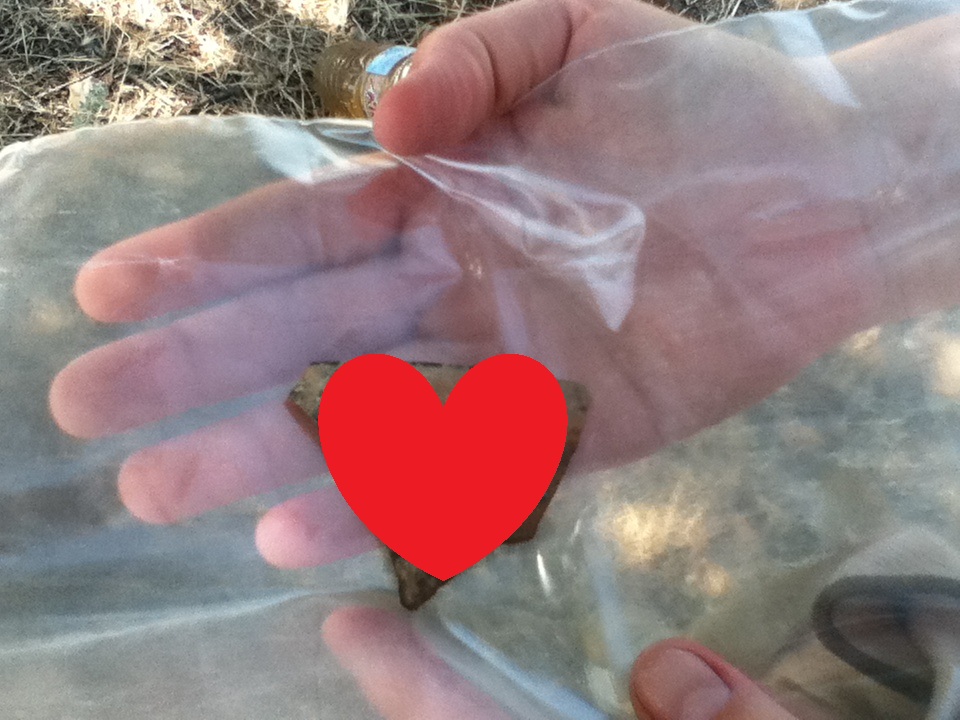
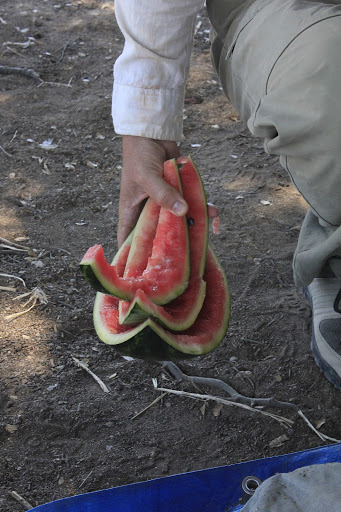
RBB has something zesty in his hand… But what?


Now he’s showing it to BEB… It must be really good.


I love…. something sherd-like.


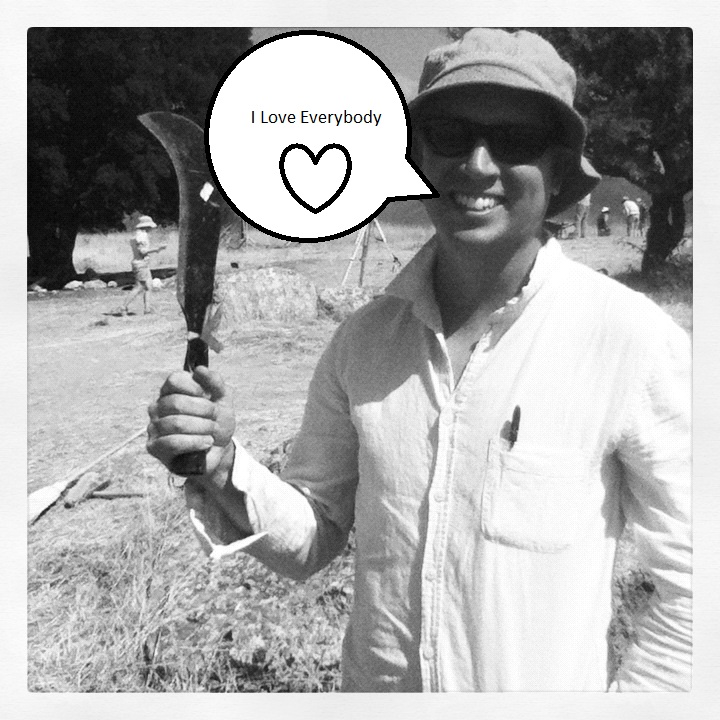
I wanted to show you everything, but RBB has a machete.
You stay classy Dilesi.
Nikos out.

Closing Up Shop

by Max MacDonald

Well it has been an awesome five and a half weeks here at EBAP we’re all very tired and hot, hot, hot! We’ve ended most of our efforts in the trenches this week, save for the few brave souls left in exile at what our Game of Thrones obsessed team has simply dubbed “The Wall.” This week the rest of us are experiencing the other aspects of archaeology that don’t involve a kazma or karotzi.  There are pottery records to be filled out, sherds to be photographed and data to be entered into the computers, it’s not always exciting, but it’s an interesting experience and can still be lots of fun.

Data entry takes patience.  It can be very relaxing and cool, unlike other jobs during the day.  It requires you to type up the written reports from each separate locus and lot in each trench. A locus represents a feature of a trench such as a structure or a change in soil consistency (usually it’s latter) whereas a lot is simply the order that excavation takes place within the trench.  Each locus and lot have there own pottery sherds that need to be examined, processed and recorded, the finished record is sent to the data entry person who enters it into the computer.  There are many, many, many sheets that need to be entered.  People working data entry also enter other finds from the site, as well as flotation finds and bone records.


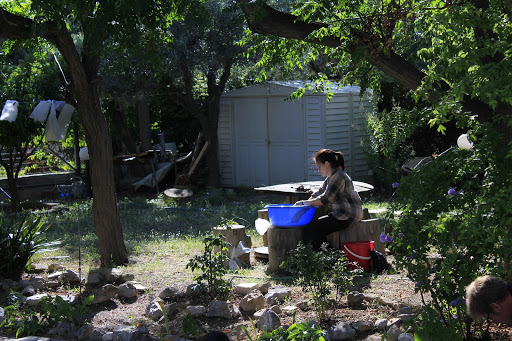
Pottery processing is carried out in the back garden of our accommodation and is when each bag of pottery is dumped out, sorted and recorded.  For the past two days I’ve been working with Emily, sorting pottery from her trench into three separate categories base on the quality of the clay, coarse ware, medium ware, and fine ware.  Coarse ware is usually the easiest to spot, it has lots of intusions, larger grains and is very rough. It is usually used to make large pots or cookware. Medium ware is average quality pottery and usually thicker than fine ware.  Fine ware is usually the nice stuff: smooth, sleek, the iPad of ancient Greek pottery… usually… mostly, it’s all really subjective. After the sorting the pieces are weighed and counted, and any paint or diagnostic feature that could reveal the sherd’s date is recorded and given to the data entry people to enter. Then the processing of the next bag begins.


The floatation team has been working hard to process the large amount of soil samples (that are ten litres each!) that have been collected from the trenches over the past two weeks.  Recording charcoal and seeds and what-not and giving their sheets to the data entry people to enter.


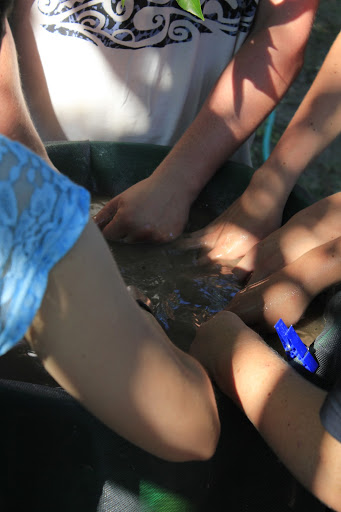
Now that there are so few digging in the trenches, pottery washing has become less and less time consuming.      Our clothes are covered in a bit of dirt and lots of sweat, rather than lots of dirt and lots of sweat.  Soon we’ll be tarping over our work and packing up the books, tools and finds that we’ve been working with and digging up since the beginning of June.


Top 5: Tools in the Trenches

by Sam Bartlett
1. The Handpick 
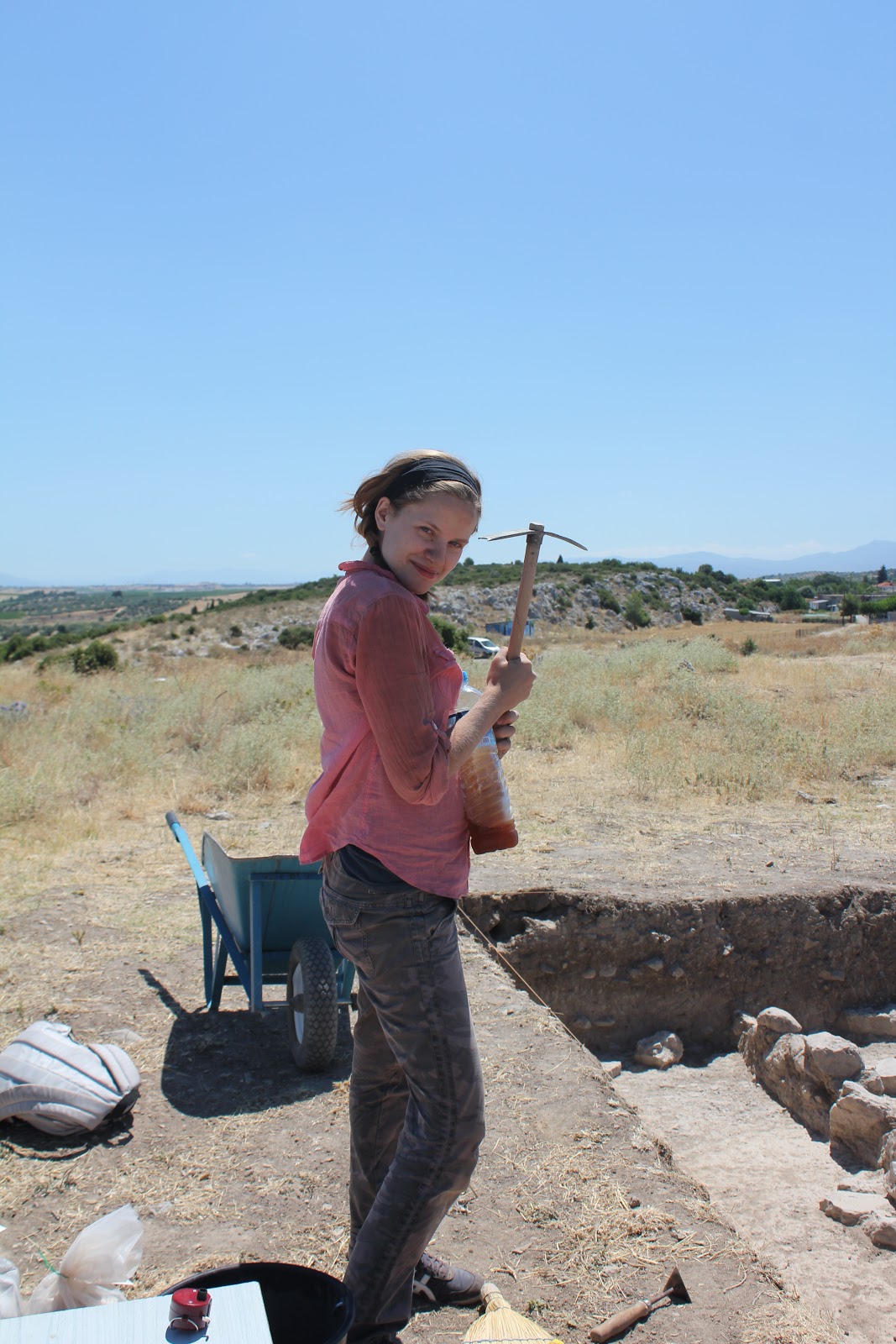
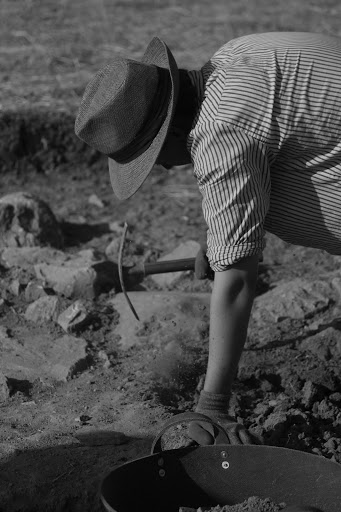
Ah, the handiest pick of the bunch. Here Morgan models this light-weight miniature pick-axe which provides the common archaeologist with a more controlled, precise swing. This little tool is not just known for its cute looks and sensible size! It can often be seen in smaller, more delicate areas and can be helpful in cleaning and defining features or taking down a course.


2. Tiny Tools
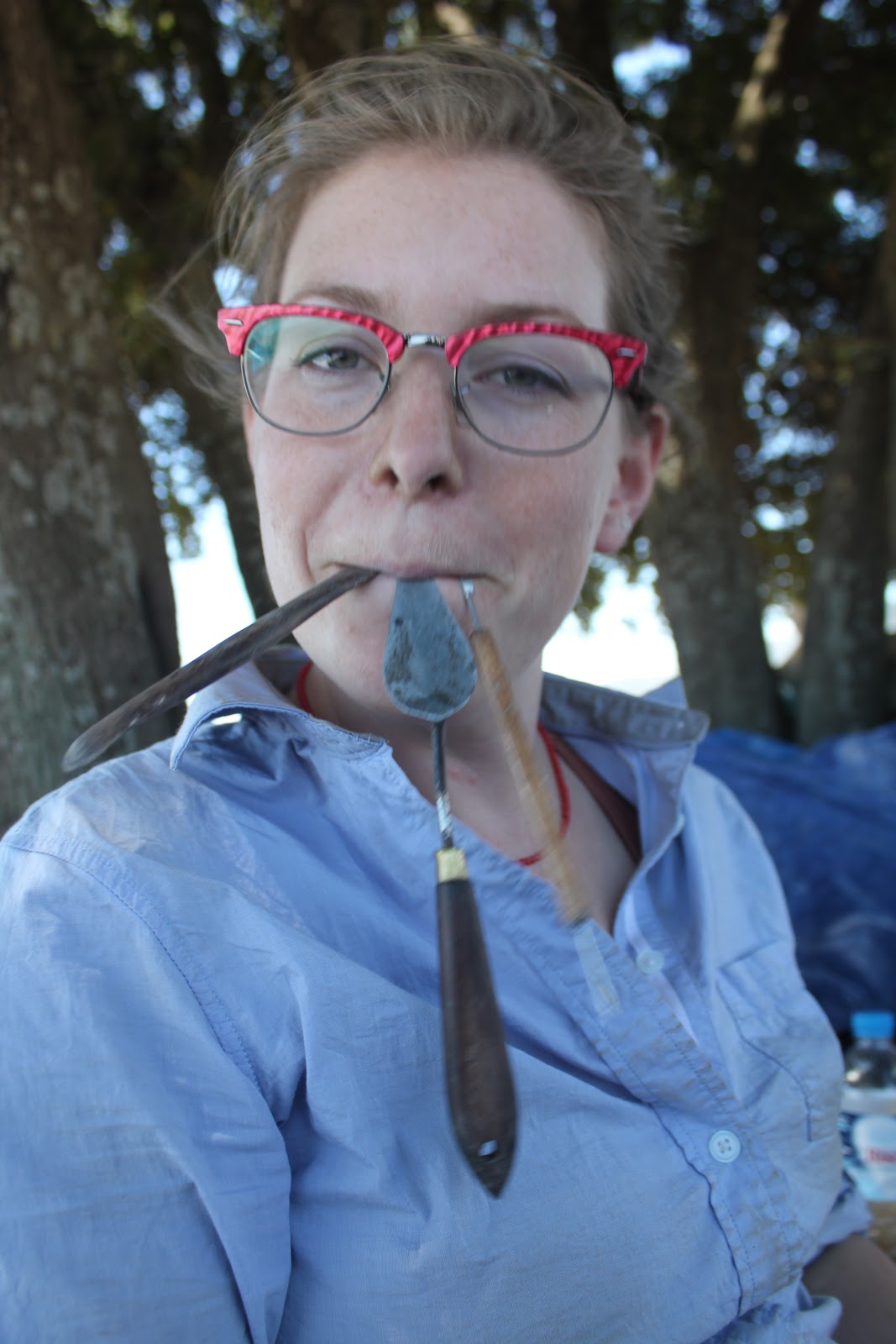
 Gen is showing us (from left to right) Sticky Thingy, Tiny Trowel, and Pokey Thingy. And yes, those are the technical terms. These bad boys are used for the smaller work that the larger tools just can’t do. For example picking tiny clumps of dirt off various types of vessels, for a non-scratching removal process. These tiny tools can be an archaeologist’s best friends during an in-field “OH MY GOSH LOOK WHAT I FOUND” moment!


3. The Big-Pick (and a water bottle) 
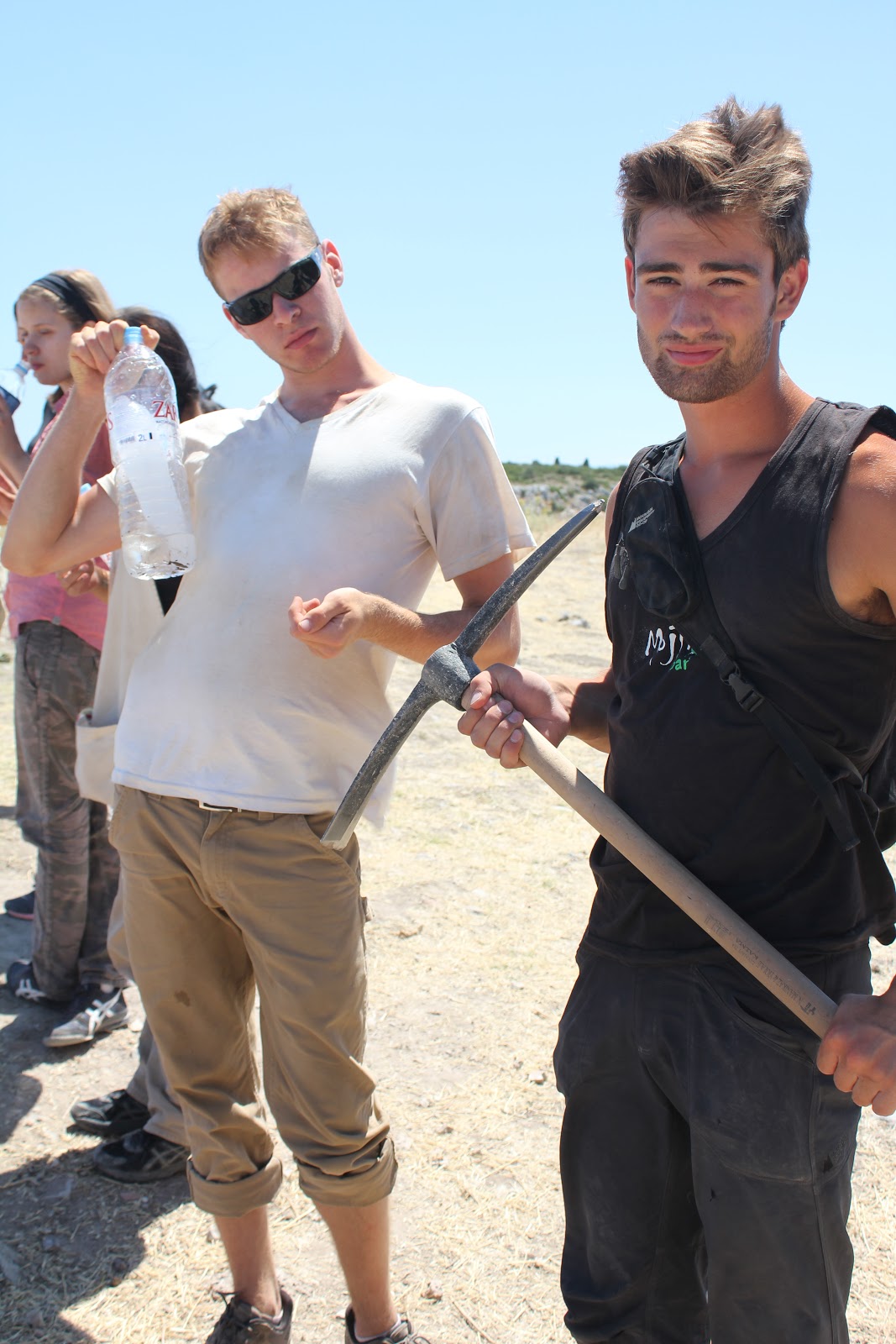
These professional male models are demonstrating two key aspects of archaeology: Hydration and one of the most important tools if you want to move a lot of dirt. The big-pick (aka ‘Kazma’) is a high demand item on the EBAP site and is one that can do a lot of damage to large areas of dirt. It’s Vangilis’s weapon of choice and if wielded correctly (which can take some practice) can be a highly  profitable tool in terms of digging and also as new fun way to get out some anger issues.


4. The Triangle ( ‘Trigonaki’)  
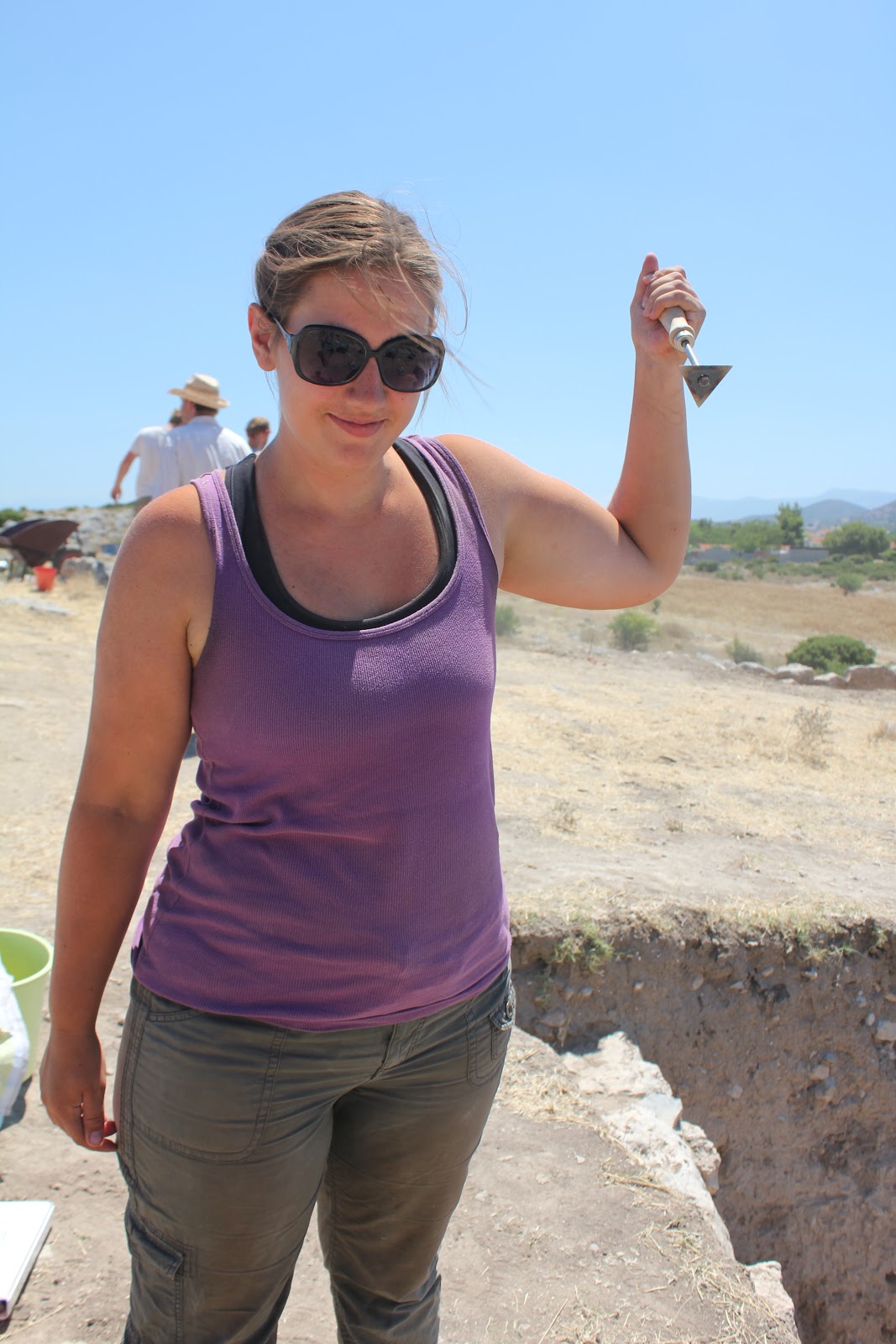
As Haley is murderously showing us, the triangle can be a dangerous little tool if left carelessly in a trench. With its sharp edges and pointy ends it is the perfect tool for straightening edges and clearing extra dirt away. All in all it is a favourite tool of many archaeologists! So much so Gen bought some in Greece to bring back to Canada, as they are a hidden treasure in the field of archaeology.


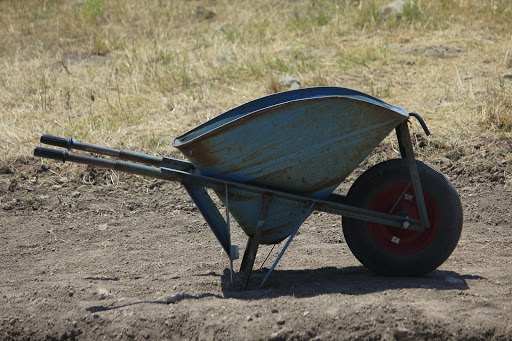
5. Wheelbarrow (‘ Karotzi’)
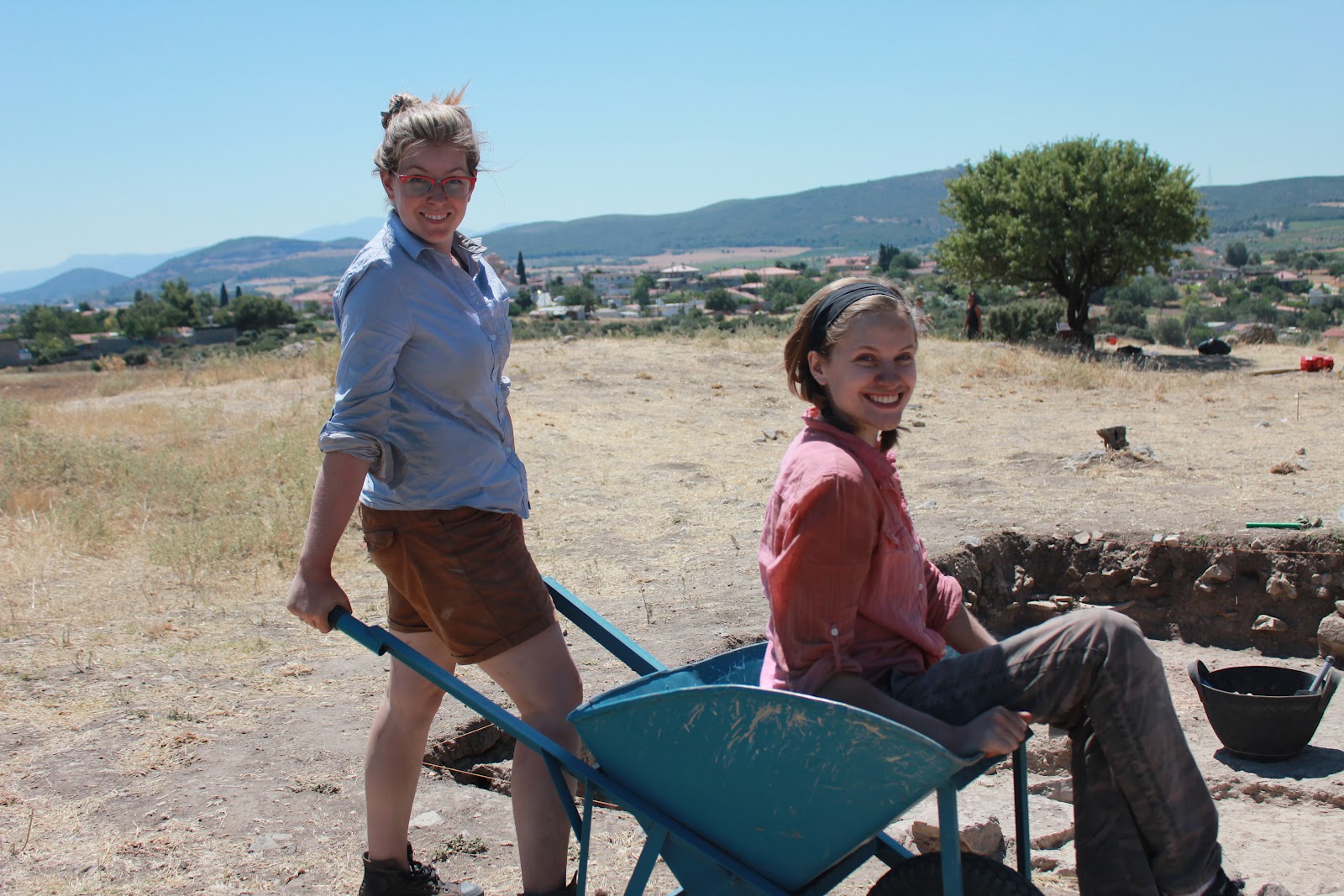
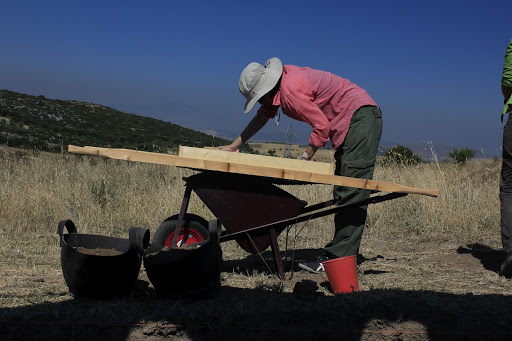
These babies will haul just about anything as long as you are willing to push! And they come in fun colours! Fill ’em up with dirt and you too can contribute to the giant dirt pile that has become a defining feature of the EBAP site. And though grimacing looks are given to every full wheelbarrow, every EBAPer would agree that muscle and character can be built with these handy tools.

They call me the Boneman

by Matt Bullock
     Along with the ubiquitous pottery and other artifacts uncovered at the Eleon excavation, we also find ancient bone fragments. These remains may represent domestic animals like dogs, sheep and cows or they can originate from local wild fauna such as red deer and brown bear. While these animal remains may not be as beautiful as painted pottery or decorative bronze pieces, they can be valuable in giving us a glimpse into the lives of the ancient inhabitants of a site. They’re also pretty neato. Since Kinsey and I are both anthropology majors (rather than Greek and Roman studies) with experience in zooarchaeology, we’ve been tasked with performing an analysis of the bones that we recover from the site.
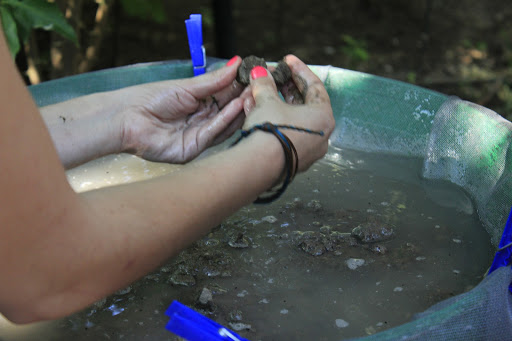
Our first task is to clean the bones. We do this during our customary pottery washing time, carefully scrubbing the sometimes delicate remains and laying them out to dry overnight on mesh screens (I should mention that these screens were hand made by a handful of us during the early days of the project and they are magnificent). After the day’s bones have been cleaned, we lay out our previously dried specimens from earlier days for recording. A true faunal analysis makes use of a reference collection of real bones in order to identify assemblages, but we do the best we can with only our field guide of mammal remains and our massive intellects. We sort our bones according to their element (which bone of the body it is) and subsequently identify them either by species or by size class when it is ambiguous. Many fragments that come back form the field have been worn or broken to the point where they are unidentifiable, but some still bear tell-tale landmarks that held us to make a definitive ID. We record the element, portion of bone, and species of each identifiable fragment in a notebook to later be entered into the project’s database. Each bag will also be weighed to give a further impression of the actual amount of bone that was recovered from each locus of the site.

So many bones…

What can this field analysis tell us about Eleon? First, we can tell what types of animals were being consumed for food. This could let us infer the social standing of the individuals at the site by seeing if they eating more valued, prestigious animals like cows, or more common food like sheep. Perhaps we could find that higher class individuals were eating more cow in certain time periods and less in others, suggesting differences in levels of social inequality over time. The presence of other remains, such as those of horses, might imply wealth. The general age of animals at the time of their deaths could tell us things about which animals were being consumed for their meat and which animals were being allowed to grow to maturity and used for products such as milk or wool. The state of an animal’s remains could tell us whether they were butchered or if they died of natural causes, whether they were cooked, or if they were scavenged by dogs and other animals after being discarded.
The task of processing the sheer volume of bone that comes in each day has been a little daunting. Our experience at Uvic was based on each of us individually analyzing an assemblage of approximately 350 bone fragments over several weeks, and that number can easily come out of the trenches every day. We also had access to Uvic’s fantastic zooarchaeological reference collection. It’s a bit overwhelming, but I’m loving the experience of being one of the first people to examine these bones while we’re still in the field. It also feels pretty good to have one of the directors call us over to identify a bone while we’re in the trenches. We’re getting better at it every day, too. At this point, I bet we could both identify a dirty, broken and chewed on goat tibia from fifty yards… by smell alone.

Mr. Vangelis: Trench Superstar

by Sam Bartlett

Mr. Vangelis has been with us since the first shovel of newly picked dirt this season (approx. 4 weeks ago) and we have all become very fond of our fatherly Greek, Nescafe- loving workman. I was with him for the first two weeks in the original wall trench where I learned how to pick and shovel and “rest for four minutes” on the especially hot days. This led to a few Greek lessons, a suspicion that Mr. V understands more English then he lets on, and some lasting words of wisdom.


A favourite bonding moment in Gen’s wall trench with Vangelis was hearing a big giggle after I had used the word “Excellent” to describe something. He put down his pick and threw his hands up in the air and yelled, “Εξαιρετική, Εξαιρετική” (officially one of the only Greek words that has stuck with me)! Even now in other trenches, whenever Gen or I find something exciting, even just a pretty piece of pottery, we are given an enthusiastic “Εξαιρετική!” with a big approving smile.


Beginnings of the wall trench


One day in the wall trench Vangelis and his son were working with us digging up some of our rubble boulders. We were shoveling awkwardly on the large rubble stones to get the dirt into the wheelbarrow and I got distracted thinking about the piece of pottery I had just put into the pail. Instead of throwing my next shovel full of dirt into the wheelbarrow I spun a full 180 and threw it at the pottery bucket. Vangelis laughed so hard he had to lean on his pick to stand up and had trouble explaining what had happened to his son because he couldn’t catch his breath from the laughing. I received an understanding pat on the back after he composed himself.


Finally, the most famous Vangelis moment happened after being told that it was break time (and me never remembering the Greek word for break) his response was a sassy “oh, like (insert- Vengili- dance- movement- here) Break-dance”. The next day Gen only had to say “χορεύω” (Dance) and Vengilis perked up and said,“ ah, Break! Break-dance!”  

Photographic Evidence Part II

by Genevieve Hill
The internet connection here is spotty, so we try to keep uploads and downloads brief. We should be spending most of our computer time doing data entry, but as this is my day off I thought I’d give you another dose of pictorial blogging. Enjoy!
LT after pot washing


The cistern at Mycenae


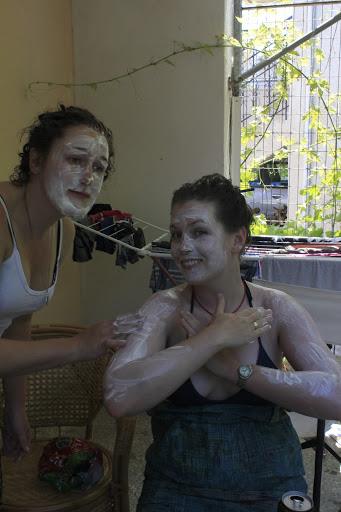
Yoghurt & Honey face mask


Also good for burns


Small Pick


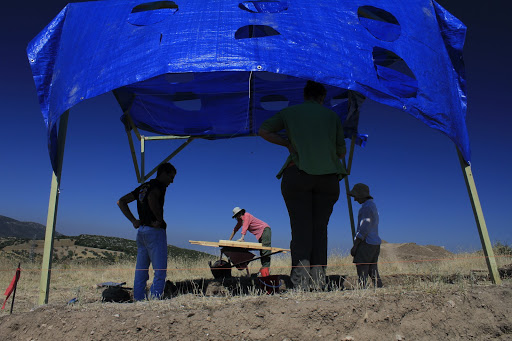
Sweet sweet shade


100% sieving


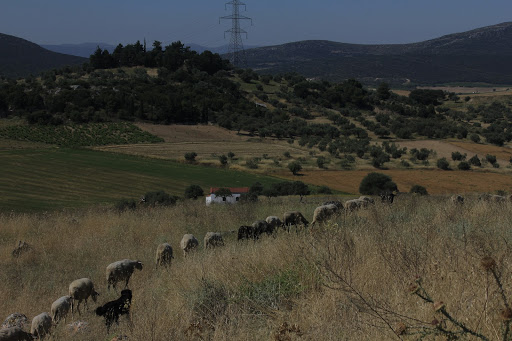
Sheep convoy


Making way for the total station


Shade styles


MC Queen of Snacks


Break


Composting


Snack


EA explains…


Schimatari museum


Inscriptions at Schimatari


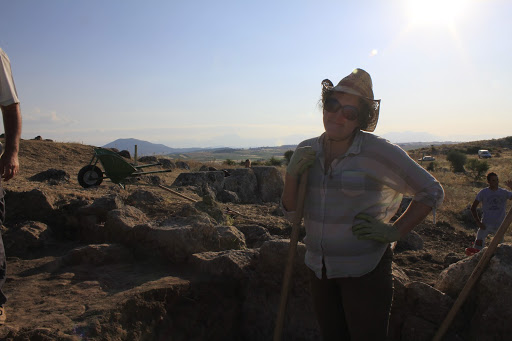
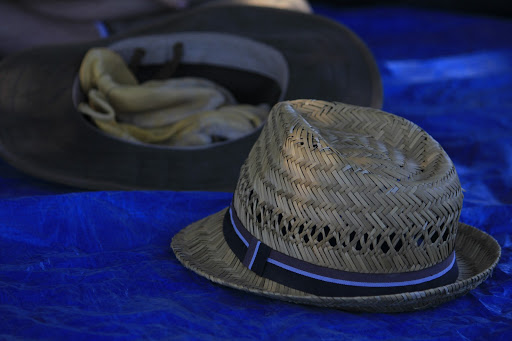
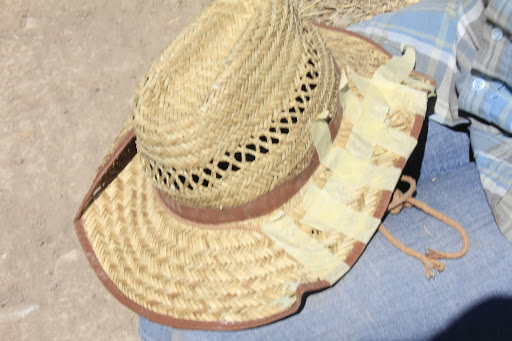
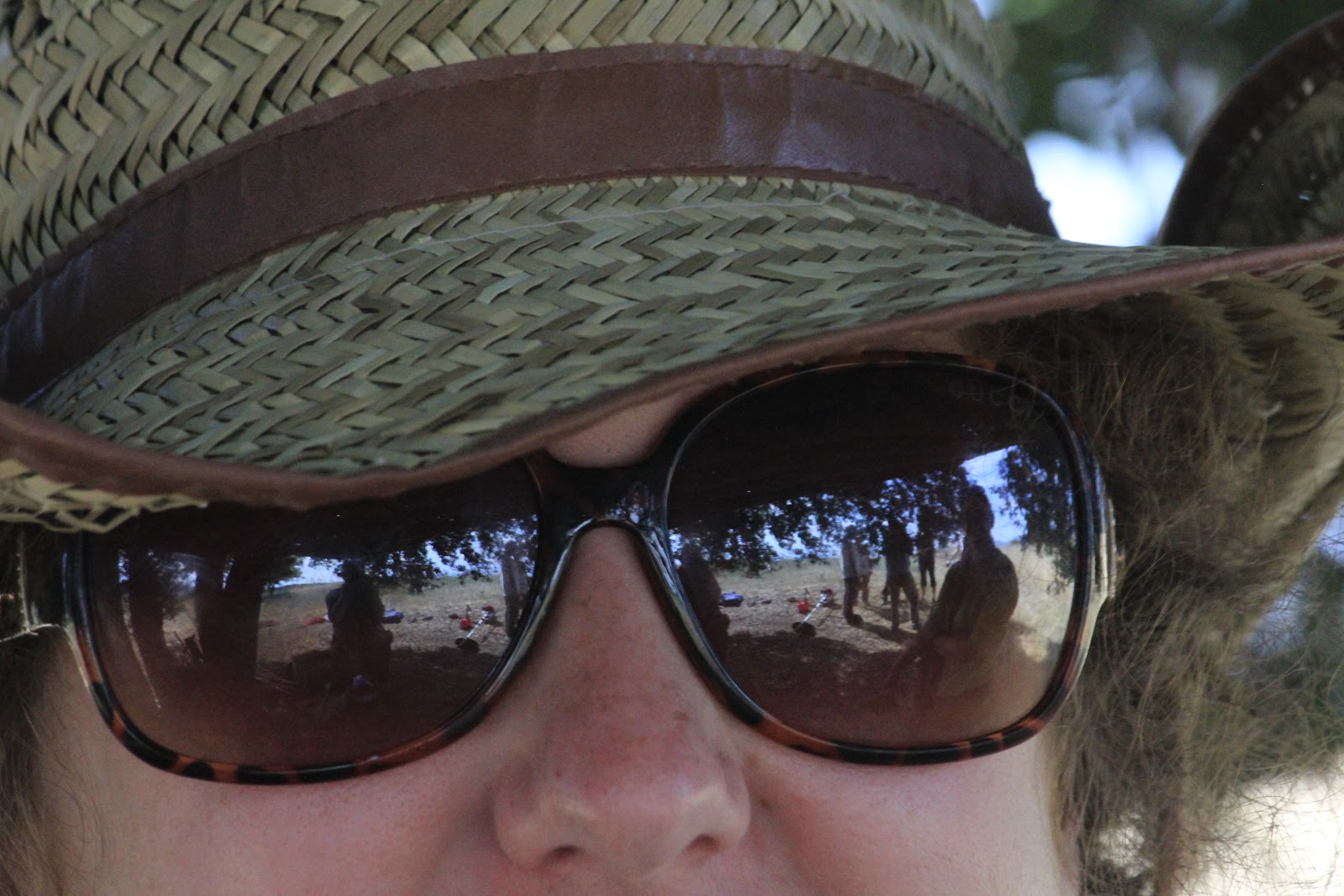
The hats of Eleon


Early days on the wall trench


SB before the rubble.


Hats.


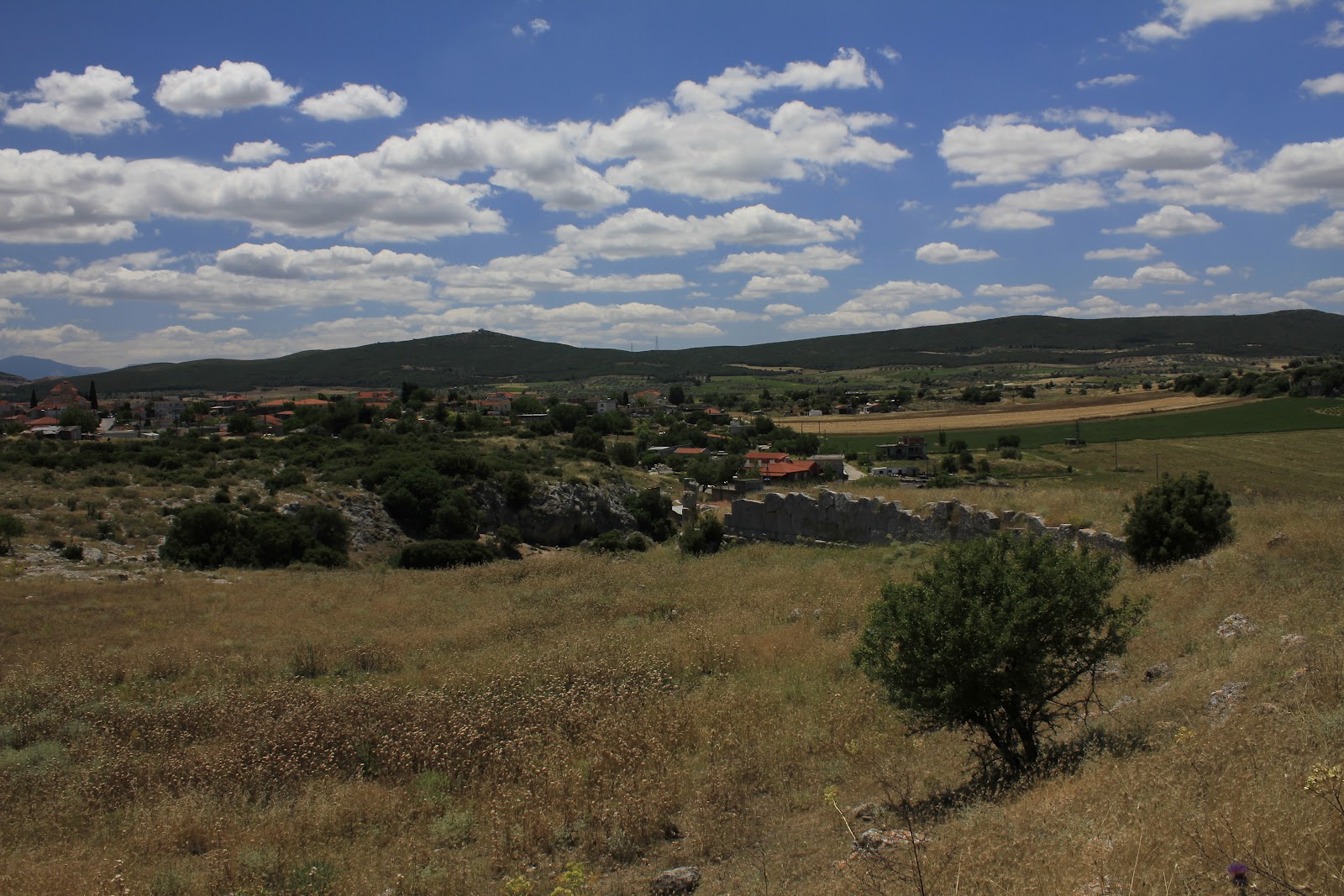
View south.


Make do and mend.


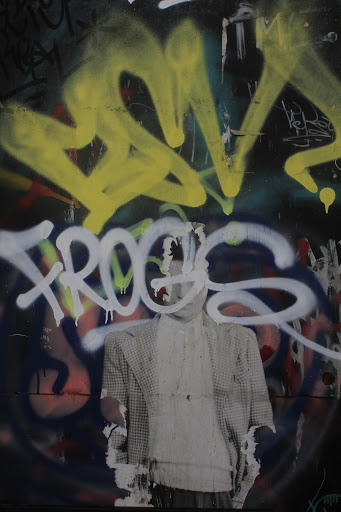
Graffiti in Athens. Hambone, this one’s for you.


SN washing pots in the garden.


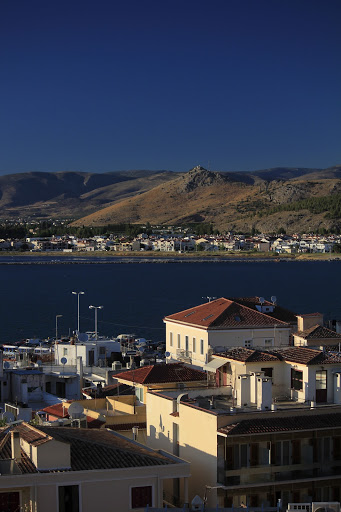
Nafplion from our hotel room on a weekend away.


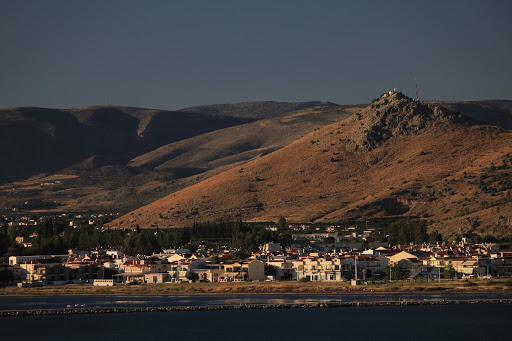
Across the water.


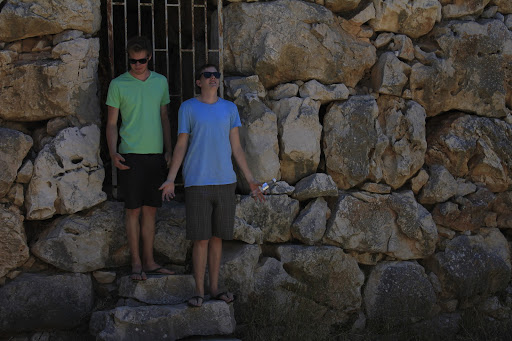
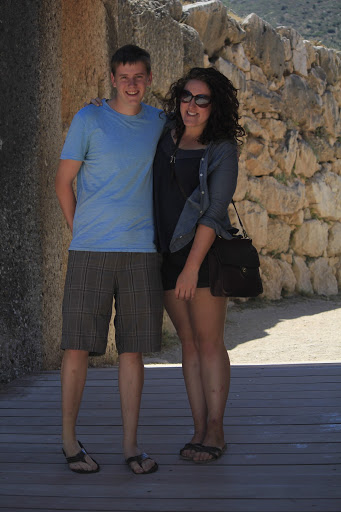
MMacD & SB at the Lion Gate, Mycenae.


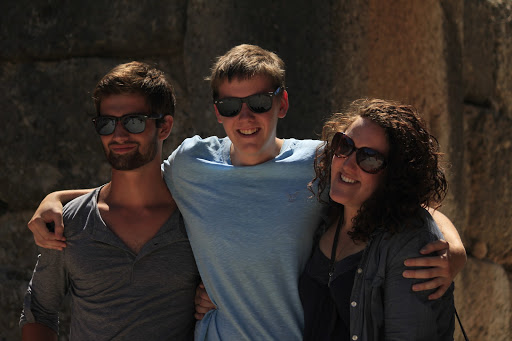
NF, MMacD, and SB at Mycenae.


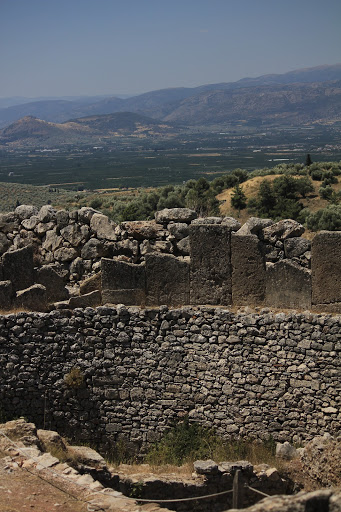
Grave Circle A? B? Z?


HB and a bit of NF.


MB & MMacD in uniform.


MMacD & RPA on the backside of Mycenae.


For serious…


The sun shade at Tiryns that everyone drooled over.


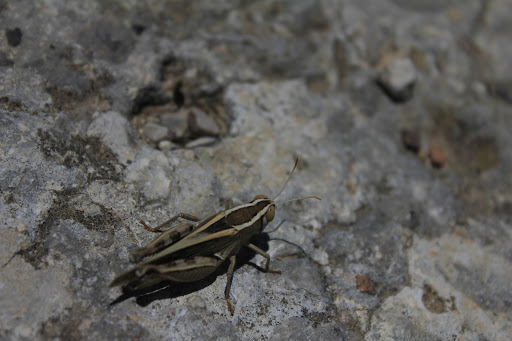
Wildlife.


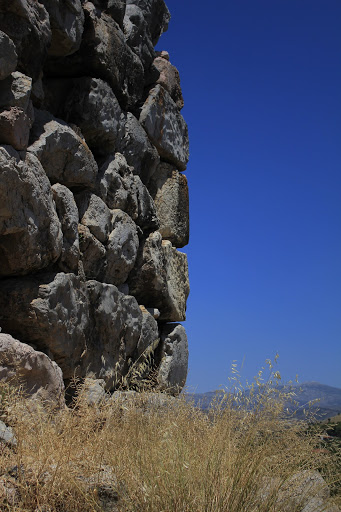
Tiryns bloody great walls.


Best gaol in Greece. Nafplion.


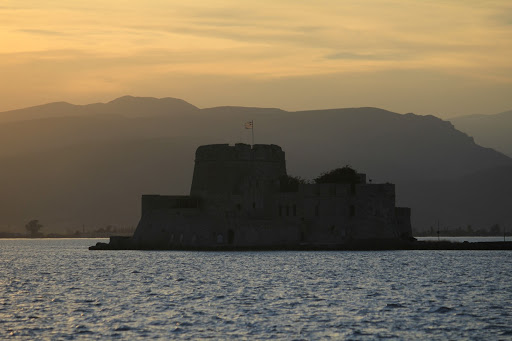
Nafplion at sunset.


Nafplion.


NF and a bit of Bellows watching the Greece – Germany game.


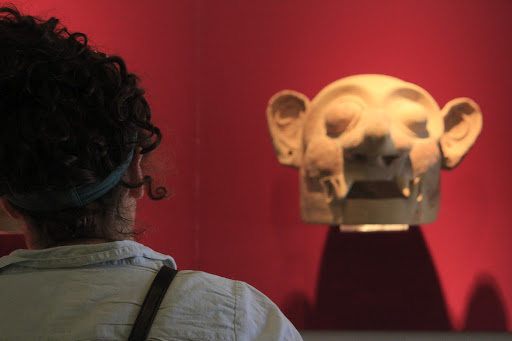
SB contemplating masks from Tiryns.


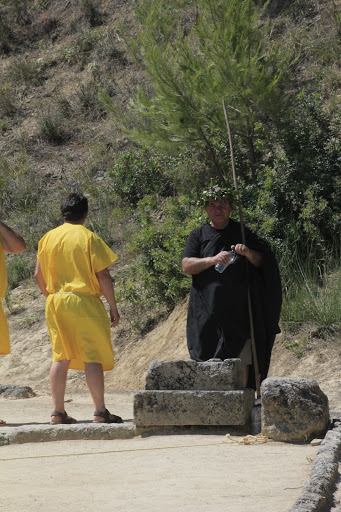
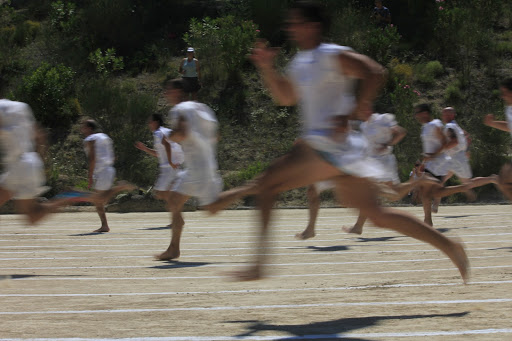
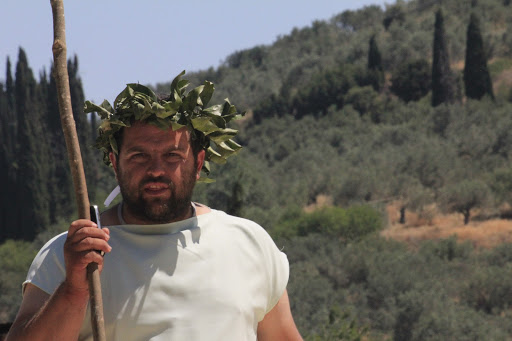
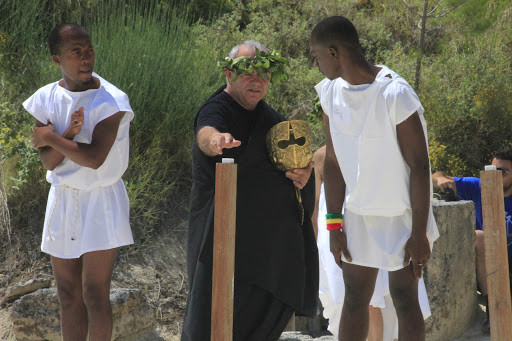
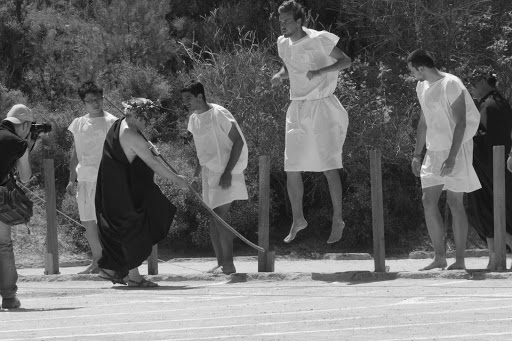
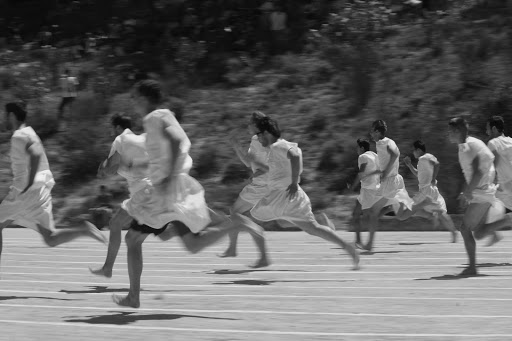
Officiants at the Nemean games.


Race…


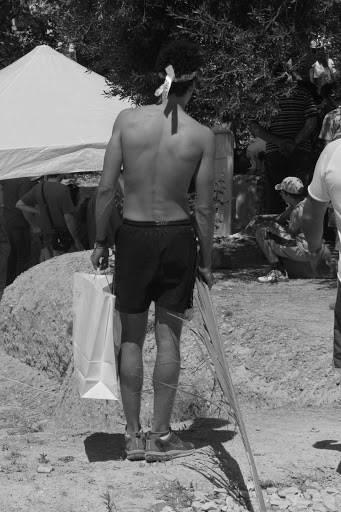
Some chap looking stylish.


Officiant taking tokens.


Prep.


More racing….


Announcer announcing.


Victor. Looked like a young Borat.


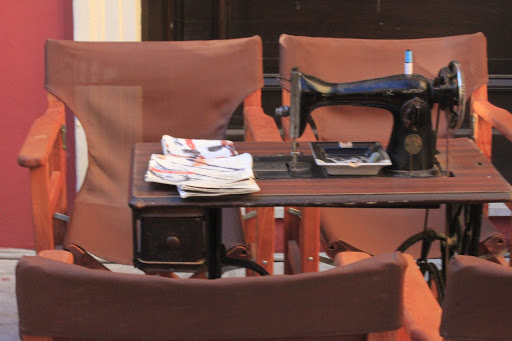
Cafe table in Nafplion.


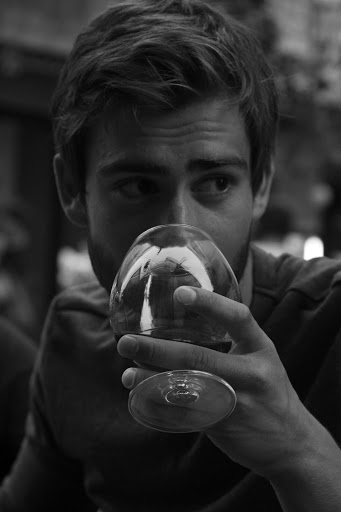
NF advertising for Metaxa.


EBAP enjoying the ice cold spring at Stymphalia.


EBAP wishing we had a similar spring.


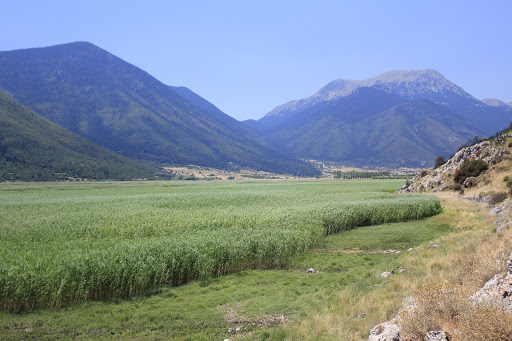
Lake Stymphalos.


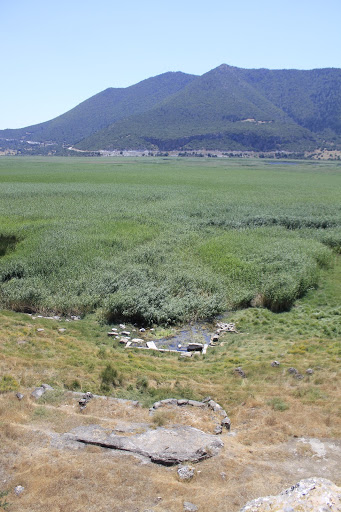
The keyhole structure and fountain house at Stymphalos.


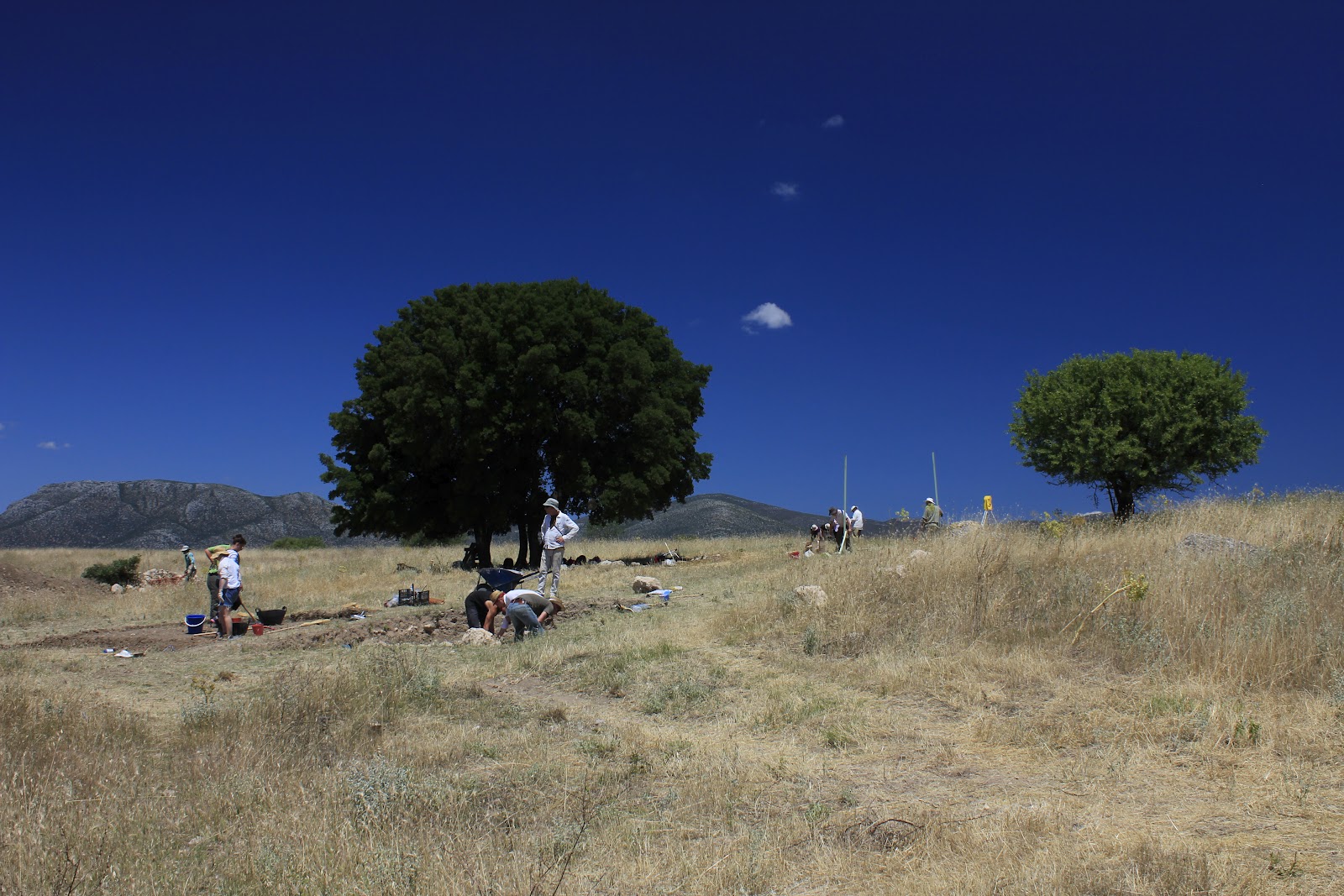
Taking points at Eleon.


MMacD picking.


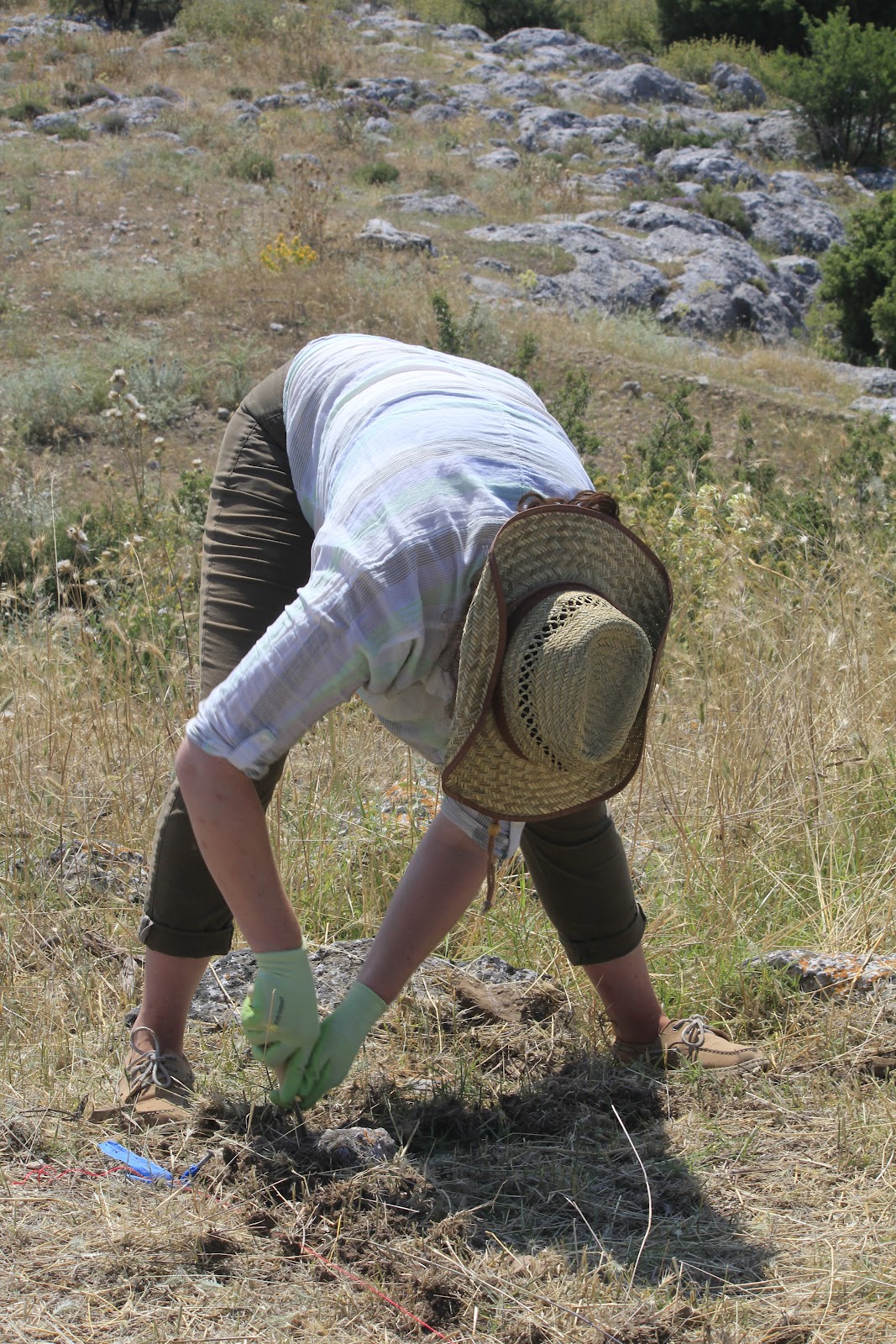
Too hot for gloves.


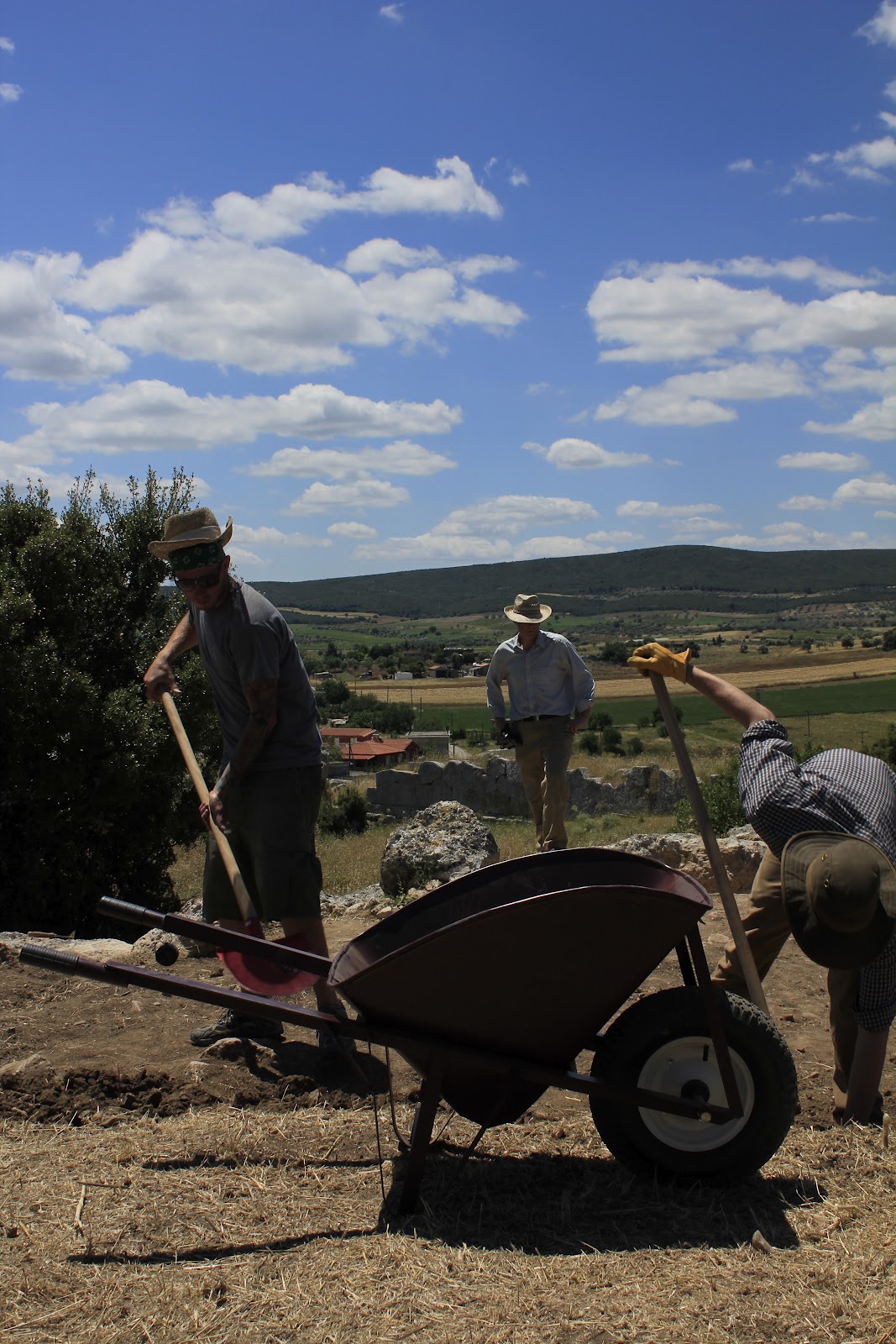
Karotzi


MN – wall master.


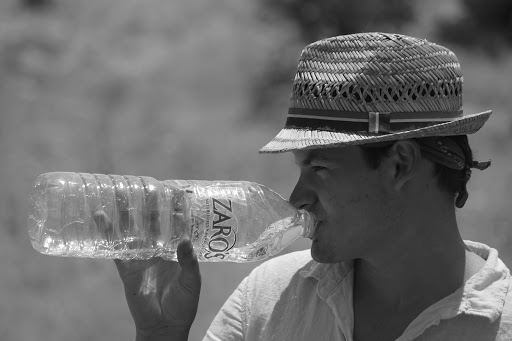
TVD advertising for Zaros water.


EM showing us how to do flotation.


Everyone doing flotation.

Educational Holiday

by Max MacDonald
After three weeks of excavating at Eleon a break was sorely needed… I mean that in the best way possible. We were all given a three-day long weekend in order for us to recover our strength and maybe see more of Greece while Brendan and Bryan went to Athens to speak about the well preserved lesbian polygonal wall, which is a type of wall design in which all of the large stone blocks are cut into polygonal shapes and fit tightly together.  Nearly half of us decided to use these three days to travel to Nauplion, the former capital of Greece, in order to rest and explore the Argolid. The Argolid is located on the eastern edge of the Peloponnese contains many ancient Mycenaean sites including Mycenae, Tiryns and Argos.  Nauplion is an awesome town, right on the water and below a Venetian castle situated on top a rocky mountain.
 The first morning we awoke after a long, much needed sleep and drove to Mycenae.  We explored the citadel and were able to appreciate some aspects of the site that we might not have understood had we not experienced them digging at Eleon.  We spent a long time admiring the restoration of the site as well as some of the smaller buildings and walls that looked very familiar.  The museum at Mycenae was really exciting; we immediately picked out vessels on display that looked similar to pieces we had found in the field.  For the most part we stared at the displays and made wish lists in our heads for the next three weeks.  It was interesting to be able to put what we’ve been excavating into context, suddenly an “LHIIIb rim” made so much more sense.
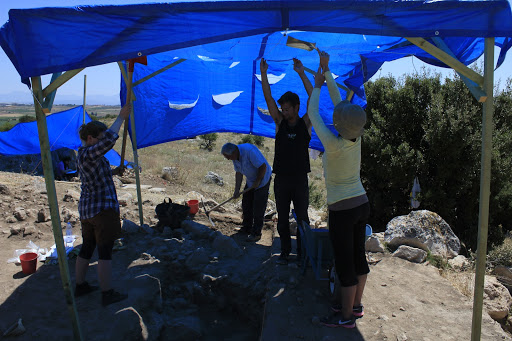
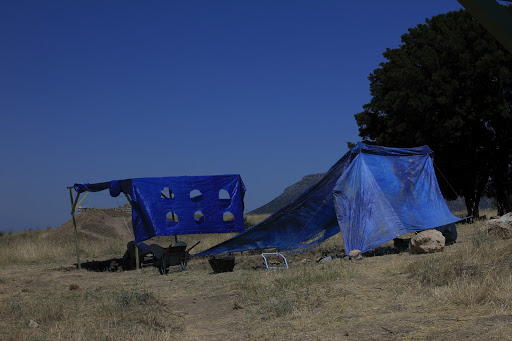
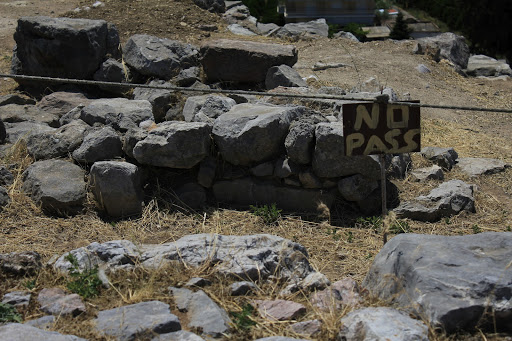
The citadel of Tiryns was next on our itinerary; with its high Cyclopean walls, it was definitely an impressive site.  While there is not much left in terms of architecture we were still able to easily spot the outline of the Mycenaean palace and the post Mycenaean Building T that was built inside the palace using two of its walls.  What we admired most about Tiryns however was its archaeological team’s excellently constructed, high quality, expensive looking sunshade.  Eleon has its own sunshades to protect us from the heat (my God the heat!), which were built by our good friend Win with a limited amount of supplies, and well they do an excellent job shading us, we just couldn’t help feeling jealous.
We had a similar experience with the Nauplion museum, which houses many of the finds from Tiryns, as at Mycenae.  We spent the entire time making wish lists in our heads or comparing our pottery and the museum’s.  The really interesting part about both museums was the old photos on the wall taken from the first half of the 20thcentury or earlier.  Comparing the difference in methods from then and now was fascinating. One photo that really stood out was at Mycenae, it was taken in the Lion Tholos Tomb and pictured archaeologist bringing in meat on a spit to cook over a fire they had built. It made me try to think of a scenario in which we could convince Bryan and Brendan to let us have a cook out inside the Frankish tower at Eleon.
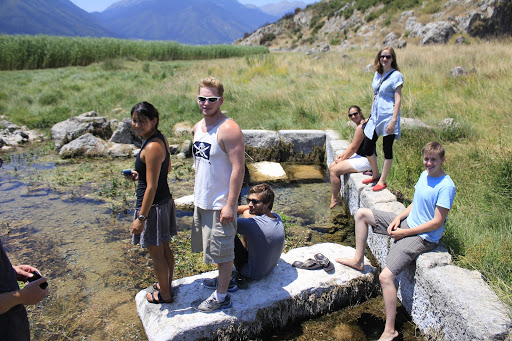
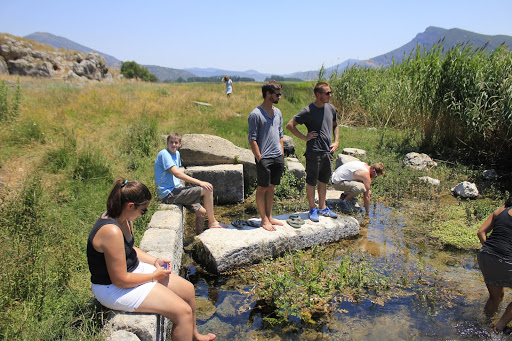
            Our last stop before heading home was at one of Gen’s first dig sites, Stymfalia.  Gen was able to show us around the site a bit and explained that she had worked in an area known as the fountain room, which was fed by an underground spring that still existed.  We stuck our feet into the ice-cold water with a sigh of relief from the intense afternoon heat.  Gen hadn’t been to Stymfalia for nearly ten years, which makes me excited to see Eleon in the future, with its highwalls, imposing palace and gigantic museum.

Photographic Evidence Part 1

by Genevieve Hill

It’s been a busy four weeks here. So busy that we haven’t blogged nearly so much as we should have. In honour of the end of the fourth week I have decided to post some photos that will give you a good idea of the kind of work we’ve been doing. Of course, none of the photos can capture the heat, the dust, the humidity of our site, nor can you feel the mosquitoes or the burns (which are thankfully few). I can’t show you any specifics – you’ll have to wait for the publication. For now, feast your eyes on the 2012 EBAP team and their labours.

KS cleaning last year’s trench


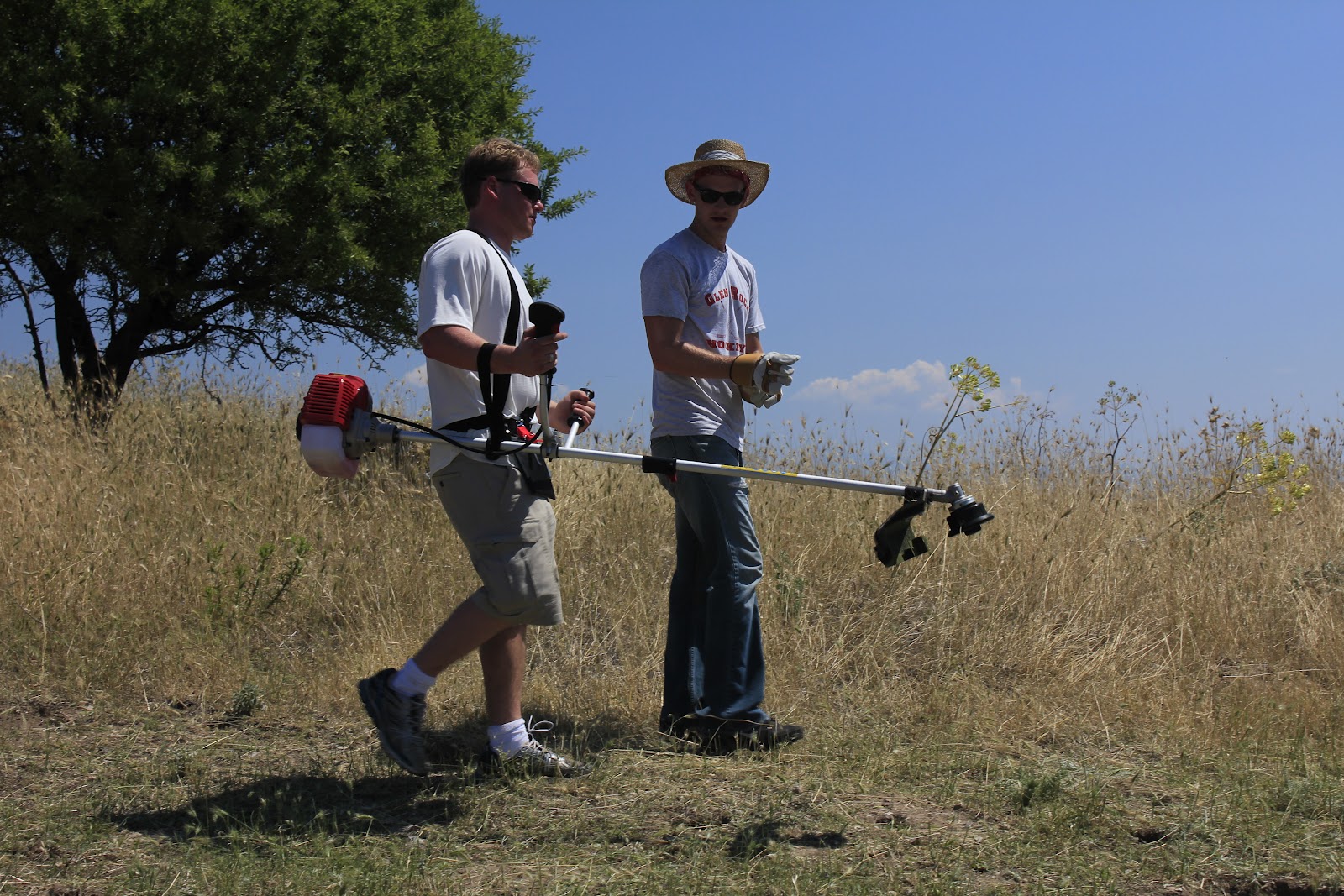
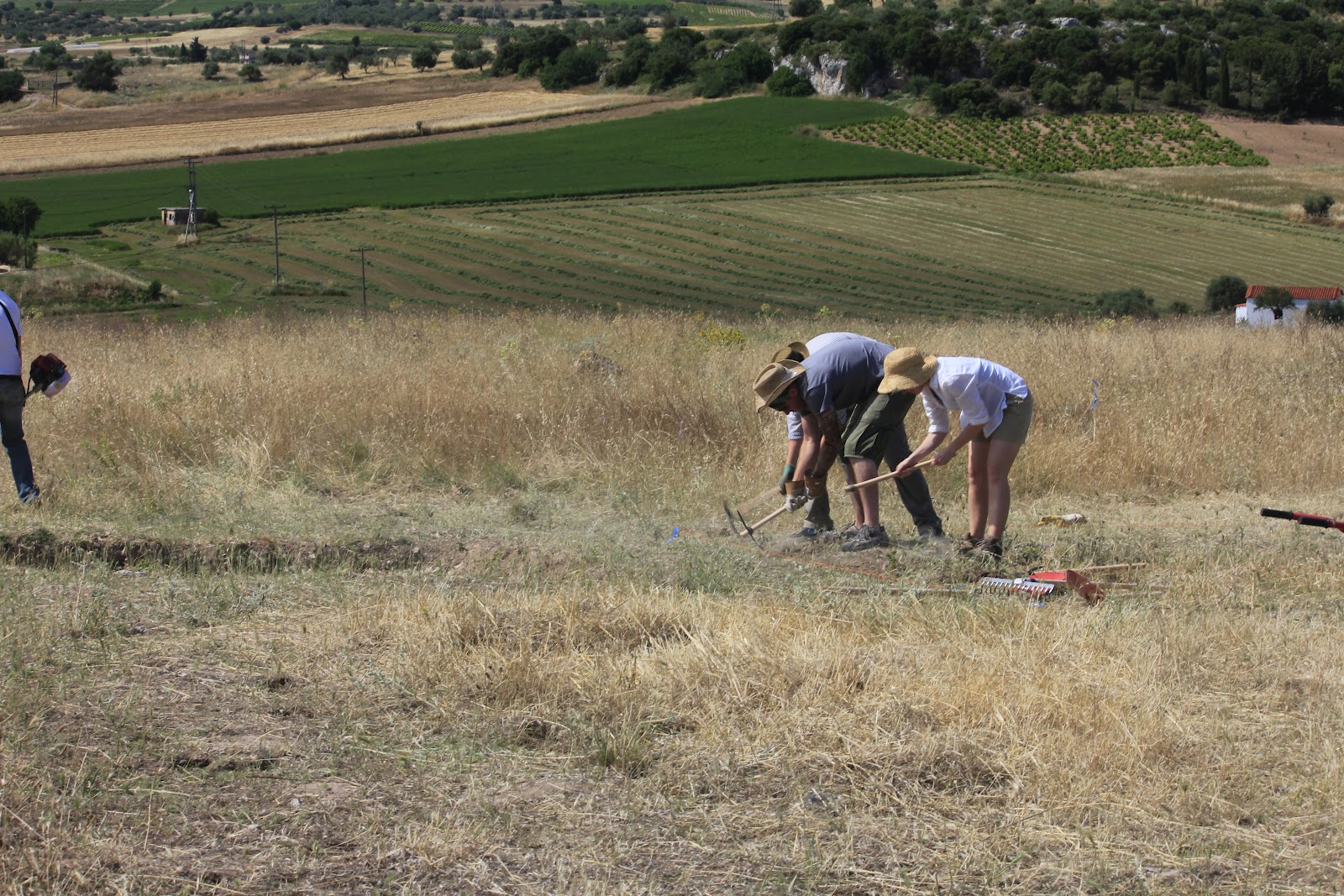
JB and MP clearing the site. Last year this was a scythe.


LT supplementing snack.


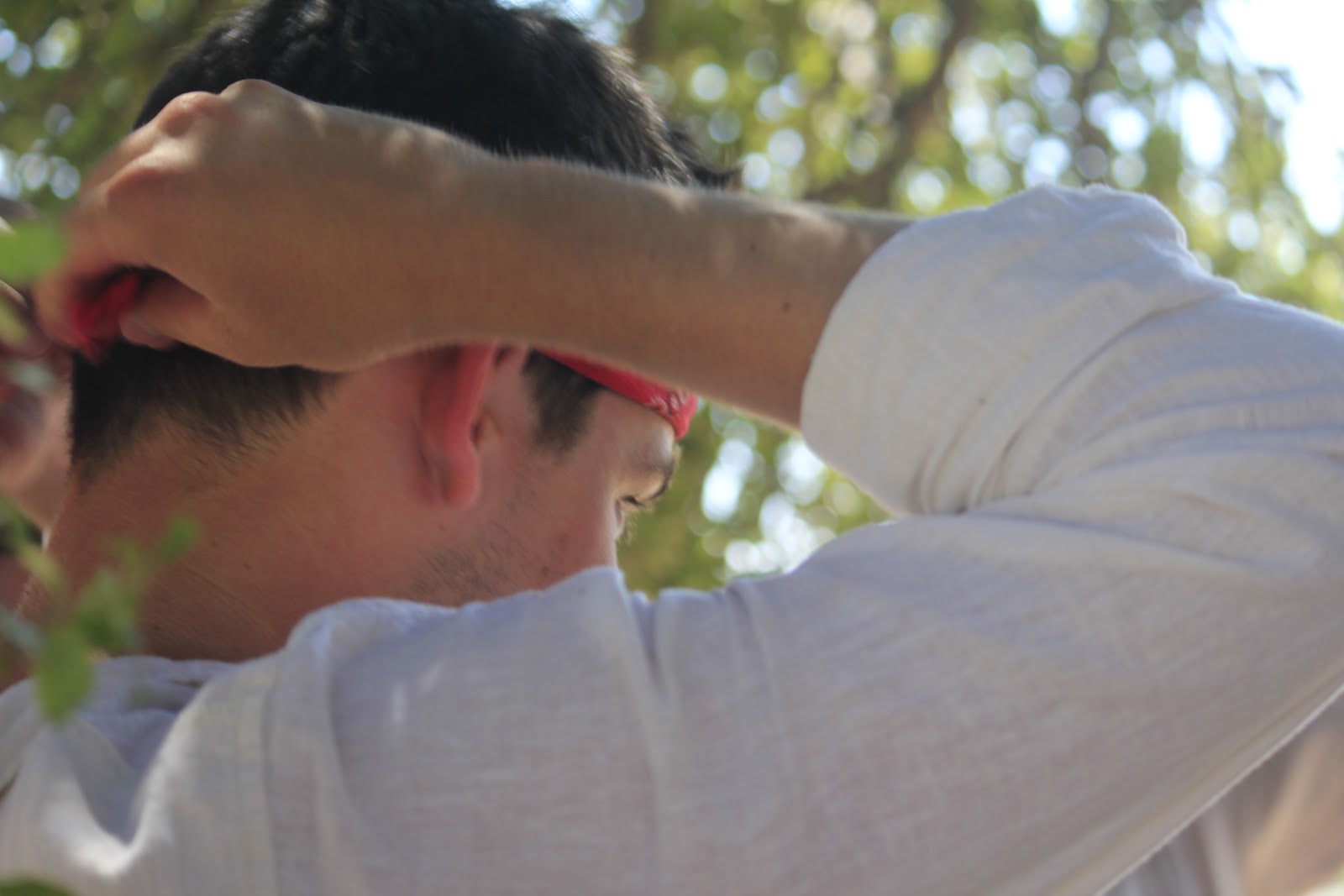
TVD – the bandana binder.


SB oversees the clearing.


Clearing…


Removing topsoil near the wall.


South view


View to the NW. Our only shade.


TVD keeping records like a boss.


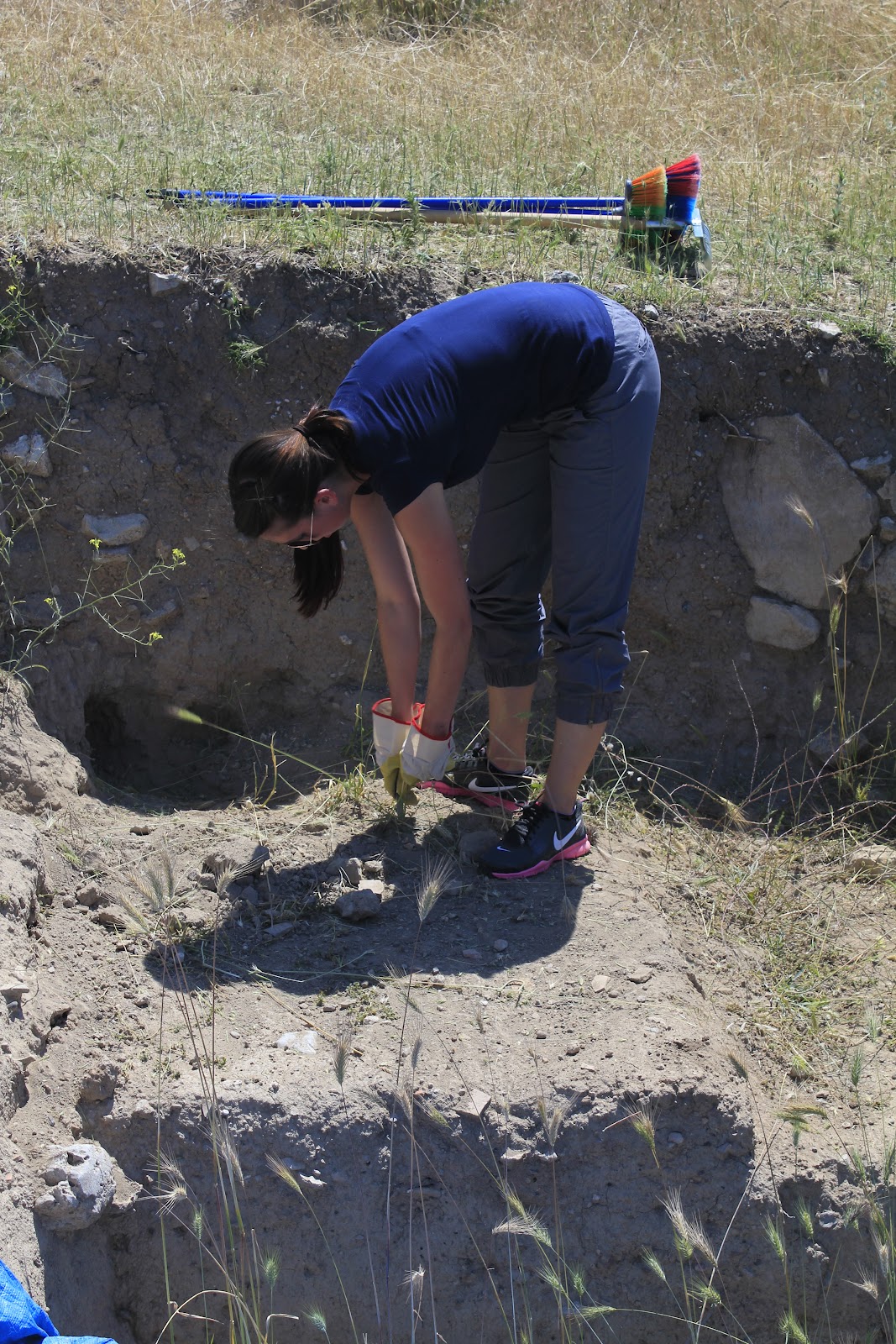
SB clearing. Nobody can escape weed pulling.
RBB at break.


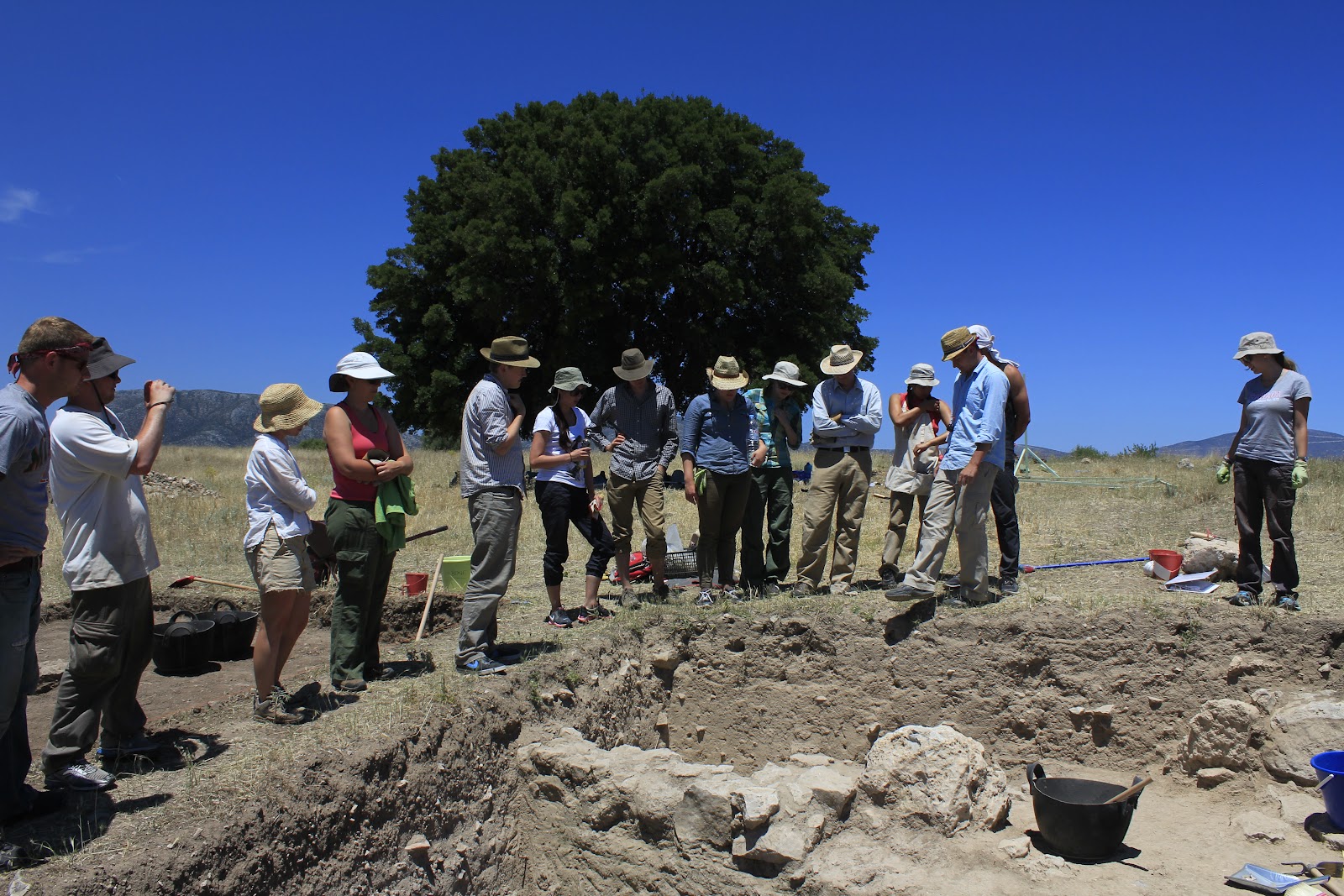
Trench tours.


Our weapons.

"Nikos- rest. One minute."

by Nick Falzon
Kalispera. I would like to begin my first blog post by quoting my fellow UVic excavator Max Macdonald: “It’s nearly one week into my first archaeological dig and I still haven’t needed my whip or six shooter AND Angelina Jolie is nowhere to be found.”  While Max and I are naturally distraught that Angelina has yet to make an appearance at ancient Eleon, I can safely say that excavating has been an enriching experience for all involved.  So far I have worked in three trenches, gained some know-how with basic archaeological tools, and learned a bit about the methodology of excavating.  I have also had the pleasure of working with Vangelis, the senior half of our père et fils team of Greek workmen.  You will no doubt hear more about Vangelis and all of his Greek wisdom from my trench-mate, Sam Bartlett.  Though, I will tell you that the most common phrase he directs at me is, “Nikos- rest. One minute.” He and his son Angelos have been a very welcome addition to the EBAP team! Through the first couple weeks of the EBAP field school we have learned so much: to take points and elevations, to properly wield trowels, pickaxes, and hoes, to hydrate and avoid the full wrath of the sun, and to identify pottery sherds (with varying degrees of accuracy).  Most importantly though, we all know that if you have been bitten by a snake, you should keep calm and promptly remove your pants.